Colon Cancer: AI in Patient Care
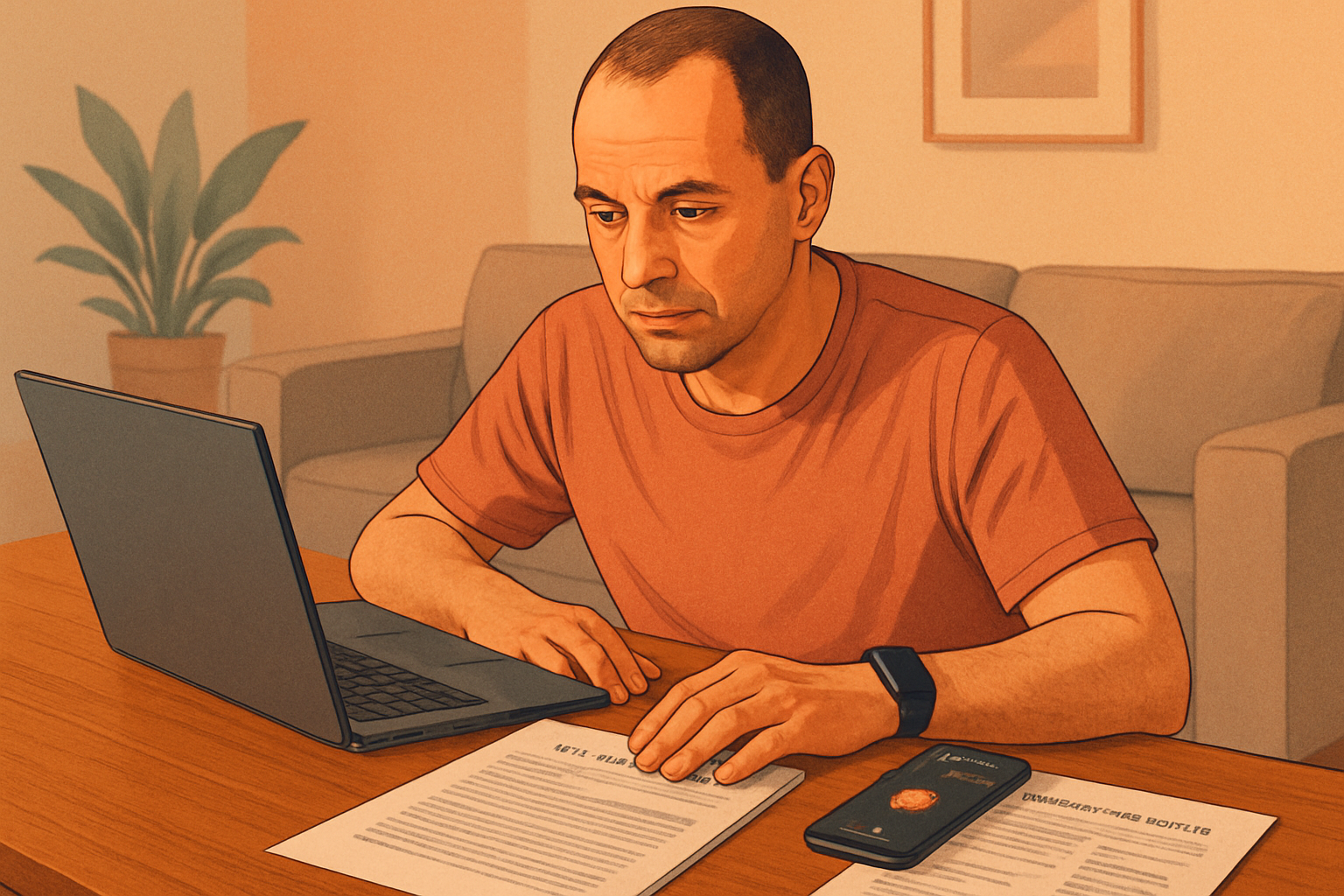
Diagnosed with stage 4 colon cancer, Russ Read-Barrow relies on AI tools to better navigate his treatments. From summarizing his medical history to researching his records and identifying patterns of side effects, he describes tangible benefits while acknowledging the risks of sharing sensitive information.
500-Word Summaries for Practitioners and Providers
With each new gym membership, massage appointment, or consultation, he is asked for a detailed medical history. To avoid a long and tedious narrative, he asks Gemini Notebook to condense his journey into 500 words, which he then shares. He admits that sharing so much data with AI platforms can be uncomfortable, but he believes the benefits outweigh the risks. He considers himself terminally ill and embraces this choice, summarizing his stance with, "What’s the worst that could happen?"
Centralized Records in Gemini Notebook
Russ Read-Barrow has uploaded all his medical records into Gemini Notebook, formerly known as Notebook LM. The tool is designed to answer questions, identify trends, and generate content from the files provided by the user. He uses it as a centralized hub to access results, doctor notes, and other data within seconds. He claims it saves him from having to search through his records at every specialist appointment.
Claude and WHOOP to Track Chemotherapy Cycles
After his treatments, he experiences fatigue, nausea, and fluctuations in mood and sleep, stating that managing his energy windows is the most challenging aspect. He records a 30-second voice note each day and wears a WHOOP tracker, a protocol he has followed for three cycles, then integrates this information into Claude to detect patterns. He believes this approach is beneficial. The collected data revealed that he reaches a state of exhaustion about four days after each treatment. He also uses AI to create a list of ten reminders before each new cycle, including the effectiveness of an anti-nausea medication he had tested. He feels that without a record, these details would be forgotten within a few months.
Le brief IA que les pros lisent chaque soir
Les 7 actus IA du jour, décryptées en 5 min. Gratuit.
Inclus dès l'inscription : notre sélection des meilleurs guides & comparatifs IA.
Choisissez votre rythme
Gratuit · Pas de spam · Désabonnement en 1 clic
A Heavy Medical Journey Stabilized Since 2022
Russ Read-Barrow has undergone multiple cycles of chemotherapy, as well as surgeries to remove cancerous cells from his colon, liver, and lungs. Since 2022, doctors have managed to stabilize the disease. However, he continues to undergo regular treatments approximately every three months, aiming to slow cell division and prevent further progression in the lungs and liver. He notes that the current protocol helps contain the disease, while anticipating that it will need to be adjusted in the future.
From Diagnosis to Personal Initiative Around AI
This father of two was diagnosed with stage 4 colon cancer in 2021 after noticing blood in his stool six times over a few weeks and undergoing a colonoscopy. He has gradually explored ways to use AI to manage symptoms, medications, and emotional aspects. In 2025, he launched his blog FcancerwithAI to share his story and the tools he developed. He clarifies that AI cannot cure cancer, but it can assist in remembering advice, identifying patterns of side effects, and regaining a sense of control, all while hoping that his testimony will benefit others. Meanwhile, the incidence of colon cancer among those under 50 has increased since the mid-1990s, with this disease being considered the deadliest for this age group. When cancer is detected early, survival rates are high, and an increasing number of people are living with the disease as if it were a chronic condition.
Brief IA — L'actualité IA en français
L'essentiel de l'actualité de l'intelligence artificielle, décrypté et expliqué chaque jour.