Mississippi: AI Writes Briefs, Trial Canceled
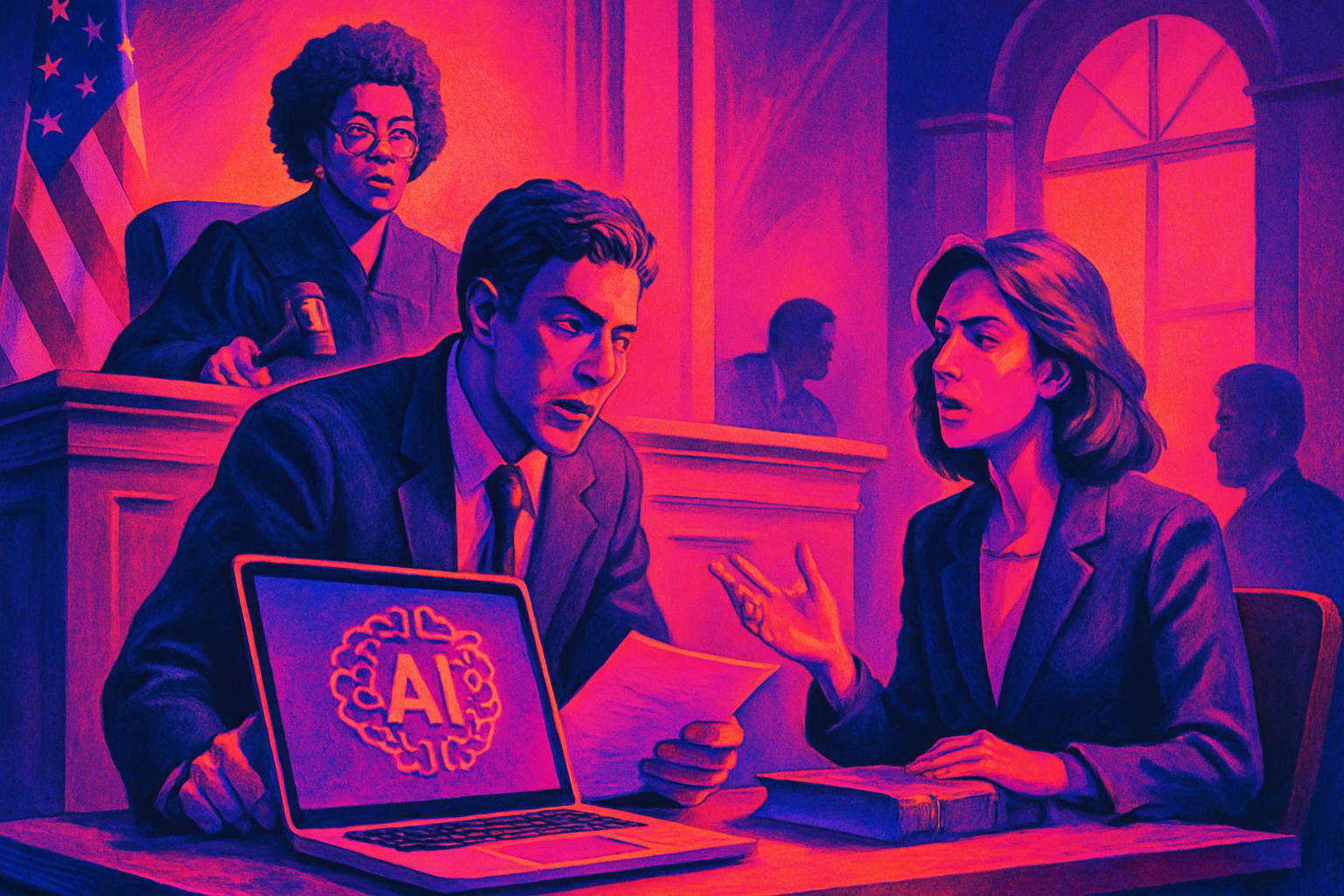
AI at the Heart of a Judicial Scandal
The use of artificial intelligence in the legal field has recently led to an embarrassing situation for several lawyers in the United States. These legal professionals entrusted AI with drafting legal documents without bothering to verify the generated content. This negligence resulted in severe consequences, including the cancellation of a court proceeding by a federal judge in Mississippi.
A First in the Legal World
Since the emergence of technologies like ChatGPT, American courts have been faced with an increasing number of documents drafted by artificial intelligences. These documents are often riddled with errors, fictitious references, or non-existent legal citations. While this phenomenon is common among individuals representing themselves, it is exceptional to see it among experienced lawyers. In this case, attorney Tom Withers was opposing the city of Aberdeen, claiming unpaid fees. To support his case, he hired two lawyers to prepare the necessary documents, but they resorted to AI without verification.
Shared Negligence
Court documents reveal that Withers' lawyers admitted to using AI for part of their work without verifying the information before submitting it to the court. There was total surprise when the lawyers for the city of Aberdeen were also found at fault for using AI tools without oversight. Both parties presented briefs containing automatically generated elements, without serious verification. In light of this situation, Judge Sharion Aycock of the Northern District of Mississippi expressed her discontent. She suspended the proceedings, canceled the trial, and sanctioned the four lawyers involved.
Le brief IA que les pros lisent chaque soir
Les 7 actus IA du jour, décryptées en 5 min. Gratuit.
Inclus dès l'inscription : notre sélection des meilleurs guides & comparatifs IA.
Choisissez votre rythme
Gratuit · Pas de spam · Désabonnement en 1 clic
Consequences and Sanctions
Two lawyers, one from each side, acknowledged using AI to draft legal documents. As a result, they were banned from practicing before the court for two years. The fines imposed range from $1,000 to $3,500, depending on the degree of responsibility and the errors committed. This case highlights the risks associated with the uncontrolled use of AI in the legal field.
The Dangers of AI in Justice
Judge Aycock emphasized the exceptional nature of this case, where both parties were sanctioned for similar behaviors. She referred to what she calls "AI-related delusions," expressing her frustration at the increasing number of such incidents. The problem extends beyond this single trial, as American judges must now be extremely vigilant to prevent fictitious references generated by AI from infiltrating court records. An invented citation may seem innocuous, but it can compromise the integrity of judicial decisions if not detected in time.
An Expanding Phenomenon
Legal expert Damien Charlotin is closely monitoring this evolution and has documented 1,598 cases where legal documents contain references created by artificial intelligence. This case serves as a reminder of an essential rule: artificial intelligence can be a valuable tool for information research or drafting outlines, but it should never replace human verification. When even experienced lawyers neglect this crucial step, it is not only their credibility at stake, but sometimes the entire trial can be compromised by a simple judicial decision.
Brief IA — L'actualité IA en français
L'essentiel de l'actualité de l'intelligence artificielle, décrypté et expliqué chaque jour.