ChatGPT Cuts Access to Two Russian and Iranian Disinformation Networks
Le brief IA que les pros lisent chaque soir
Les 7 actus IA du jour, décryptées en 5 min. Gratuit.
Inclus dès l'inscription : notre sélection des meilleurs guides & comparatifs IA.
Choisis ton rythme
Gratuit · Pas de spam · Désabonnement en 1 clic
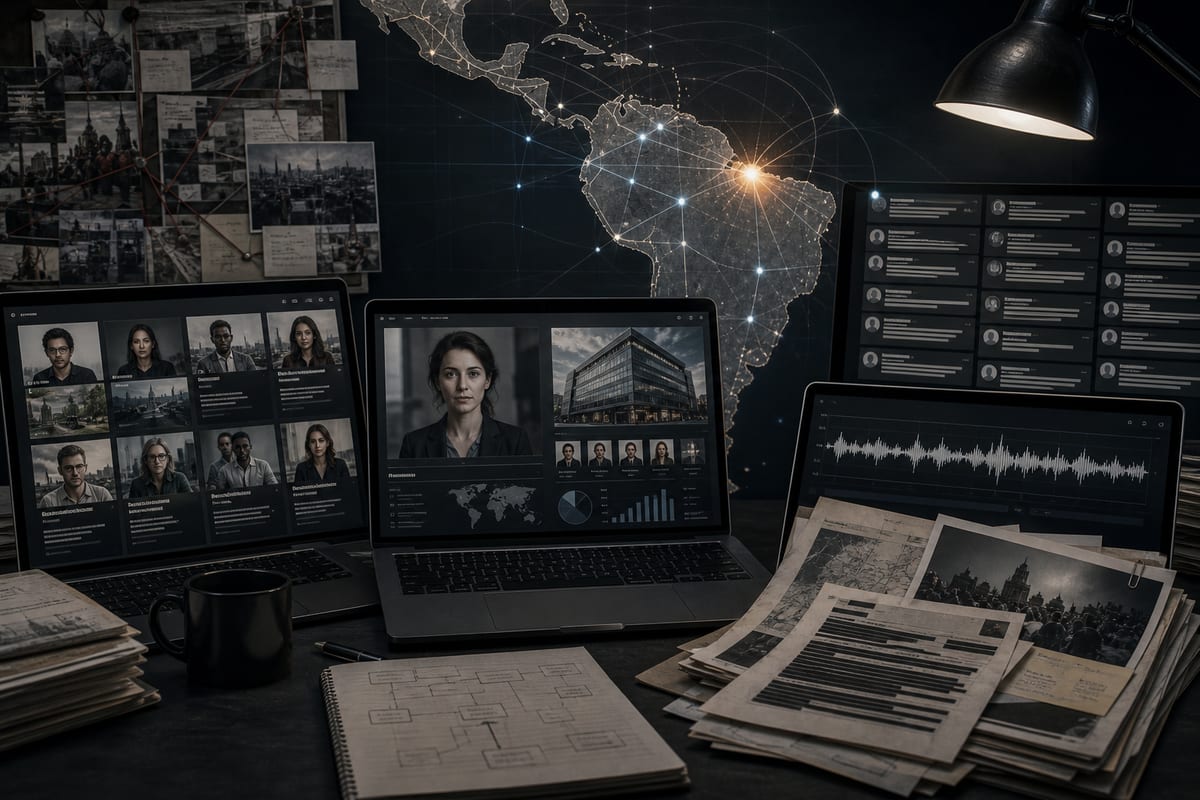
The service behind ChatGPT claims to have cut off access to two elaborate influence operations, one linked to Russia and the other to Iran. The teams describe fake journalists, a think tank in Latin America, and extensive use of AI for internal reports, with an unprecedented level of breakthrough for the Russian operation.
A Russian Operation Rated Category 5 and Content Published in the Press
The operator of the models rates the Russian-origin operation as Category 5 on the IO Breakout Scale, from 1 to 6, and indicates that this is the first operation of this level it has disrupted since it began its reporting. The Iranian operation is credited with Category 4. Both campaigns managed to have some of their output published in mainstream media, beyond social networks. Of the 30 clandestine operations exposed over two and a half years, those targeting established media tend to achieve the highest reach and impact. Open-source clues further suggest that disinformation from the Russian operation circulated to the point of triggering fact-checks and official denials, and a narrative attributed to Peru reportedly fueled public tensions between Ukraine and Poland.
What AI Enabled and How Operators Used It
In both cases, AI primarily served to draft internal reports, with a particularly marked reliance on the Russian side, and methods presented as dubious to inflate effectiveness. The operations resembled influence devices from before the AI era, which the models have made easier to operate. AI provides scale, efficiency, linguistic ease, and editorial capability, paving the way for the exploitation of unwitting intermediaries such as employees or writers, and for dissemination to audiences unaware of the true sponsors. These campaigns illustrate the sophistication of identities and front entities. The actor emphasizes that understanding the vulnerabilities exploited is essential for maintaining robust organizational defenses. However, the clandestine nature makes these setups fragile in the face of responsible disclosure; precedents like Alice Donovan and PeaceData ceased after exposure, and the reports aim to facilitate further research and disruption.
Russian Case "Dark Clark": Blocked Accounts, SRC, and Local Relays
A group of ChatGPT accounts originating from Russia has been banned. The users targeted countries in Latin America, with a volume of activity against Ukraine's reputation and attempts at political influence, particularly in Argentina and Bolivia. Most operated in Russian, with one in Spanish while appearing localized in Russia. Information has been shared with relevant authorities. The tasks assigned to the models ranged from drafting internal reports to producing content, including performance tracking of a self-proclaimed research platform, the Social Research Center (SRC). The operators appeared to control the SRC through the fictitious identity Mia Clark, hence the nickname Dark Clark, and used VPNs in the absence of authorized access from Russia.
Internal Reports, Political Science, and Targets in Latin America
The internal reports produced using ChatGPT detailed campaigns conducted across Latin America, focusing on three axes: discrediting Ukraine and recruiting its armed forces, interfering in domestic politics particularly in Bolivia and Argentina, and managing the SRC. In most cases, the models served to document rather than generate campaign content. The documents described tactics against Ukraine and national leaders, including the presidents of Argentina, Bolivia, and Ecuador, attempts to deceive locals for actionable activities, and fake "leaked" dossiers claimed. Some disinformation has been linked in open sources to Politologie or La Compania, presented as successors to the Wagner Group founded by Evgeny Prigozhin. The operators frequently requested translations or explanations of public reports on Politologie and Wagner.
Unprecedented Operational Reach and Management of a Front Think Tank
The operation seems to have unwittingly recruited individuals in Latin America to work for the SRC. Decisions on salaries, hiring, and firing are included in the reports, suggesting control of the entity. The employees involved reportedly did not know they were collaborating with a Russian group. Unlike another Russia-linked think tank, the SRC reportedly produced a majority of original content thanks to these recruits, making it the most complex front attempt disrupted by the actor in two and a half years. Public indications suggest that some disinformation had sufficient dissemination to trigger verifications and official denials.
Iranian Case: Seven Fake Journalists and Coordinated Comments
On the Iranian side, seven profiles of "journalists" were used to approach small and medium-sized online publications in several countries, producing long articles and batches of comments on themes related to the USA-Iran conflict. The approach recalls known precedents like Alice Donovan. This operation has been rated Category 4 and also succeeded in having some of its content published in mainstream media.
Claimed Examples: Argentina, Peru, and Reported Effects
Russian operators reported two actions in 2024 against Argentine President Javier Milei: a fake story about Cartier collars for his dogs and the payment of local actors for anti-Milei graffiti in Buenos Aires. Leaked documents publicly attribute these actions to Politologie and La Compania. Other claimed disinformation had not previously been linked to Russian IOs. In May 2026, they say they created a fake email address claiming to be from the Regional Directorate of Education of Lima to order events dedicated to Ukraine on May 21, with explicit instructions to notably cite Stepan Bandera.
Brief IA — L'actualité IA en français
L'essentiel de l'actualité de l'intelligence artificielle, décrypté et expliqué chaque jour.