China Bans Altana, Wayfair Keeps AI for Compliance
Le brief IA que les pros lisent chaque soir
Les 7 actus IA du jour, décryptées en 5 min. Gratuit.
Inclus dès l'inscription : notre sélection des meilleurs guides & comparatifs IA.
Choisis ton rythme
Gratuit · Pas de spam · Désabonnement en 1 clic
Most of the signals detected at Wayfair by Altana's mapping AI require human review before any decisions are made. At the same time, the Chinese Ministry of Commerce banned Altana on August 5, following U.S. import bans targeting dozens of Chinese companies at the end of July 2026, a measure that could complicate access to certain data needed by its clients. Wayfair claims to remain committed to using technology to understand its supply chain.
At Wayfair, the majority of alerts are false positives being processed
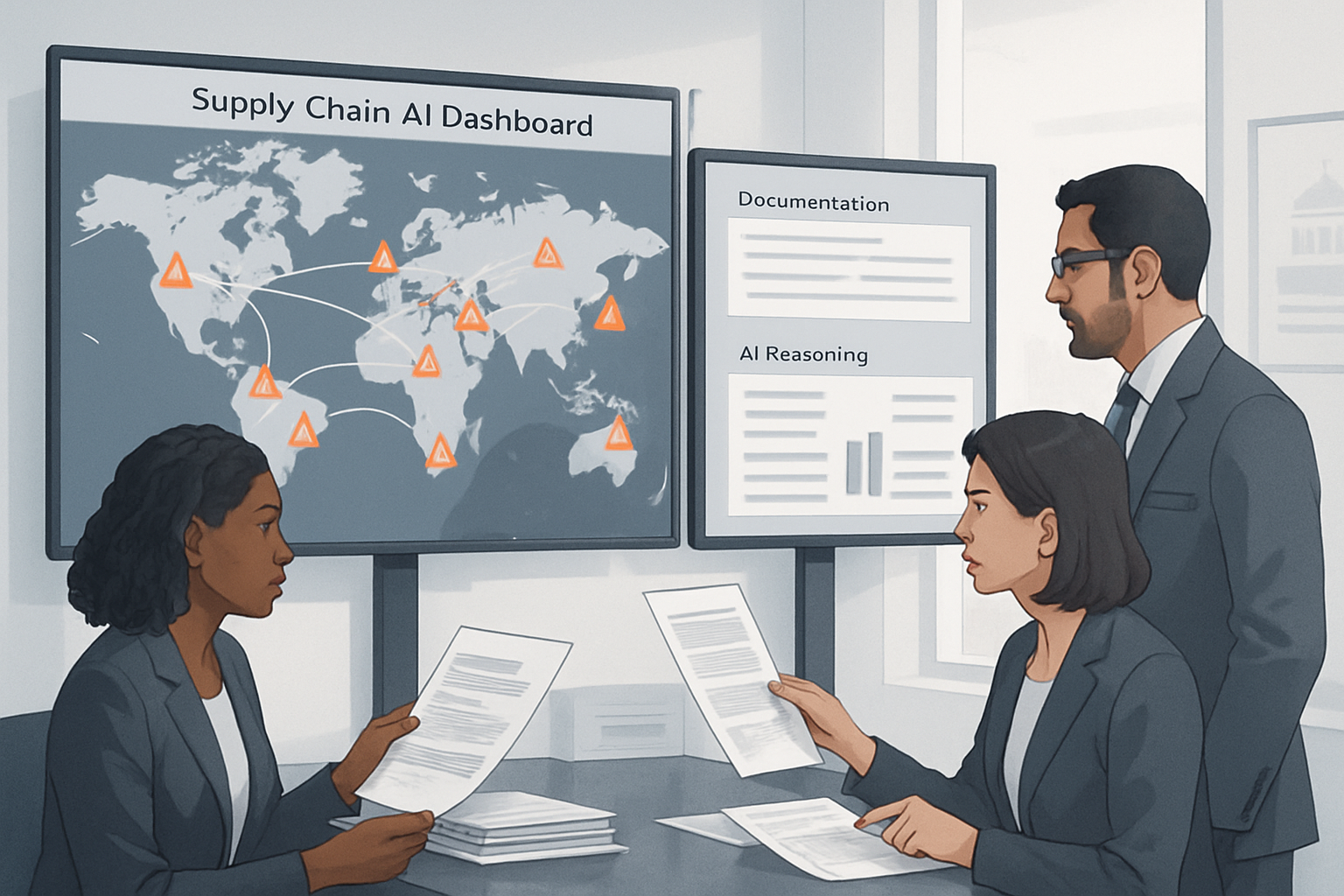
Automated detection primarily triggers false positives at Wayfair. The compliance team then confirms business names and their spellings, checks supplier regions, and contacts them for additional information. The results feed into the platform, where alerts are subsequently updated. Employees have access to the AI's reasoning and the underlying documentation, which constitutes the necessary evidence for any determination made. In the background, Altana operates with agentic AI flows to ingest and store large volumes of data, integrating references such as all decisions from U.S. Customs on product classification. Before this setup, Wayfair's diligence relied mostly on manual signals and self-reported information from suppliers.
Beijing bans Altana on August 5 and targets seven U.S. entities
The Chinese Ministry of Commerce has banned Altana from any business relationships with individuals or companies in China, a decision made on August 5. This follows U.S. import bans targeting dozens of Chinese companies at the end of July 2026. In total, China has targeted seven U.S. entities, including Responsible Business Alliance, Verité Group, Human Rights in China, Stratum Reservoir, and Applied DNA Sciences, which has been renamed BNB Plus Corp after pivoting to blockchain services related to cryptocurrencies. Altana collects and purchases data globally, including in China, and its listing on this ban could complicate access to certain data for its clients, including Wayfair. When asked, Altana did not comment on the impact of these measures, while Wayfair stated it remains determined to use technology to better understand its supply chain.
Wayfair has been expanding multi-level visibility with Altana for two years
Wayfair manages 40 million products from 20,000 suppliers worldwide and must ensure continuous visibility and cross-checks at multiple levels to comply with U.S. bans. Evan Friedler reminds us that the company cannot manage what it cannot see: reaching the first tier of the supply chain has historically been the easiest, with visibility often stopping there, leading to potential risks at the second or third tiers. With international expansion and increasing regulatory requirements, access to upper tiers has become crucial. About two years ago, Wayfair began working with Altana to go beyond the first tier with fewer manual checks. According to Friedler, the tool now enables proactive risk management. Wayfair collaborates with Altana's AI to enhance its compliance.
Altana details its platform, data sources, and safeguards
Evan Smith, co-founder and CEO of Altana, likens the platform to a "Google Maps" applied to the supply chain. The company uses both free public data and paid data, acquiring access rights to certain extracts from its clients' and users' datasets as they are processed. It refrains from disclosing confidential information such as prices or material lists. The data obtained enriches the global supply chain graph through a contributory network where everyone connects their data and users for shared visibility. At Wayfair, the tool is used for labor compliance and issues related to prohibited parties: Altana alerts when suppliers potentially match government lists, allowing the compliance team to investigate earlier than before. The software is designed to identify risks of forced labor and meet strict compliance standards, providing visibility and traceability across complex supply chains.
Brief IA — L'actualité IA en français
L'essentiel de l'actualité de l'intelligence artificielle, décrypté et expliqué chaque jour.