Citi and AI: Tim Ryan Bets on Humanity Over Surveillance
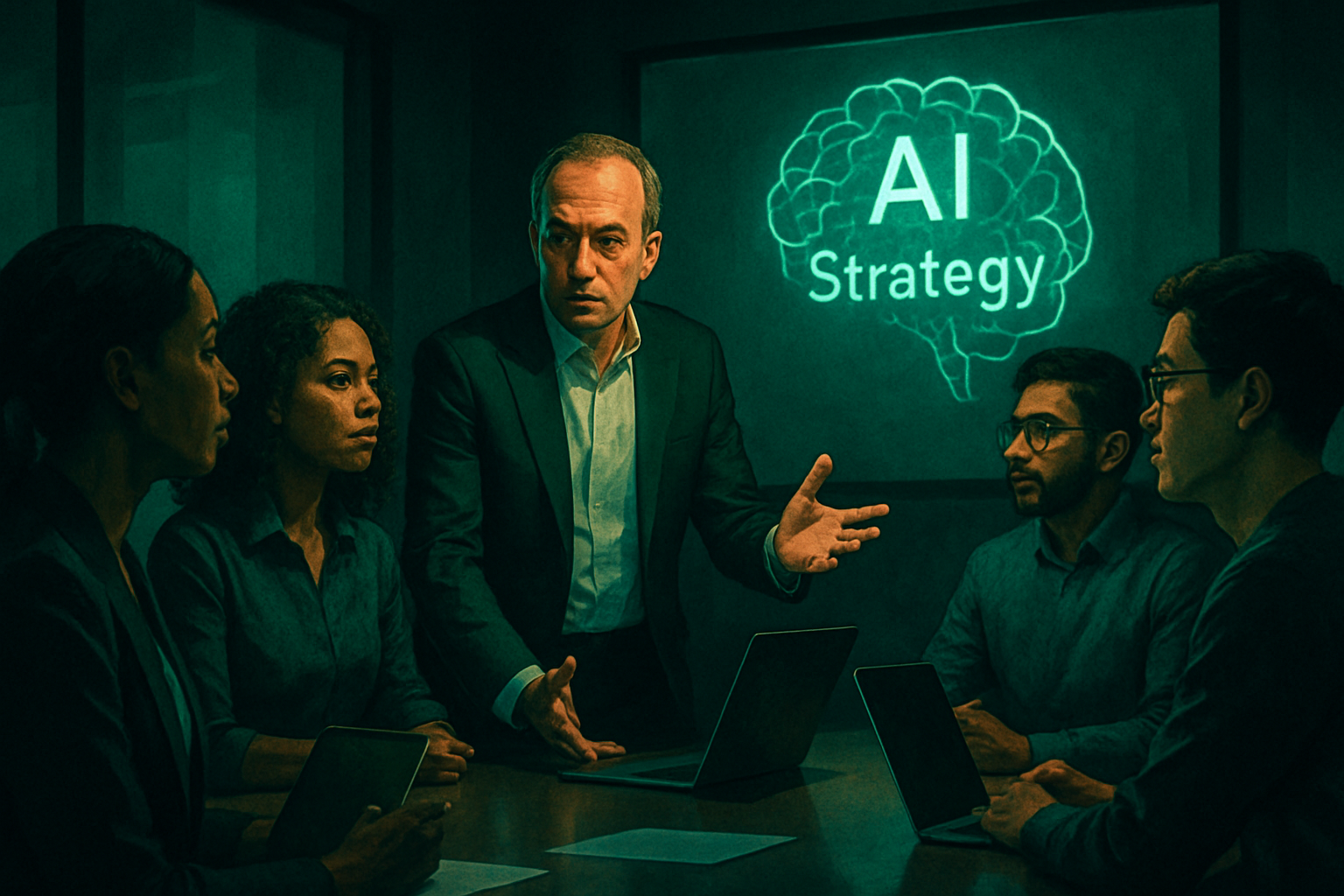
Tim Ryan and Citi's AI Strategy
Tim Ryan, who leads technology at Citi, recently outlined the company's artificial intelligence strategy in an interview with Business Insider. The primary goal of this strategy is to promote the use of AI without overly relying on cost measures or token consumption. At the same time, Ryan emphasizes reducing contractors in favor of permanent employees, amid a backdrop of the bank cutting its workforce.
During a second-quarter earnings call, Citi's CFO mentioned the efficiency gains related to AI, highlighting Tim Ryan as a key player in this transformation. Ryan is tasked with modernizing the bank, which needs to move beyond its legacy technologies and meet regulatory requirements, partly through AI. He manages a technology budget of nearly $12 billion and ensures that Citi's more than 220,000 employees effectively use AI tools.
Balancing Measurement and Innovation
For Ryan, the focus is not on tracking every AI token spent by employees, but rather on finding a balance between measurement and enthusiasm. "We quickly realized that it wasn't necessary to measure everything, as it stifles innovation. We need to focus on the big picture without trying to quantify every use, as that could demotivate employees by making them feel constantly monitored," he explained to Business Insider.
Ryan is convinced that success in AI does not solely depend on technological choices, but rather on how employees embrace these tools. "No one will say they succeeded because of a particular language model. The victory lies in the engagement of thousands of collaborators," he asserted.
AI Adoption at Citi
Citi has developed hundreds of AI use cases, and during the second-quarter earnings call, it was revealed that nearly 90% of employees were using AI tools. Ryan highlighted the 4,000-person peer-to-peer training program as an effective means of fostering this adoption. He also emphasized the importance of increased use of programming agents.
Le brief IA que les pros lisent chaque soir
Les 7 actus IA du jour, décryptées en 5 min. Gratuit.
Inclus dès l'inscription : notre sélection des meilleurs guides & comparatifs IA.
Choisis ton rythme
Gratuit · Pas de spam · Désabonnement en 1 clic
The Importance of Metrics
Unlike other major banks, Ryan does not believe that detailed tracking of AI usage by each employee is beneficial for technological development. For example, JPMorgan uses AI dashboards for engineers, and Goldman Sachs tracks team speed. Ryan believes this could give employees the feeling of being monitored. "I don't believe in a metrics-only approach. If you focus solely on numbers without pride, it's not sustainable. Similarly, if you rely only on pride without metrics, that's not viable either," he stated.
This does not mean that Citi ignores its spending. The discussion around token costs is increasingly prevalent across many sectors. Coinbase has implemented weekly price caps, and Walmart has limited the use of an internal tool. JPMorgan's CFO indicated that token spending would become a crucial issue. Ryan clarified that Citi measures "the big things" and encourages employees to use the least costly model that meets their needs, as "you don't need a Ferrari for certain tasks."
"We need to avoid disunity. That's not good leadership," he said. "We have well-established tools to track our spending, and every major initiative is tied to a return on investment."
Workforce Reduction and AI
Like the rest of the bank, Ryan is involved in reducing his team. By 2024, Citi plans to cut up to 20,000 jobs over three years as part of a broad transformation effort. During the second-quarter earnings call, it was noted that the bank's employee count had fallen to 219,000.
When asked about the relationship between workforce and AI, Ryan acknowledged the widespread fear among engineers across all sectors but did not explicitly link job cuts to technology. He stated that he is focused on reducing the number of contractors compared to permanent employees.
"What I can control is ensuring that we hire smartly, so we can grow sustainably and minimize layoffs under pressure," he said. "We have been incredibly transparent about this with our employees, and while it doesn't eliminate fear, it reduces it and helps people focus on what they can control."
Brief IA — L'actualité IA en français
L'essentiel de l'actualité de l'intelligence artificielle, décrypté et expliqué chaque jour.