Claude Code: Optimizing Sub-Agents for More Efficient AI
Le brief IA que les pros lisent chaque soir
Les 7 actus IA du jour, décryptées en 5 min. Gratuit.
Inclus dès l'inscription : notre sélection des meilleurs guides & comparatifs IA.
Choisis ton rythme
Gratuit · Pas de spam · Désabonnement en 1 clic
The Claude Code sub-agents are not limited to creating autonomous AI workers. When used correctly, they can significantly enhance the speed, cleanliness, safety, and predictability of your work routine.
Optimizing Sub-Agents: The Four Pillars
An effective sub-agent setup optimizes four crucial aspects:
- Context Utilization: Maximize efficiency by wisely using context.
- Token Costs: Reduce costs associated with token usage.
- Tool Security: Ensure the security of the tools used by sub-agents.
- Workflow Reliability: Guarantee a stable and predictable workflow.
Practical Tips for Better Optimization
The article offers 14 practical tips to help optimize AI agents in Claude Code. These tips are designed to enhance the efficiency and security of sub-agents.
Creating and Configuring Sub-Agents
Before diving into the tips, it is essential to understand what an agent is and how to create one in Claude Code. A sub-agent is essentially a Markdown file enriched with YAML metadata, where only the name and description are required.
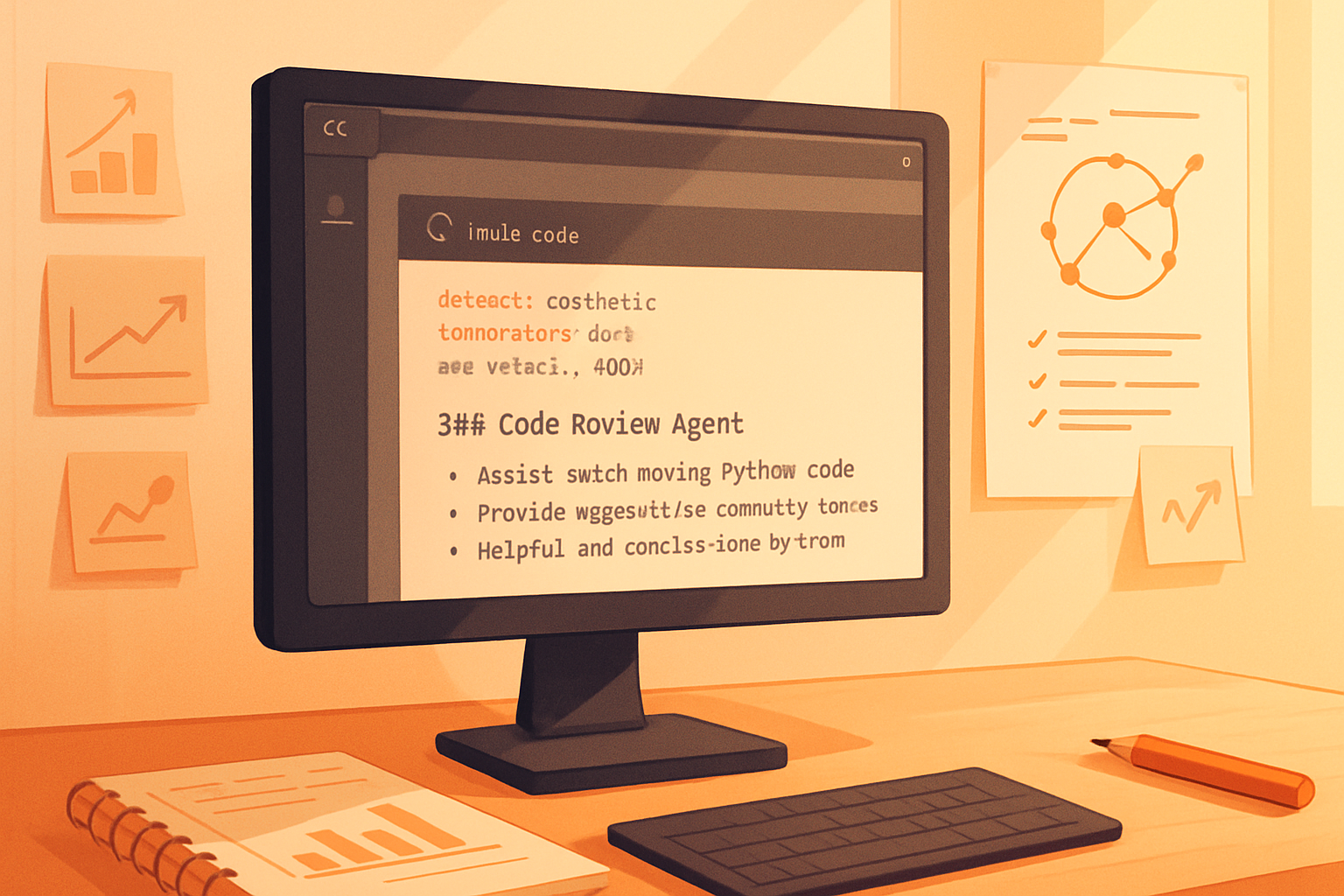
To illustrate how agents work in Claude Code, a custom code review agent example is used. This agent examines the source code according to specific criteria.
The quickest way to create a sub-agent is to use the built-in command /agents. This command provides a guided setup and can even generate the necessary prompt for you. It is also possible to define sub-agents online for a single session.
Brief IA — L'actualité IA en français
L'essentiel de l'actualité de l'intelligence artificielle, décrypté et expliqué chaque jour.