Claude Mythos: Trump's Secret Weapon Against Cyber Threats
Le brief IA que les pros lisent chaque soir
Les 7 actus IA du jour, décryptées en 5 min. Gratuit.
Inclus dès l'inscription : notre sélection des meilleurs guides & comparatifs IA.
Choisis ton rythme
Gratuit · Pas de spam · Désabonnement en 1 clic
Claude Mythos: An Unexpected Ally for the Trump Administration
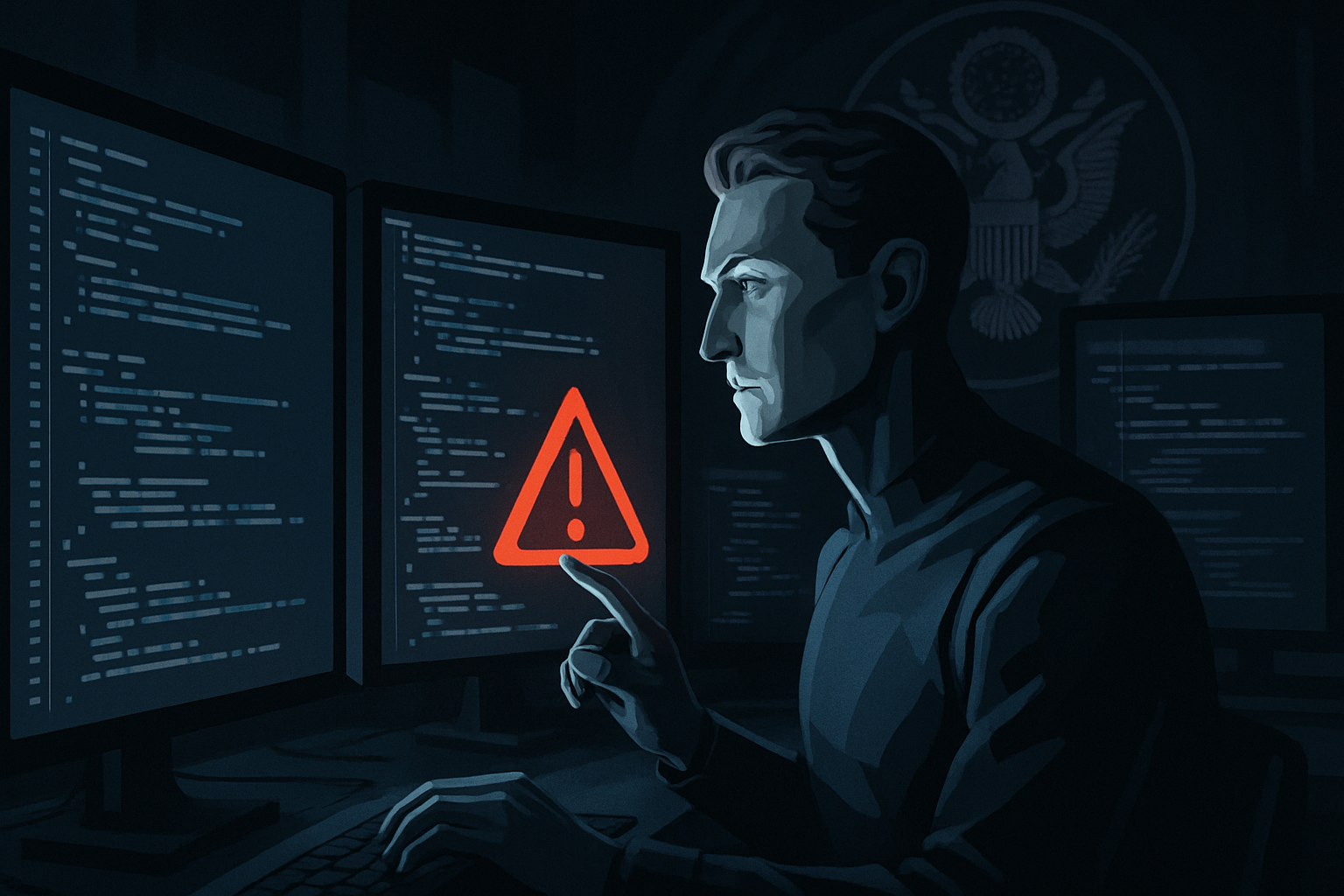
The Trump administration has recently made a strategic decision to rely on Claude Mythos, an artificial intelligence model developed by Anthropic, to enhance the security of its software. This decision may seem surprising, especially after the tensions that have characterized the relationship between Anthropic and Washington. However, the importance of the mission assigned to Claude Mythos cannot be underestimated. This model is tasked with scrutinizing the code of software used by the U.S. government to identify and correct potential vulnerabilities before they can be exploited by cybercriminals. This initiative raises a crucial question: Has Washington found in Mythos the ideal tool to protect its digital infrastructures?
CISA and Mythos: A Collaboration for Security
According to reports from Reuters, the Cybersecurity and Infrastructure Security Agency (CISA) has integrated Claude Mythos into its security operations. The primary goal is to scan the code repositories of various U.S. administrations. A specialized team focused on assessing attack surfaces uses this AI to automatically analyze software and detect potential flaws. This method allows for the identification of vulnerabilities before they can be exploited by cybercriminals or foreign intelligence services.
Traditionally, this type of analysis would require hundreds of hours of manual auditing. Thanks to Claude Mythos, part of this work is expedited, although human experts retain the final say. The AI does not replace analysts but acts as a quick and efficient assistant. The initial results, according to Reuters, are promising: Claude Mythos has already helped identify numerous vulnerabilities requiring patches.
The use of Mythos by the Trump administration reflects a broader trend where governments are seeking to automate complex technical tasks, particularly in cybersecurity, by leveraging advanced AI models.
A Context of Overcoming Tensions
The adoption of Claude Mythos by the Trump administration comes in a particular context. Last June, Washington had temporarily restricted the use of several models developed by Anthropic, including Mythos. This decision followed the discovery of a method to bypass certain built-in protections in the model.
In response, Anthropic had suspended global access to several versions of Claude to strengthen their security mechanisms. A few weeks later, the U.S. restrictions were lifted, allowing for broader use of the model.
Despite these tensions, some federal agencies, such as the NSA, had already begun testing Claude Mythos in controlled environments to analyze their IT infrastructures. CISA had also gained access to the model before the new usage rules were definitively established.
This contrast illustrates the current strategy of U.S. authorities: on one hand, they seek to regulate powerful AI models, and on the other hand, they do not hesitate to integrate them when they offer a concrete advantage for the protection of their systems.
Brief IA — L'actualité IA en français
L'essentiel de l'actualité de l'intelligence artificielle, décrypté et expliqué chaque jour.