Cohere: Without Local AI, Dependence on the US and China
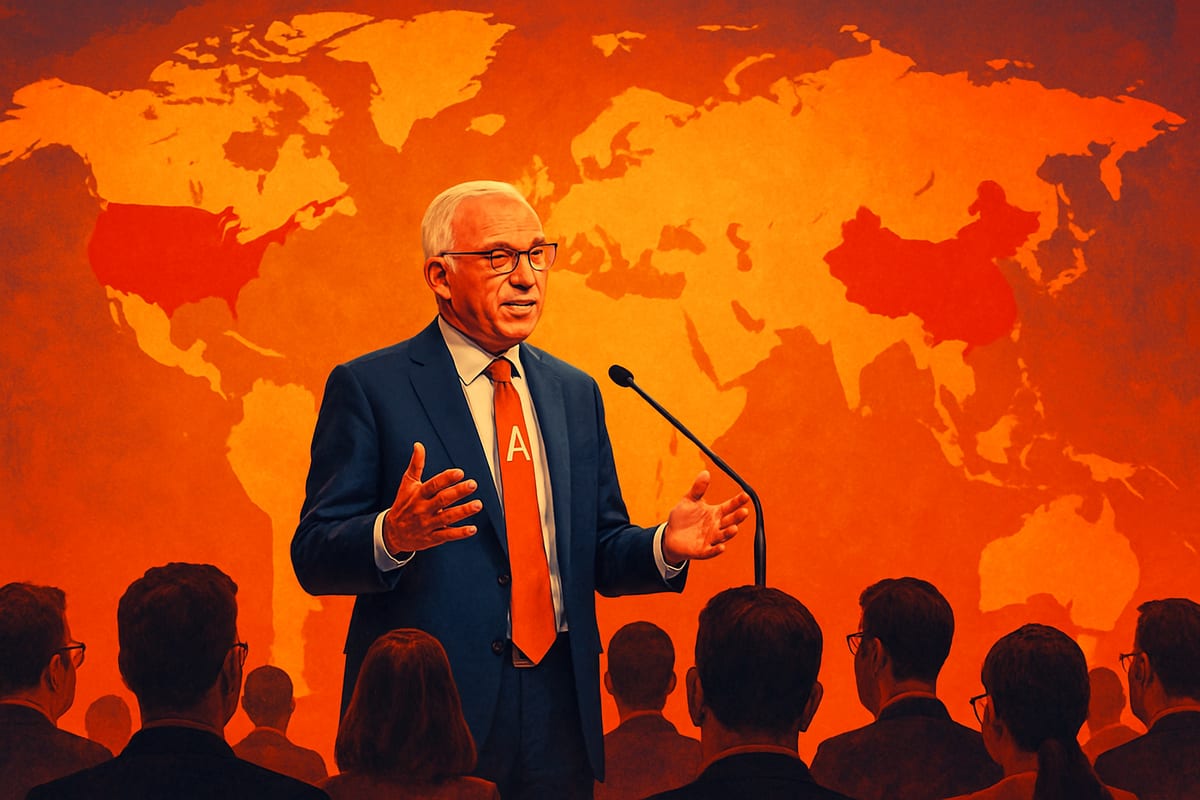
Cohere urges countries to build their own AI capabilities, warning against increased dependence on the United States and China. In a market dominated by these two powers and amid geopolitical tensions, technological sovereignty and competitiveness are at stake. Paths for cooperation or protection are emerging as public initiatives arise.
The U.S.–China Rivalry Influences Investment Decisions
The competition for technological dominance between the United States and China is a central factor in the development of artificial intelligence. Geopolitical tensions could impact investment choices and collaboration between countries. Establishing AI-friendly policies requires a long-term vision as well as significant financial commitment. Cohere's warnings have elicited varied reactions within technological and political circles.
Without Local Capabilities, Risks to Economy and Data
The lack of public funding for AI at the national level makes countries vulnerable to threats such as economic fragility and loss of control over sensitive data. National companies risk being disadvantaged against foreign offers, which typically have superior financial resources and a higher technological level. Conversely, establishing AI infrastructure within the territory would foster innovation, generate jobs, and strengthen the country's economy. These issues are linked to technological sovereignty and competitiveness in the global market.
Le brief IA que les pros lisent chaque soir
Les 7 actus IA du jour, décryptées en 5 min. Gratuit.
Inclus dès l'inscription : notre sélection des meilleurs guides & comparatifs IA.
Choisissez votre rythme
Gratuit · Pas de spam · Désabonnement en 1 clic
Cohere's Position: National Competitiveness and Security at Stake
Cohere's AI director has warned of the risk of dependence on the United States and China if countries do not develop their own artificial intelligence capabilities. Cohere emphasizes the need for national solutions, viewing local AI development as essential to competitiveness and national security. The company highlights that both powers exert significant influence over innovation and technological development.
A Concentrated Market and Still Heterogeneous Responses
The global artificial intelligence market is experiencing strong growth, with investments reaching hundreds of billions of dollars. The United States and China account for nearly 70% of these investments. According to a McKinsey study, the adoption of AI could enable companies to increase their productivity by 40% by 2035. In light of this concentration and the issues of sovereignty, some experts are calling for the establishment of international standards, while others favor more protectionist approaches. Government initiatives are emerging to support local start-ups and AI research. Companies are operating in an environment where cooperation and competition coexist, and the coming years will be crucial for building robust infrastructures and encouraging local innovation.
Brief IA — L'actualité IA en français
L'essentiel de l'actualité de l'intelligence artificielle, décrypté et expliqué chaque jour.