Claude Code: The AI Revolutionizing User Experience
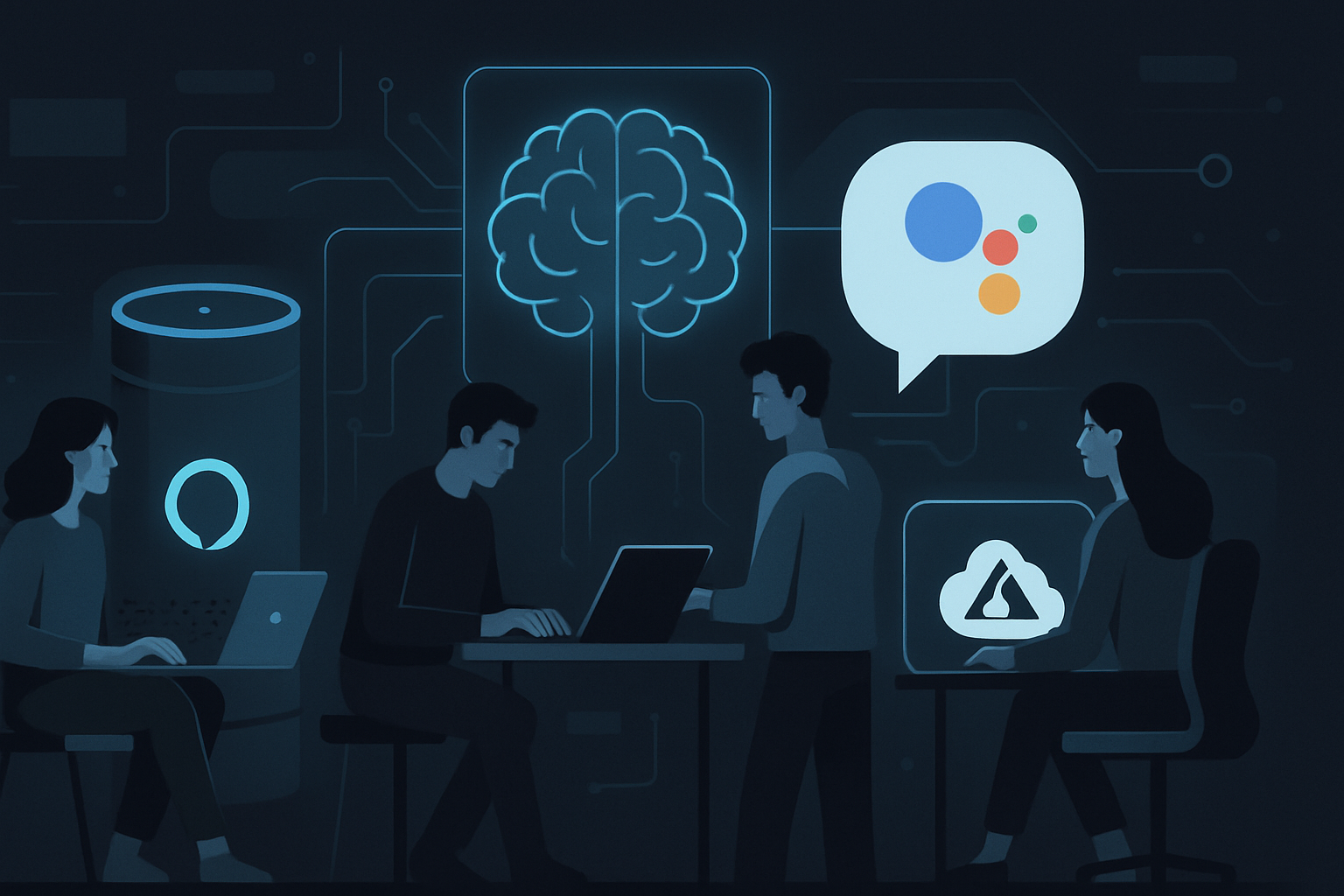
Creating an artificial intelligence (AI) skill has become a strategic goal for developers looking to enhance their applications. In an era where user interaction is essential, integrating AI skills can radically transform the customer experience. This article draws on concrete experiences and lessons learned from previous projects to explore this process.
The development of an AI skill begins with a careful design phase. Developers must clearly define the skill's objective, user needs, and desired features. The choice of deployment platform, such as Amazon Alexa, Google Assistant, or Microsoft Azure, is crucial. Tools like APIs and development frameworks facilitate the integration of AI algorithms. For instance, natural language processing (NLP) models enhance the understanding of user queries, making interactions smoother.
Statistics show that well-designed AI skills can increase user engagement by 30%. Companies that integrate these technologies see a 20% rise in customer satisfaction, underscoring the importance of rigorous development to maximize the impact of AI skills.
Le brief IA que les pros lisent chaque soir
Les 7 actus IA du jour, décryptées en 5 min. Gratuit.
Inclus dès l'inscription : notre sélection des meilleurs guides & comparatifs IA.
Choisissez votre rythme
Gratuit · Pas de spam · Désabonnement en 1 clic
The integration of AI skills has significant repercussions across various sectors. In e-commerce, AI chatbots provide 24/7 customer service, reducing the need for human intervention and improving operational efficiency. In the healthcare sector, AI skills assist in diagnosing diseases by analyzing complex medical data, allowing for personalized care. The impact of AI skills also extends to fields such as education and finance, transforming how businesses interact with their customers.
Reactions to the integration of AI skills are varied. Developers and companies are enthusiastic, but concerns are emerging regarding data security and algorithm transparency. Users want to understand how their data is used and how decisions are made by AI systems, raising ethical and regulatory questions.
The future outlook is promising. With the rapid evolution of AI technologies, skills are becoming increasingly sophisticated and accessible. Companies investing in training and research and development of AI skills will be better positioned to leverage these advancements. Moreover, collaborations between innovative startups and large enterprises could foster the emergence of even more effective solutions.
Brief IA — L'actualité IA en français
L'essentiel de l'actualité de l'intelligence artificielle, décrypté et expliqué chaque jour.