Denis Shilov Compares AI Rivalry to a Nuclear Race
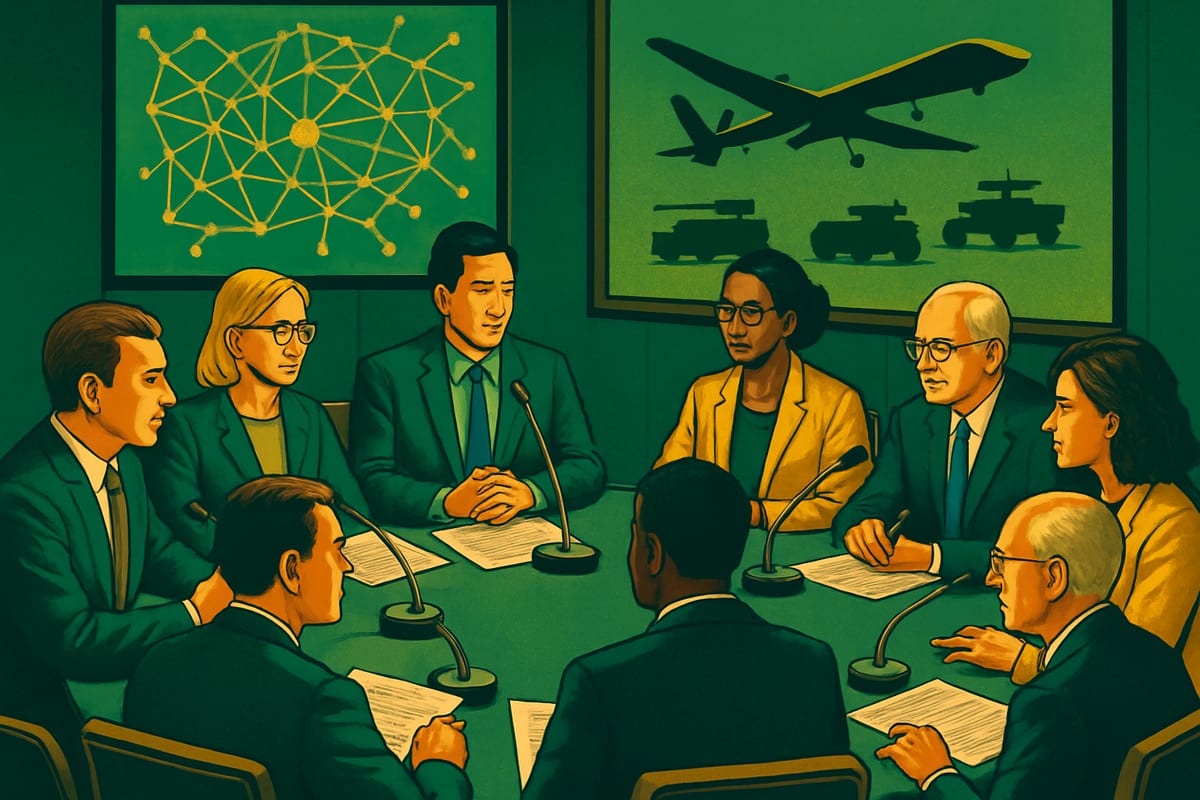
Security expert Denis Shilov likens the competition surrounding AI to a modern nuclear arms race. He warns of cybersecurity risks, issues with the autonomy of weapons, and potential geopolitical instability, while initiatives like the Partnership on AI and discussions at the G20 and the UN seek a common framework.
Towards Contested Governance: G20, UN, and Ongoing Disagreements
The question of global AI regulation is the subject of debates within the G20 and the UN, but the lack of agreement among states, tied to issues of sovereignty and power dynamics, makes it difficult to achieve consensus. Meanwhile, the Partnership on AI brings together nonprofit organizations and tech companies to collaborate on these issues. Denis Shilov warns that the current dynamics could fuel geopolitical instability and make international cooperation more challenging, with increased tensions between states.
Sectoral and Military Risks Cited by Shilov
AI systems are already integrated into military applications. Their use in armed conflict raises concerns, particularly regarding the possibility of crucial decisions being made without human intervention. Denis Shilov highlights significant risks related to cybersecurity and the autonomy of weapons. In the healthcare sector, unregulated AI systems could lead to incorrect diagnoses or inappropriate treatments, while in finance, biased algorithms could exacerbate economic inequalities. The lack of AI regulation is thus presented as potentially having significant repercussions across various sectors.
Le brief IA que les pros lisent chaque soir
Les 7 actus IA du jour, décryptées en 5 min. Gratuit.
Inclus dès l'inscription : notre sélection des meilleurs guides & comparatifs IA.
Choisissez votre rythme
Gratuit · Pas de spam · Désabonnement en 1 clic
Technical Trajectories: Projections for 2030 and 2045
Recent studies estimate that AI systems could achieve human-level intelligence by 2030 and surpass human intelligence in certain areas by 2045. More broadly, AI could exceed human capabilities in various fields. These projections come as technological advancements in AI are occurring at a rapid pace.
Regulating Without Stifling: Opposing Positions and a Call for Dialogue
Part of the tech sector advocates for proactive regulation, which would include safety and ethical standards for AI, while others argue that imposing overly strict rules could hinder innovation and competitiveness. Denis Shilov recommends establishing transparent consultations among governments, businesses, and researchers to define a balanced regulatory framework. He equates the rivalry over AI to a new form of nuclear arms race and warns of the risks associated with competition without regulation. The rise of AI sparks debates in technological and political circles, where security is deemed crucial, as nations seek to outpace their rivals in the development of advanced technologies.
Brief IA — L'actualité IA en français
L'essentiel de l'actualité de l'intelligence artificielle, décrypté et expliqué chaque jour.