Job Data: Google Pays $10 Million, Handshake Offers $30,000
Le brief IA que les pros lisent chaque soir
Les 7 actus IA du jour, décryptées en 5 min. Gratuit.
Inclus dès l'inscription : notre sélection des meilleurs guides & comparatifs IA.
Choisis ton rythme
Gratuit · Pas de spam · Désabonnement en 1 clic
Access to professional content is becoming a central issue in training models. Google has spent $10 million on data from Spirit Airlines, while direct offers, reaching up to $30,000 per person, are emerging for quality documents. Sharing conditions and legal reservations remind us that this information is not as private as one might think.
Millions for Corporate Databases and Individual Bonuses
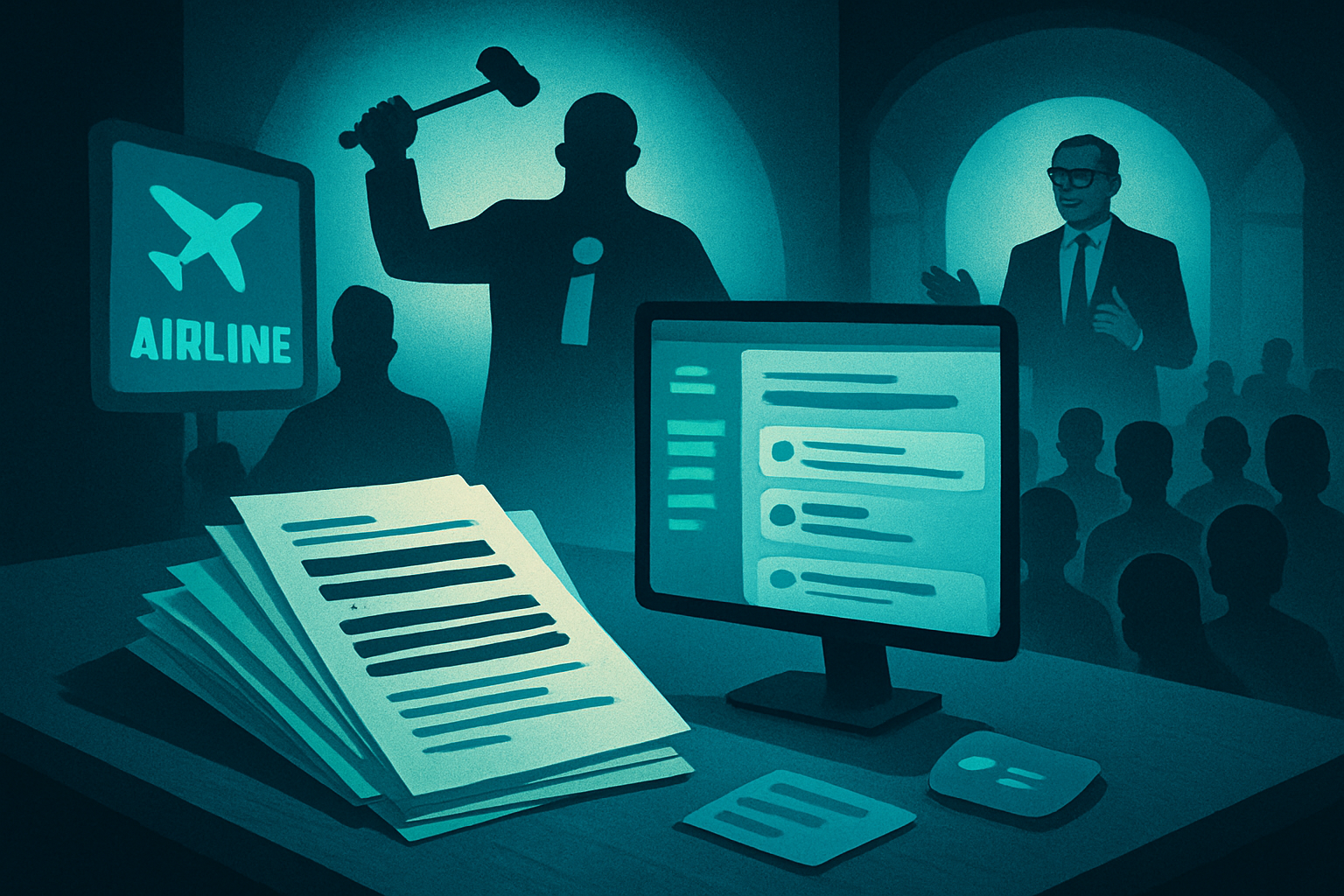
Google recently paid $10 million for corporate data from the bankrupt Spirit Airlines. In the same proceedings, the startup Mercor bid $7.5 million for this information. Meanwhile, Handshake AI is seeking individuals willing to sell work content and is offering up to $30,000 for written documents deemed high quality. The company specifies that contributors must own these documents and be authorized to share them. Lawyers remind us that professional data is not as private as one might believe, and the prospect of direct collections or asset purchases raises compliance questions.
Employees as Direct Training Sources
Elon Musk informed SpaceX employees that their data would be used to train Grok. He stated at a recent all-hands meeting that this system "will inherit your thoughts and ideas." More broadly, companies can mobilize their own workforce to provide the model with concrete examples from daily activities.
What Models Are Looking For: Emails, Messages, Documents, and Workflows
The sought-after content includes emails, internal messages, and documents produced by employees. Simulated work environments are used to develop hands-on experience, but they require real data and workflows to analyze. Models have already extensively leveraged public texts and user feedback on chatbots, hence the interest in professional corpora. This direction raises concerns among some employees, who refuse to have their mouse movements or keystrokes captured.
Compensating Human Contributions: Acceptances, Low Rates, and Refusals
Compensation practices already exist, such as when Meta paid individuals to smile at the camera. Reactions to offers vary widely: some people say they would accept for $25 an hour, while others refuse any participation. These discrepancies highlight the lack of consensus on the personal value attributed to the data and skills mobilized.
Brief IA — L'actualité IA en français
L'essentiel de l'actualité de l'intelligence artificielle, décrypté et expliqué chaque jour.