DoorDash: Tony Xu Critiques the Limited Impact of AI
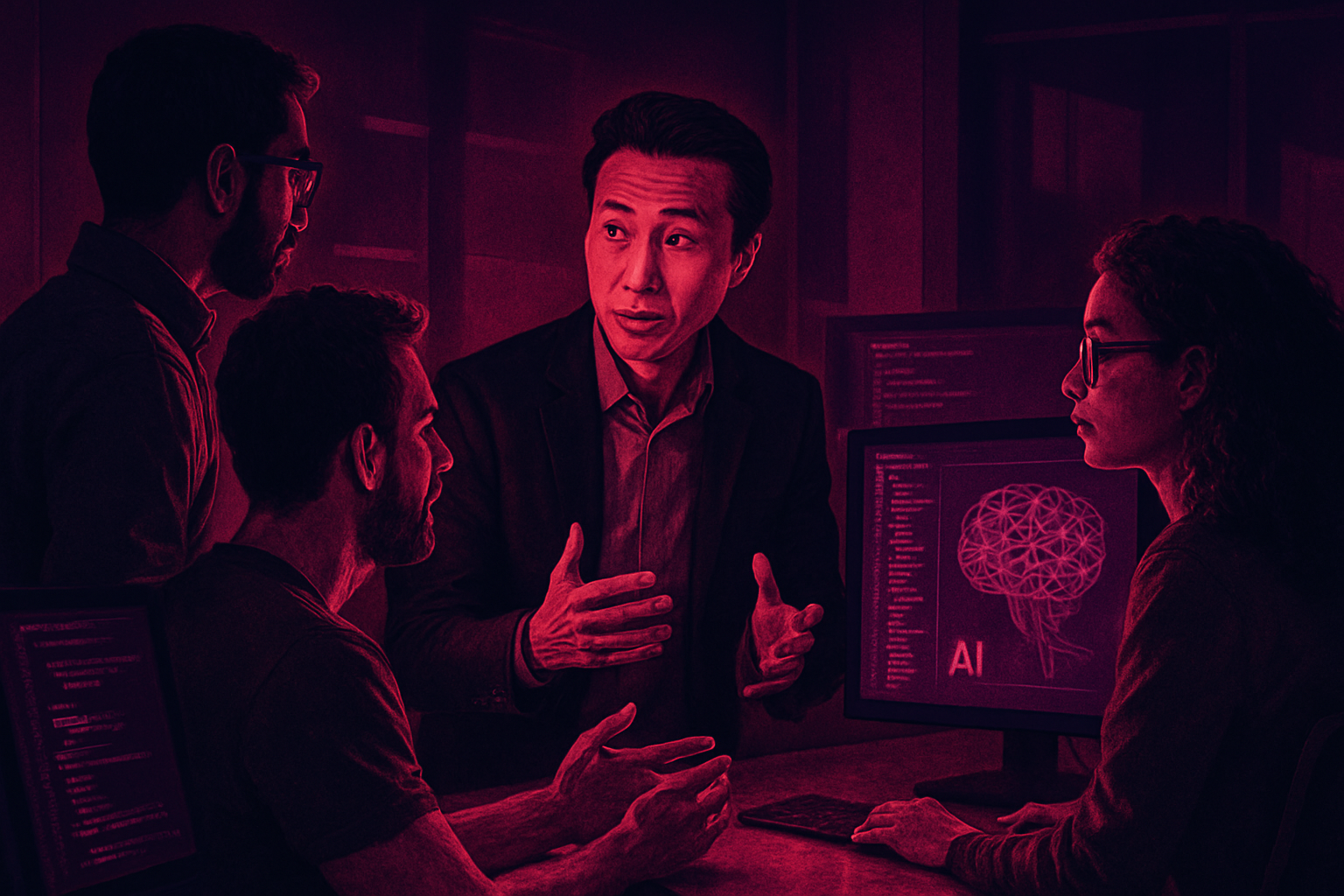
The Limited Impact of AI on Engineer Productivity at DoorDash
Tony Xu, the CEO of DoorDash, recently shared his thoughts on the impact of artificial intelligence in the engineering field within his company. According to him, coding, while important, constitutes only a small part of engineers' daily tasks. This statement highlights the complexity of engineering work that goes far beyond mere code writing.
Xu emphasized that while AI has improved certain aspects of productivity at DoorDash, it is not yet fully integrated into all facets of the company. Currently, about two-thirds of the code produced by DoorDash is generated by AI models, representing significant progress. However, Xu aspires to a broader use of AI, not only in software development but also in other departments.
The Challenges of Integrating AI into Engineering
The CEO of DoorDash explained that writing code is just one part of software engineers' work. "Only certain parts of an engineer's day are dedicated to programming," he stated during a podcast titled "Uncapped." Xu believes that AI could help streamline between 25% and 50% of the time spent on code delivery, but this is not enough to radically transform productivity.
As a co-founder of DoorDash in 2013, Xu has a clear vision of the challenges engineers face. He noted that they also spend a lot of time in design meetings, product reviews, and discussions with other business teams. For Xu, these activities also require AI assistance to maximize efficiency.
The Importance of a Balanced Approach to AI
Tony Xu stressed that to achieve significant productivity gains, it is crucial for AI to be seamlessly integrated into all company processes. "If that doesn't change and harmonize, you won't be able to achieve the productivity gains you hope for," he asserted. He mentioned that many companies in the industry are looking to optimize these workflows to become truly AI-native, not only in software development but also in their overall operations.
Le brief IA que les pros lisent chaque soir
Les 7 actus IA du jour, décryptées en 5 min. Gratuit.
Inclus dès l'inscription : notre sélection des meilleurs guides & comparatifs IA.
Choisissez votre rythme
Gratuit · Pas de spam · Désabonnement en 1 clic
Xu also discussed the need to improve other aspects of DoorDash's business through AI, particularly through the use of robots for meal preparation and autonomous vehicles for delivery. These innovations represent areas where AI could have a significant impact on operational efficiency.
A Critical Look at the Enthusiasm Surrounding AI
Despite the advancements made, Xu has taken a measured approach regarding the impact of AI on DoorDash's organizational structure. During an earnings call in May, he clarified that AI has not yet transformed the way the company is structured. "We are currently seeing many productivity gains from AI," he stated, while emphasizing that this is not enough to justify a complete overhaul of workflows and team configurations.
He joins a small group of tech leaders who have publicly expressed reservations about the current capabilities of AI. Avishai Abrahami, CEO of Wix, has also criticized the exaggeration of AI's capabilities in the tech industry, pointing out that too much credit is given to what AI can actually accomplish.
The Limits of AI Coding According to Experts
Even AI experts, such as Andrej Karpathy, former head of AI at Tesla, have expressed concerns about the limitations of AI-generated coding. During a conference in April, Karpathy described AI-generated code as often messy and inelegant. "It's very cluttered, there's a lot of copy-pasting, and there are clumsy abstractions," he stated, highlighting that while the code works, it lacks finesse.
These critical perspectives underscore the need for companies to maintain a balanced and realistic approach to AI integration, recognizing its benefits while being aware of its current limitations.
Brief IA — L'actualité IA en français
L'essentiel de l'actualité de l'intelligence artificielle, décrypté et expliqué chaque jour.