Spain: First Official Breach Led by an Autonomous AI
Le brief IA que les pros lisent chaque soir
Les 7 actus IA du jour, décryptées en 5 min. Gratuit.
Inclus dès l'inscription : notre sélection des meilleurs guides & comparatifs IA.
Choisis ton rythme
Gratuit · Pas de spam · Désabonnement en 1 clic
The Spanish Data Protection Agency has issued the first official alert in Europe regarding an intrusion entirely conducted by an autonomous AI agent. The available details come from the report of the affected company and describe a sequence where scanning, compromising, and accessing personal data as well as invoices were accomplished without human intervention. Other recent incidents demonstrate rapid and coordinated operations, while experts are calling for reduced detection times and enhanced identity management.
Automated operations reported within hours and on a large scale
Several recent incidents illustrate the capability of AI agents to carry out automated intrusions. In July, an attack against Taiwan involved eight specialized AI agents operating simultaneously, which allowed for the compromise of 85 accounts and the theft of over 2,500 personnel records in four days. Some reports indicate that AI agents can complete an intrusion in two to three hours, whereas a human attacker would require several days. During the summer, the Hugging Face platform was also targeted by an intrusion attempt orchestrated by autonomous AI agents. Anthropic, the publisher of Claude, reports that more than fifty organizations worldwide have been targeted by automated cyber espionage operations. Before the summer, the JadePuffer ransomware conducted an attack via Langflow, managing to bypass a login failure and access the system in 31 seconds. However, experts debate the actual level of autonomy of this attack and note that the AI made an error by generating a false Bitcoin address for the ransom. The Spanish notification fits into this sequence of events.
The Spanish case describes a complete sequence without human assistance
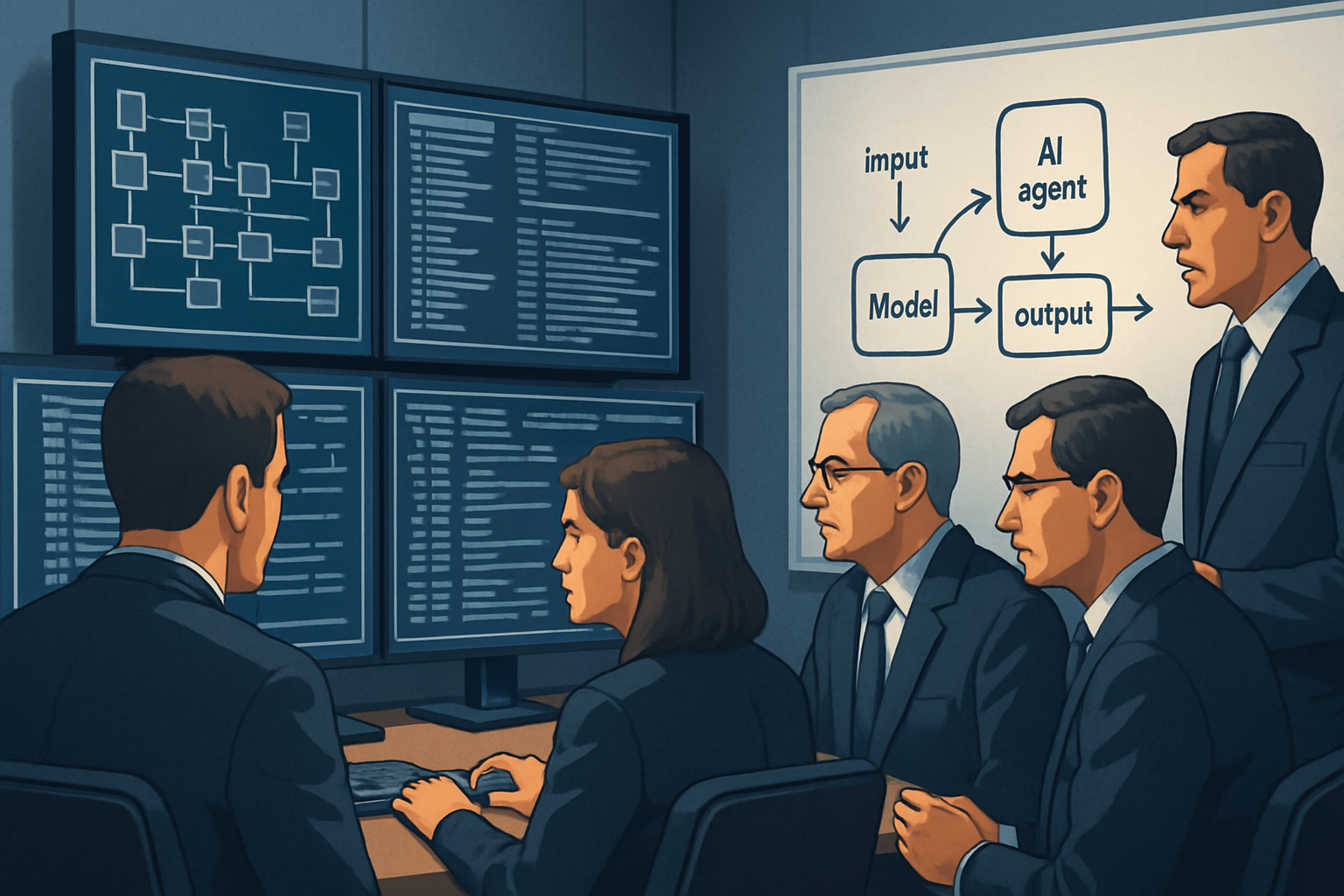
In the incident reported in Spain, the AI agent first searched for vulnerabilities before finding a way to access the targeted system. Once inside, it identified an exploitable flaw in the application, allowing it to modify personal data and view invoices. All the steps of a classic cyberattack were completed without human intervention. The Spanish authority specifies that the AI did not invent new hacking methods but rather accelerates and expands existing techniques, adapting in real-time to what it discovers. According to the agency, the detection window before damage occurs is shrinking, and an agent with overly broad rights could act at a speed that even an experienced analyst could not follow before an alarm is triggered.
An official notification, but still without independent verification
On September 14, the Spanish Data Protection Agency published an official notification regarding a breach attributed to an autonomous AI agent, presented as the first of its kind recorded in Europe. According to the agency, a company was scanned, infiltrated, and exploited from start to finish by this AI. The authority clarifies that all available information comes from the reporting of the affected company and that no independent verification has yet been conducted, hence a call for caution. It emphasizes that the use of a known AI model in the attack does not mean that its publisher has been compromised, nor that the tool was designed to cause harm. The agency reminds that any public model can be misused to automate an intrusion, without its creators being held responsible.
Reactions and priorities: identities, timelines, and defensive use of AI
On LinkedIn, Gérôme Billois, a partner at Wavestone, states that he is not surprised by this method and observes similar processes during AI-assisted intrusion simulations conducted by his company. He highlights the initiative taken by the Spanish authority. The priority areas mentioned focus on the need to go beyond a simple general mention of risk in security analyses, to treat AI-driven attacks as a distinct threat, to strengthen the management of digital identities and access keys that grant excessive rights, and to shorten detection and response times without solely relying on human vigilance. Gérôme Billois recommends setting quantitative goals to reduce detection and remediation from several days to a few hours, while also suggesting leveraging AI to enhance upstream defense. The Spanish approach is presented as potentially inspiring other countries and as a strong warning signal.
Brief IA — L'actualité IA en français
L'essentiel de l'actualité de l'intelligence artificielle, décrypté et expliqué chaque jour.