AI Ethics: Blame Varies by Narrative
Le brief IA que les pros lisent chaque soir
Les 7 actus IA du jour, décryptées en 5 min. Gratuit.
Inclus dès l'inscription : notre sélection des meilleurs guides & comparatifs IA.
Choisis ton rythme
Gratuit · Pas de spam · Désabonnement en 1 clic
Experimental work suggests that the narrative accompanying an automated decision significantly influences blame attribution, despite the same decision, outcome, and code. Two different formulations can elicit opposing judgments from individuals, the law, and the public. It is also argued that the ethical stakes partly hinge on user experience. A simple protocol is proposed to quantify these judgment discrepancies.
Measuring Blame Requires a Test on a Thousand Participants
One suggested method to objectify these discrepancies is to present the same moral dilemma to a thousand people while changing only a single detail each time. Despite identical decisions, outcomes, and codes, moral responses vary based on the presentations, including from the perspectives of the individuals involved, the law, and the general public. In this context, it is argued that AI ethics is partly a user experience issue.
Two Narratives, Same Code: Different Judgments
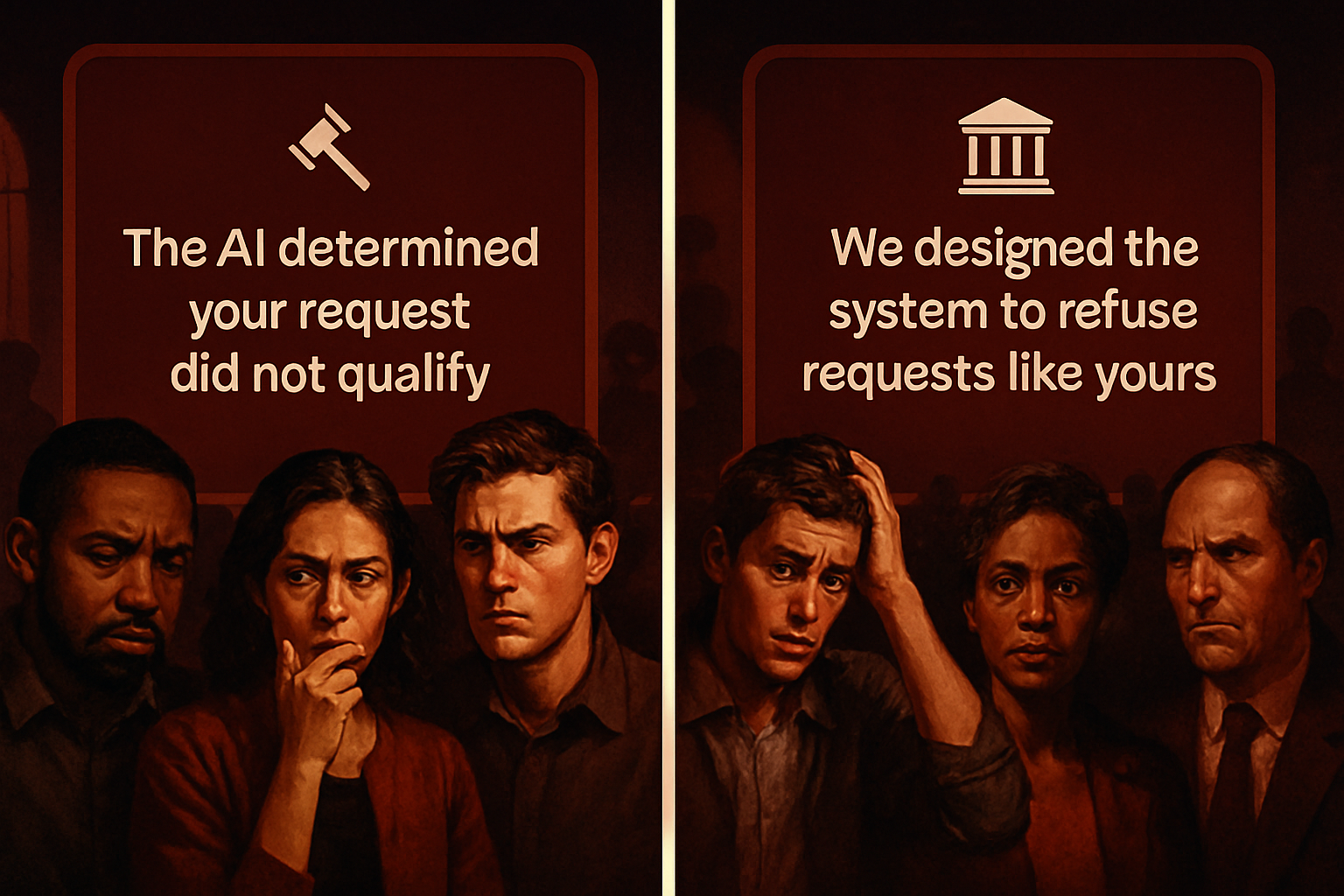
A refusal can be phrased in two ways: “the AI determined that your request did not qualify” or “we designed the system to reject requests like yours.” In both cases, the decision, outcome, and code path remain the same, but moral reactions diverge based on the narrative and explanation provided. Blame is typically directed at the machine or the designing company, and recent experimental research suggests another avenue: identifying which formulation proves to be morally less costly.
Brief IA — L'actualité IA en français
L'essentiel de l'actualité de l'intelligence artificielle, décrypté et expliqué chaque jour.