Florida: Ban on ChatGPT Anthropomorphism
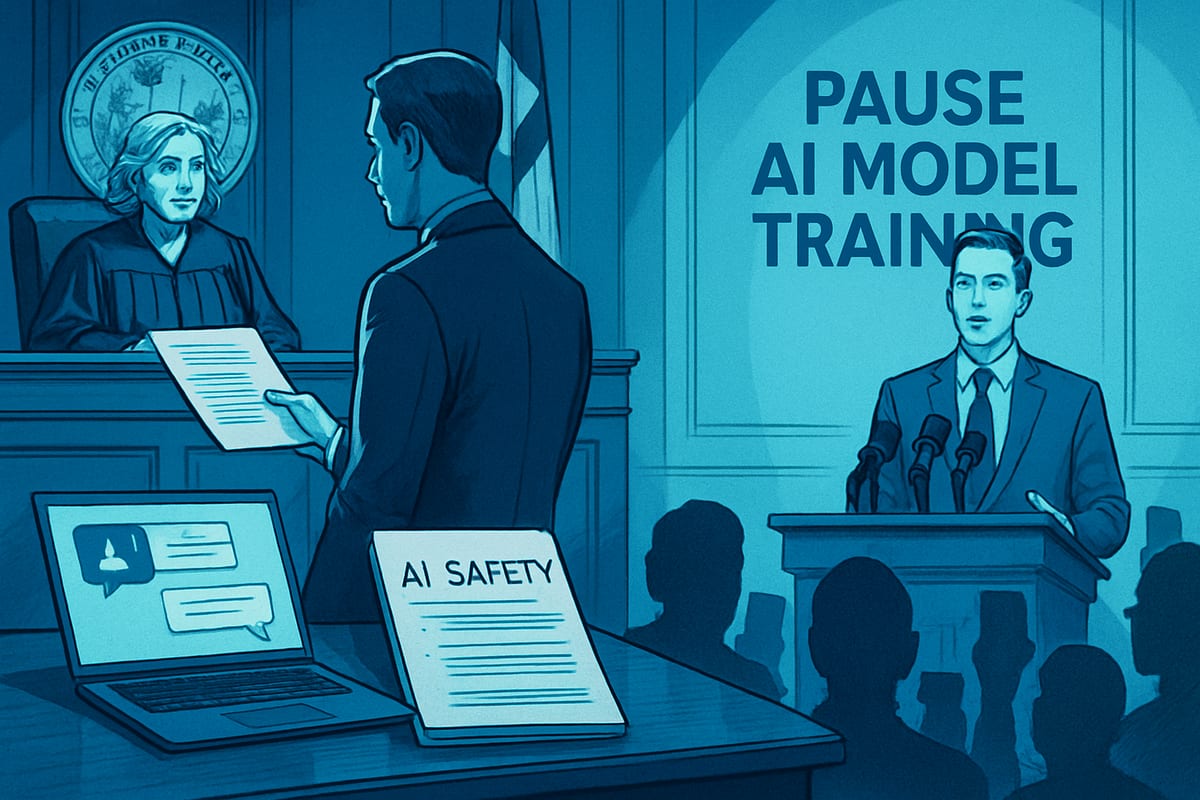
Florida wants to prevent OpenAI from presenting ChatGPT with human-like attributes and from training new models without third-party validation of safeguards. OpenAI, for its part, claims to have suspended the training of its most powerful models and states that it is ready to work with the state and others on safety regulations applicable to the entire industry.
OpenAI Highlights a Pause and Calls for Public Standards
OpenAI, through its spokesperson Drew Pusateri, asserts that AI safety begins with corporate practices. Pusateri indicates that OpenAI has announced it has suspended the training of its most advanced models and that resumption will only occur once additional safety measures have been implemented. He believes that governments play an important role in establishing robust safety standards for AI. OpenAI expresses its willingness to collaborate with Florida and other states on pragmatic policies applicable across the sector.
What Florida is Asking the Judge Against OpenAI
The request filed by the Florida Attorney General aims to prohibit OpenAI from giving ChatGPT human characteristics. It also seeks to mandate that no new AI models be developed without third-party approved safety safeguards. James Uthmeier believes that the use of first-person pronouns and responses mimicking emotions misleads users by presenting ChatGPT as a trustworthy "friend." According to him, these choices are intended to increase engagement and feed OpenAI's training data, potentially making the service less reliable while encouraging users to trust it more.
Le brief IA que les pros lisent chaque soir
Les 7 actus IA du jour, décryptées en 5 min. Gratuit.
Inclus dès l'inscription : notre sélection des meilleurs guides & comparatifs IA.
Choisissez votre rythme
Gratuit · Pas de spam · Désabonnement en 1 clic
Cited Incidents and Procedural Context
The filing references recent security incidents on Hugging Face, on an Australian government site, and on U.S. government websites. It also mentions recent statements from researchers and former OpenAI employees warning about AI safety. This legal action comes a few months after Florida filed a lawsuit against OpenAI over safety concerns.
Minors: Dedicated Version and Florida's Criticism
Last month, OpenAI launched a version of ChatGPT aimed at teenagers, with additional restrictions activated by default. The company claims that minors' access to the tool should come with protections appropriate to their developmental stage, reinforcing real-life relationships and healthy usage over time. James Uthmeier, for his part, is asking OpenAI to stop labeling ChatGPT as safe, presenting it as human, and marketing it to children.
Brief IA — L'actualité IA en français
L'essentiel de l'actualité de l'intelligence artificielle, décrypté et expliqué chaque jour.