GLM-5.2: The Chinese AI Raising Global Cybersecurity Concerns
Le brief IA que les pros lisent chaque soir
Les 7 actus IA du jour, décryptées en 5 min. Gratuit.
Inclus dès l'inscription : notre sélection des meilleurs guides & comparatifs IA.
Choisis ton rythme
Gratuit · Pas de spam · Désabonnement en 1 clic
An American Decision That Shakes Silicon Valley
In June, the Trump administration took a drastic measure that shook Silicon Valley: it ordered Anthropic to immediately withdraw its artificial intelligence models, Fable 5 and Mythos 5. This decision was made in a climate of panic within the U.S. government after researchers demonstrated the possibility of circumventing the built-in security barriers of these AIs. This ability to be exploited raised concerns about their potential militarization by foreign powers.
Claude Mythos, designed to code at the scale of an entire software, proved particularly effective at identifying previously unknown security vulnerabilities. Fearing that this technology could be used for military purposes by adversarial countries, Washington decided to block its export. Although Mythos 5 was reintroduced to the market in early July, access remains strictly limited to a hundred carefully selected U.S. organizations, including government agencies and banks.
GLM-5.2: The Chinese Technological Weapon
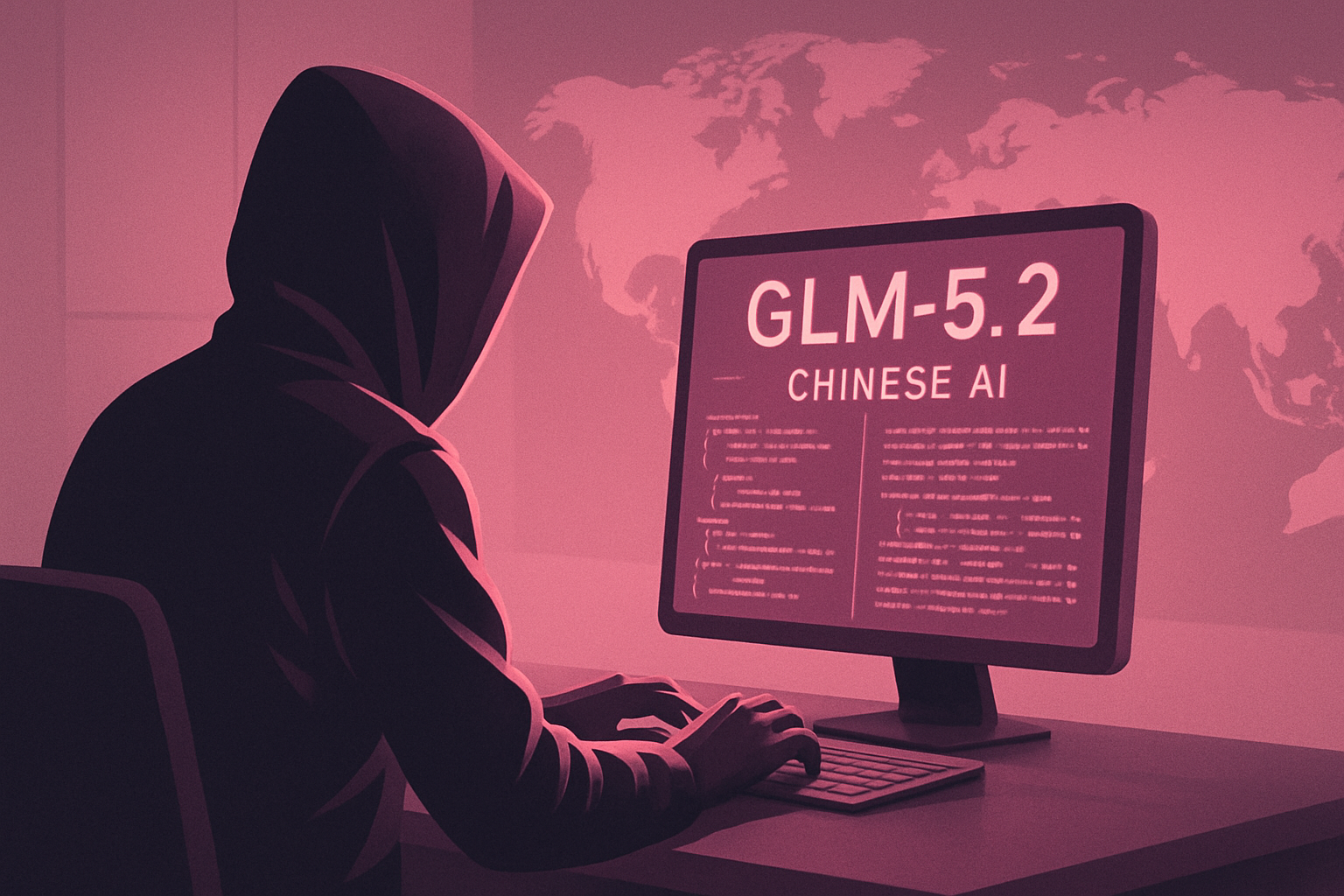
Meanwhile, China has made a bold move with the launch of GLM-5.2 by the startup Z.ai, formerly known as Zhipu AI. This massive AI model directly competes with American leaders in programming, according to experts. Unlike Anthropic, Z.ai chose to release GLM-5.2 as open-weight, under a free MIT license. This means that its code and internal parameters are accessible to everyone, allowing anyone to run it locally on private machines.
This complete freedom offered by GLM-5.2 deeply concerns Western experts, who feel powerless in the face of the spread of this powerful technology without any safeguards. The ability of GLM-5.2 to be used without restrictions poses a major risk to global cybersecurity.
Growing Concerns Among Experts
The company Semgrep tested GLM-5.2 and published its findings with a touch of irony, titling its report: "We Have Mythos at Home." The tests showed that the Chinese AI is extremely effective at detecting software vulnerabilities, even surpassing some specialized American agents. The cost of detecting these flaws is negligible, amounting to just 17 cents per bug detected.
Graphistry, another specialized company, considers GLM-5.2 to be the first freely accessible model offering a "cutting-edge" cyber experience. This unprecedented accessibility makes the danger tangible. Hackers are already exchanging methods to fully unlock the model on Russian-speaking forums, fueling cybersecurity fears.
In the face of these potential threats, Washington has restricted access to Claude Mythos to a select few organizations. However, the availability of GLM-5.2 as open access and without safeguards allows hackers to detect vulnerabilities discreetly, thus evading traditional cybersecurity radars.
Brief IA — L'actualité IA en français
L'essentiel de l'actualité de l'intelligence artificielle, décrypté et expliqué chaque jour.