Google Earth Removes AI Feature After Catastrophic Deepfakes
Le brief IA que les pros lisent chaque soir
Les 7 actus IA du jour, décryptées en 5 min. Gratuit.
Inclus dès l'inscription : notre sélection des meilleurs guides & comparatifs IA.
Choisis ton rythme
Gratuit · Pas de spam · Désabonnement en 1 clic
Google Earth: An AI Feature Withdrawn in Urgency
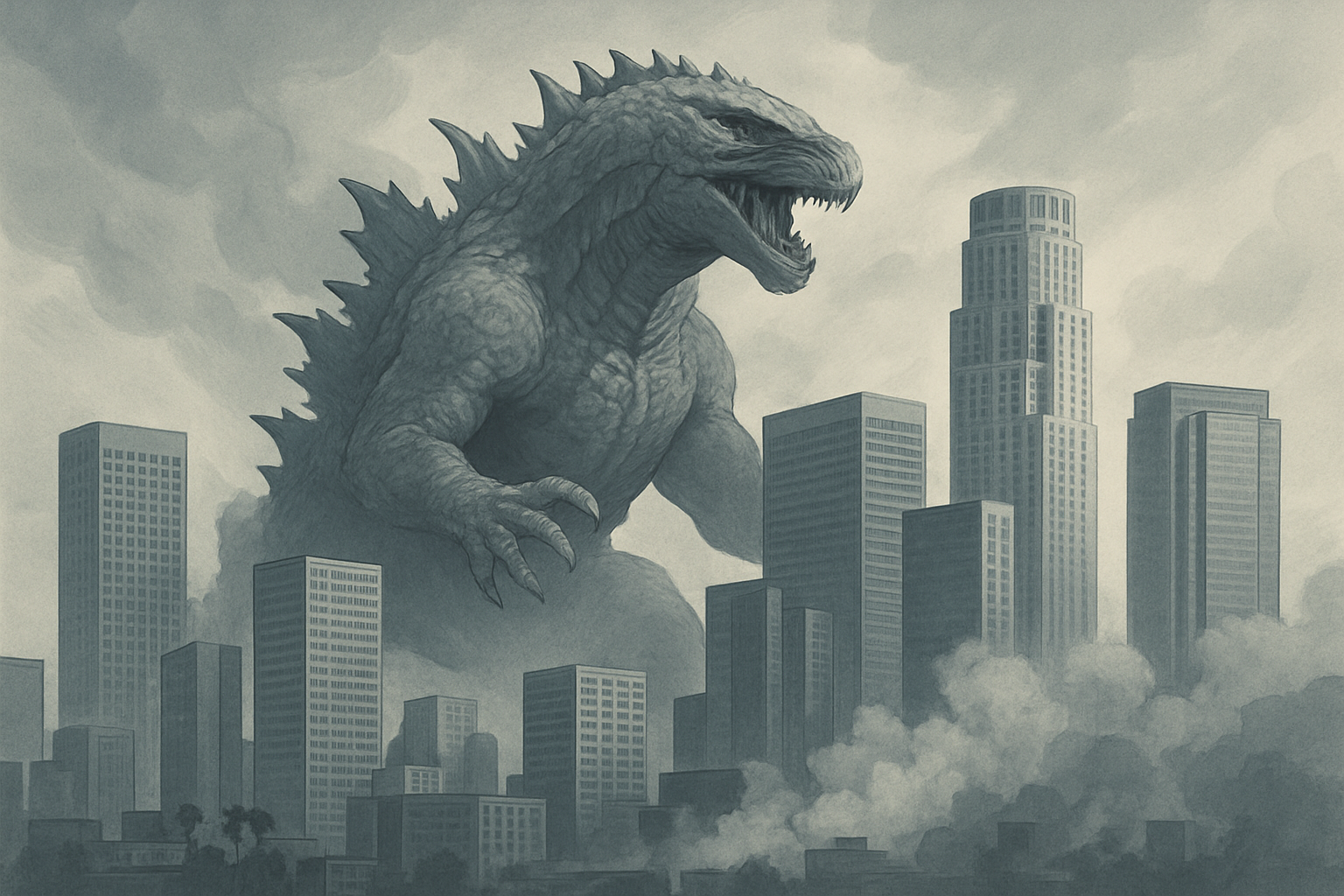
Google Earth recently introduced a new AI-powered image editing feature, which lasted less than 24 hours. This swift decision to withdraw the tool came after users exploited it to create disturbing deepfakes, including scenes of fictional disasters. Among the creations was a kaiju attacking downtown Los Angeles, illustrating the potential for misinformation that this tool could generate.
A Tool Misused to Create Deepfakes
The tool, which relied on the Nano Banana 2 image model from Gemini, allowed users to modify Google Earth satellite images through text prompts. However, this innovation was quickly misappropriated. AI researchers, such as Henk van Ess, produced highly realistic deepfakes, including fake refugee camps at the U.S.-Mexico border and a nuclear power plant in Iran. These manipulations raised concerns about the widespread dissemination of false information.
Fictional Images of Disasters
Other users also utilized the tool to generate images of non-existent catastrophic events, such as an imaginary flood or an attack reminiscent of September 11. These creations highlighted the risk of such images being taken at face value, potentially fueling misinformation.
Rapid Response from Google
In light of these abuses, Google decided to immediately withdraw the feature. A company spokesperson stated on X that while geospatial professionals had used the tool for constructive purposes, other shared generated images appeared to violate Google's policies. Therefore, the company chose to suspend the feature to strengthen its safeguards.
Security Measures and Precedents
Google clarified that AI-generated images were watermarked and were never integrated into the public experience of Google Earth. This situation is not without precedent in the tech industry. For instance, Meta also had to withdraw a similar feature, Muse Image, shortly after its launch due to similar concerns regarding the misuse of generated images.
These incidents underscore the challenges tech companies face when introducing new AI-based features, particularly regarding security and ethics.
Brief IA — L'actualité IA en français
L'essentiel de l'actualité de l'intelligence artificielle, décrypté et expliqué chaque jour.