Halupédia: The AI Encyclopedia Blurring Reality and Fiction
Le brief IA que les pros lisent chaque soir
Les 7 actus IA du jour, décryptées en 5 min. Gratuit.
Inclus dès l'inscription : notre sélection des meilleurs guides & comparatifs IA.
Choisis ton rythme
Gratuit · Pas de spam · Désabonnement en 1 clic
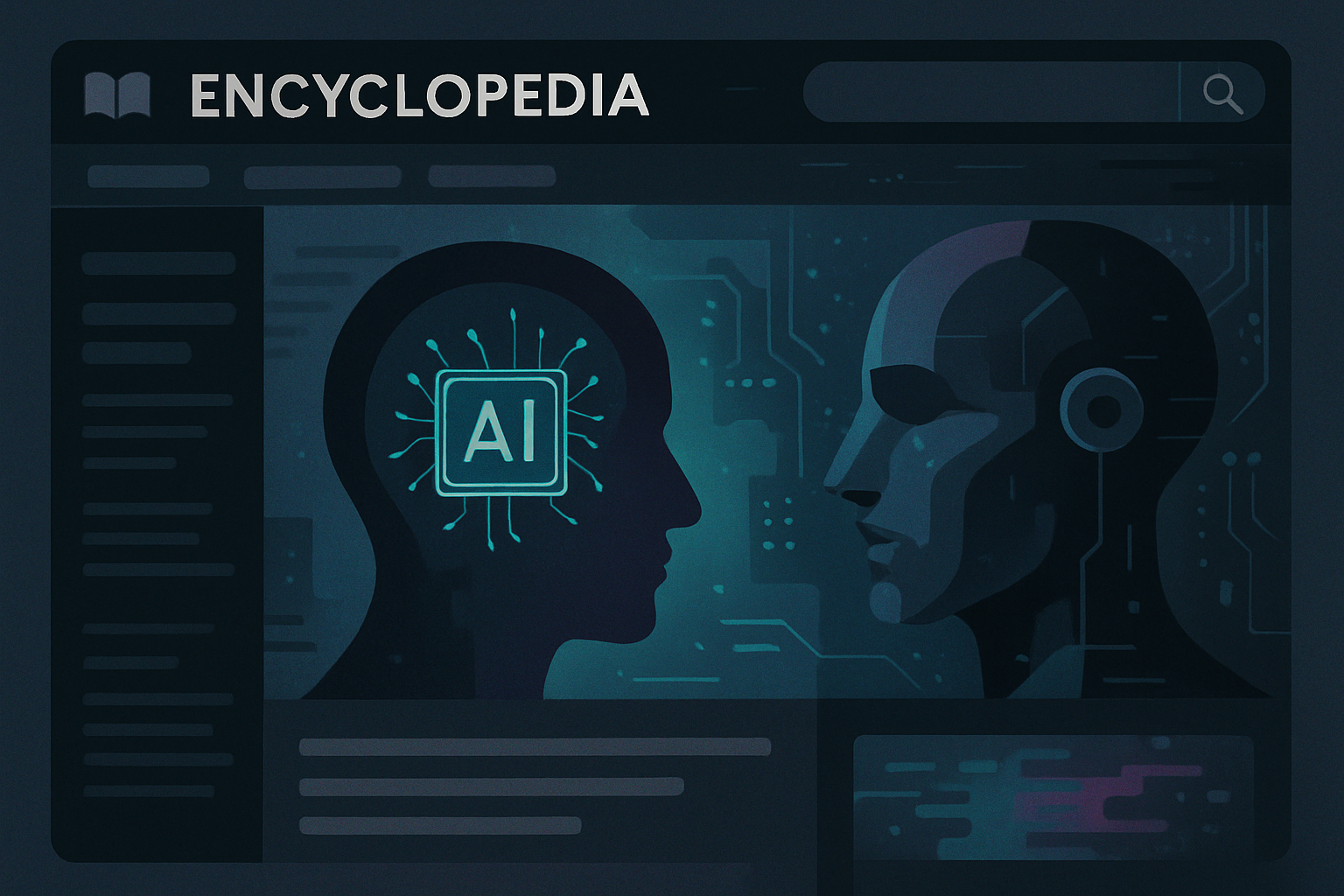
Halupédia, an innovative project, offers a completely fictional encyclopedia generated by artificial intelligence. By mimicking the appearance of Wikipedia, this site creates the illusion of a reliable source, even though its content is purely invented.
This project is part of the trend of "vibeservers," websites controlled by AI that create pages on demand. Among Halupédia's creations are pages on fictional topics such as the "Ministry of Slightly Inaccurate Maps" or the "Great Pigeon Census of 1887."
Objective and Functioning
Halupédia's ambition is to cover topics often overlooked by traditional encyclopedias, even though these subjects are frequently invented or distorted. For example, Charlie Kirk, known for his role in the American conservative movement, is described as an actor in medieval textile trade.
Technically, Halupédia does not rely on pre-existing articles. When a non-existent page is accessed, an AI is called upon to create a fake article, which is then stored for future visits.
Technologies Used
Halupédia utilizes a vibeserver, a new category of web servers that invent content in real-time, often using language models (LLMs). To enhance the illusion, the site adopts the visual codes of Wikipedia, including typography and footnotes.
The project's source code is available as open source on GitHub, allowing developers to contribute. When a page is accessed, Halupédia uses OpenRouter to generate an article, which is then cached by Cloudflare.
Project Philosophy
The concept of Halupédia is almost philosophical, proposing an infinite and hallucinatory encyclopedia where each link leads to a new fictional entry. The project's creator encourages community participation through a Discord server and financial support to cover generation costs.
Brief IA — L'actualité IA en français
L'essentiel de l'actualité de l'intelligence artificielle, décrypté et expliqué chaque jour.