Hoomanely Launches Connected Bowl and AI for Canine Health
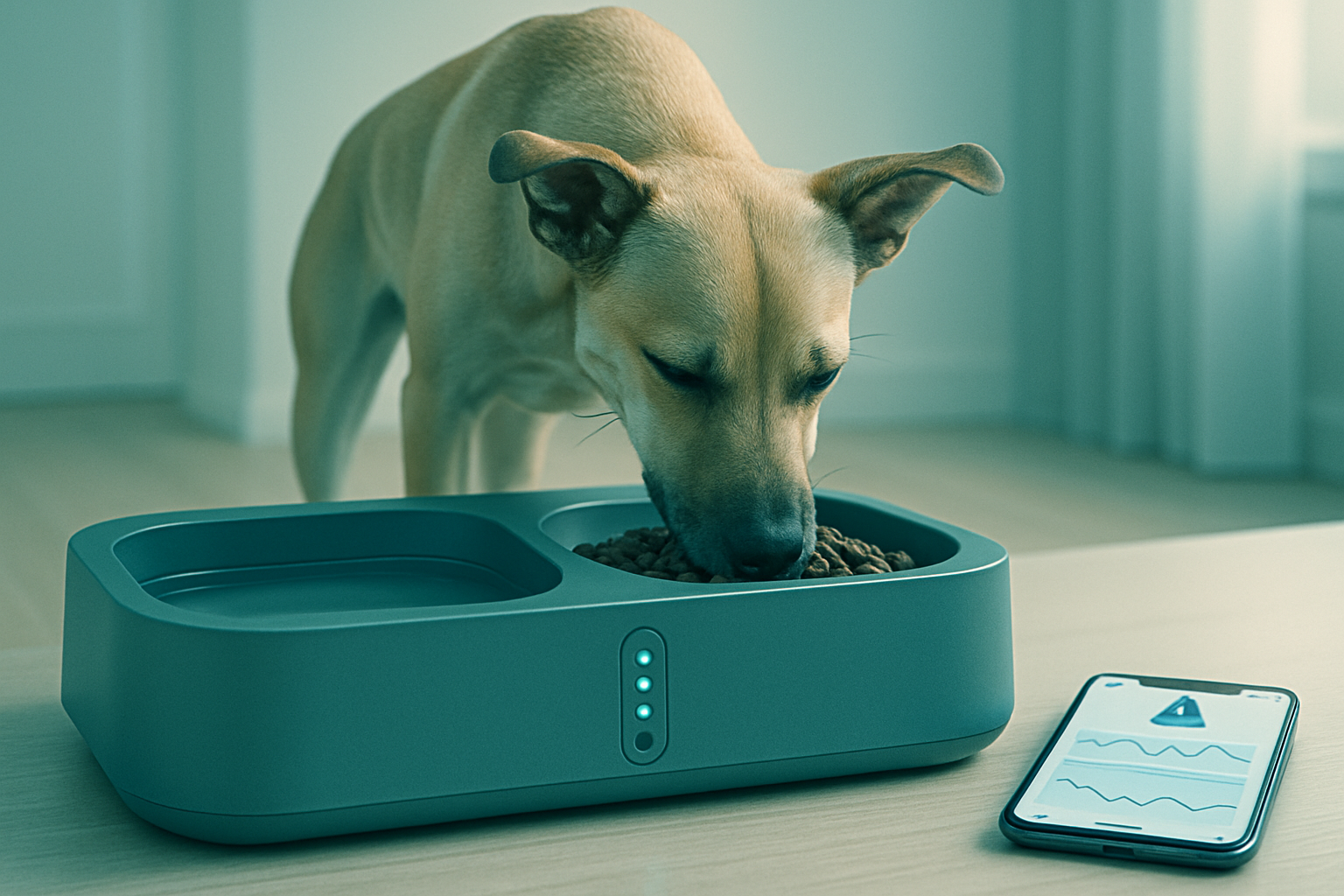
The Palo Alto startup is betting on a bowl embedded with sensors and an AI platform to establish a baseline for each dog and prevent lasting deviations. According to the company, this is useful for alerting owners and veterinarians earlier; however, the device currently lacks any independent performance indicators and has only been tested on a small group.
No Independent Clinical Metrics for Now, Studies in Preparation
Sai Supriya Sharath indicates that there are currently no independent measures of sensitivity, specificity, or false positive rates for clinical events, as these indicators require a study comparing the system's alerts to actual diagnoses. Hoomanely states that it is using its data for formal veterinary studies aimed at evaluating performance on a larger group of dogs, and notes that the protocols being designed will measure sensitivity, specificity, positive predictive value, and false positives, with a case-by-case breakdown. The initial beta is described as small, with around 50 devices having been shipped at this stage.
What the Current Offering Proposes and How It Works
Hoomanely markets EverBowl and application reports via a subscription priced at $29 per month. The device measures food and water consumption, ingestion speed, captures sounds of chewing and swallowing, facial thermals, and mouth movements. The AI platform establishes a baseline for each animal and builds a health record; prolonged deviations are notified to the owner through the app and included in long-term reports. The company claims that these reports can provide more useful data to veterinarians. The app also accepts user-entered information to complement what the sensors do not capture.
The AI brief the pros read every evening
The 7 best AI stories, the essentials in 5 min. Free.
Included when you join: our pick of the best AI guides & comparisons.
Choose your rhythm
Free · No spam · Unsubscribe in 1 click
What the Initial Cases Show and Why Target Mealtime
During testing, the company reports having detected dietary changes in one dog, later associated with a broken tooth that began to get infected. In another case, prolonged deviations in feeding and temperature preceded a veterinary diagnosis of tick fever. According to Sai Supriya Sharath, the bowl creates a prime capture environment due to the repetition of posture and location at each meal, twice a day for years. She argues that appetite, hydration, and oral comfort are among the first to be disrupted in cases of pain, dental, gastric, endocrine issues, or illness, and that dogs are less likely to hide their eating and drinking behaviors compared to lethargy or limping.
Device Roadmap and Expansion of Use Cases
Hoomanely plans to build more devices to enhance data collection. EverSense is announced as a wearable measuring activity and rest, and EverHub is set to aggregate data streams from third-party devices such as smart collars, feeders, or home sensors for environmental data. The company emphasizes that its platform is not a substitute for veterinary diagnosis and aims to help owners and practitioners identify potential signals more quickly. In the long term, Sai Supriya Sharath envisions a business focused on animal health data, serving research as well as stakeholders in nutrition and insurance, with potential expansion beyond dogs to cats, livestock, or horses.
Funding and Business Milestones
Based in Palo Alto, Hoomanely is developing an AI platform coupled with an instrumented feeding station. The company has shaped its system over an 18-month beta that produced approximately 5 million data points on more than 80 dogs. It has raised $1.8 million in pre-seed funding and indicates that it is beginning discussions for a seed funding round.
Brief AI — AI news in French
The essentials of artificial intelligence news, decoded and explained every day.