HTTP 402: The Forgotten Code Becomes the Future of AI Payments
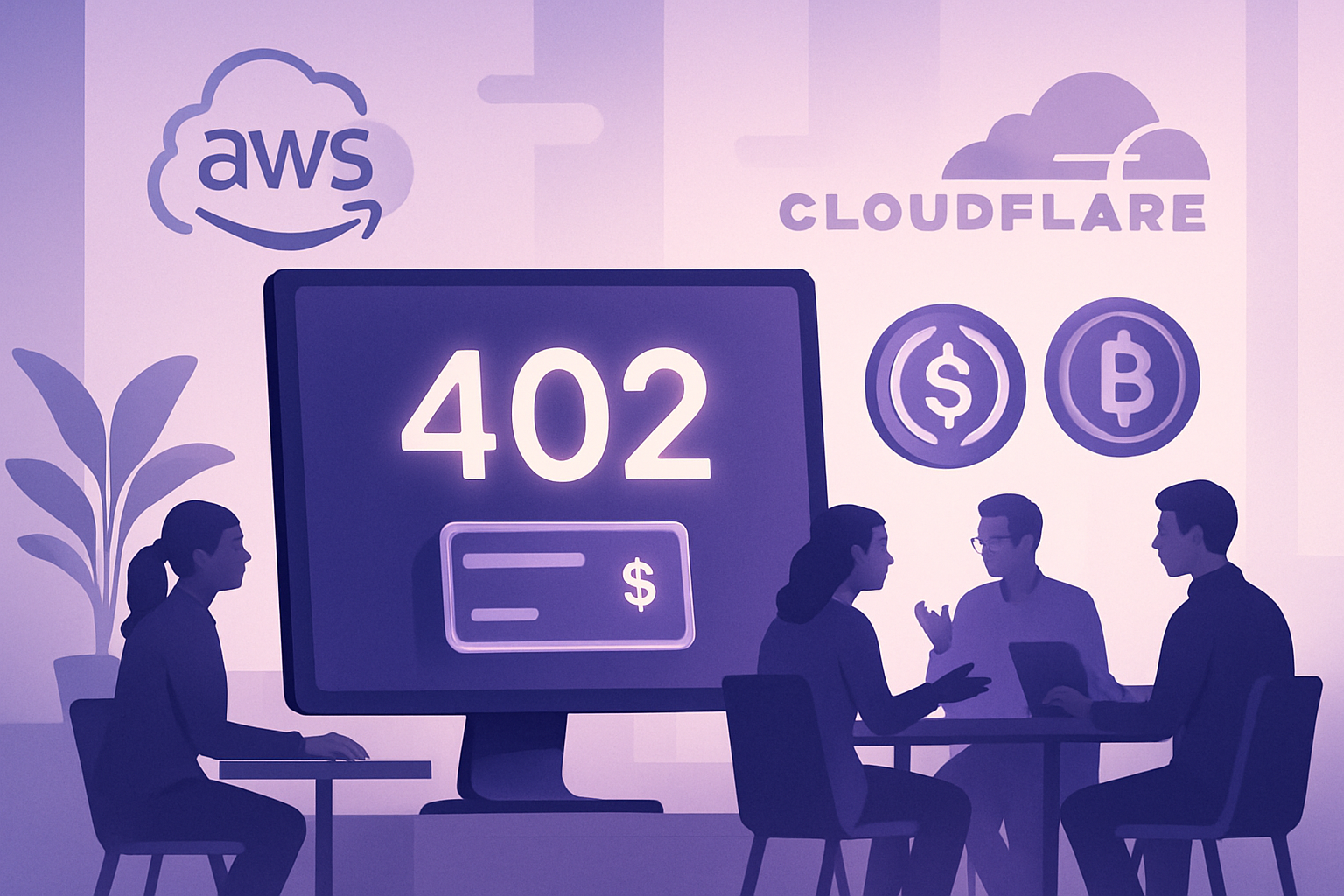
HTTP 402: A Resurrected Code for the Digital Age
In 1997, an HTTP status code was reserved but rarely used: 402 Payment Required. For nearly three decades, this code remained a curiosity, often regarded as a joke among developers, symbolizing an unfulfilled promise of monetization on the Internet. HTTP/1.1 had left this space for a future where money would flow online, but that future seemed never to arrive.
Today, this 402 code is experiencing an unexpected renaissance. Cloud giants like AWS CloudFront/WAF and Cloudflare have decided to give it new utility. They have transformed this dormant code into a functional tool for "agent payments" at the network edge, paving the way for a new era of digital transactions.
Why the Awakening of 402 Now?
This revival of the 402 code comes amid upheavals caused by intelligent agents across various sectors such as advertising, subscriptions, and traditional payment systems. Classic methods, such as blocking or pay-per-click, are no longer sufficient to address the issue of revenue generated by machine traffic. The need for a more effective solution tailored to the current digital economy has thus led to this reactivation.
Le brief IA que les pros lisent chaque soir
Les 7 actus IA du jour, décryptées en 5 min. Gratuit.
Inclus dès l'inscription : notre sélection des meilleurs guides & comparatifs IA.
Choisis ton rythme
Gratuit · Pas de spam · Désabonnement en 1 clic
The x402 Exchange Mechanism
The x402 protocol operates through a two-step exchange. In the first HTTP request, the server indicates a price, typically in USDC. The client, after signing this request, sends it back with a payment signature header. A facilitator then verifies this transaction on the blockchain before the server delivers the requested resource. This process ensures a secure and verifiable transaction.
Concrete Implementation
The article also details how this system is implemented by major cloud providers. A simple example of 20 lines of code demonstrates how to charge for an API using x402-express middleware. Agent wrappers can automatically manage the cycle 402→payment→retry, making the process seamless and integrated.
Concerns of Skeptics
However, this innovation is not without raising concerns. Skeptics point out potential risks such as identity theft by bots, the complexity of billing for anonymous buyers, possible circumvention of paid content, and the concentration of power in the hands of a few players at the network edge.
The article concludes with recommendations for those looking to adopt x402 right now, explaining how to get started on testnets in just a few minutes, thus paving the way for broader and faster adoption of this innovative system.
Brief IA — L'actualité IA en français
L'essentiel de l'actualité de l'intelligence artificielle, décrypté et expliqué chaque jour.