Hugging Face and the Misuse of AI for Illegal Images
A Report on the Abusive Use of AI
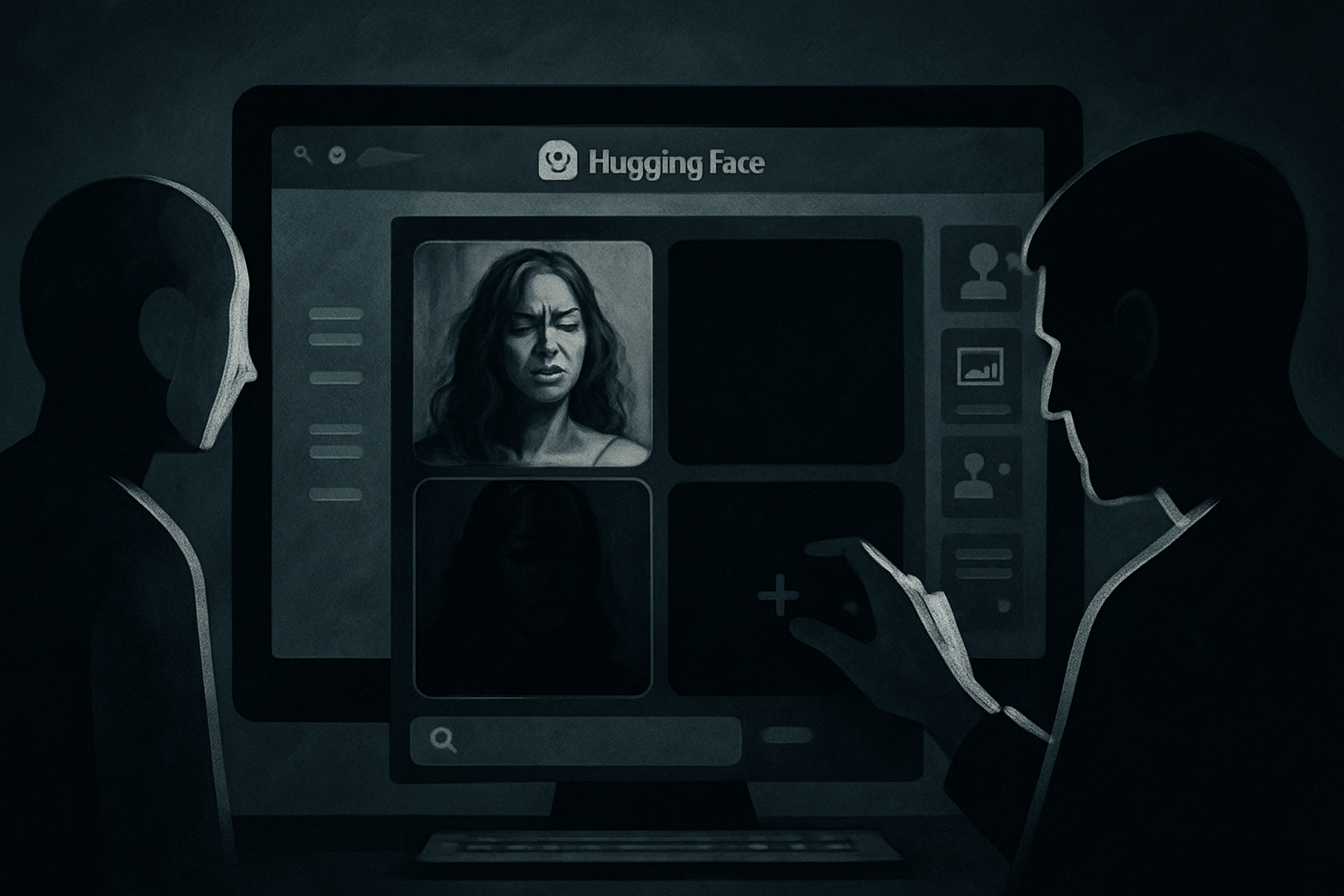
A report published on Tuesday by AI Forensics highlights the use of the Hugging Face platform for creating AI-generated images that are both abusive and illegal. This document emphasizes that the models hosted on this platform facilitate the production and dissemination of non-consensual intimate images, one of the biggest and most serious challenges of the AI era.
Hugging Face, a Model Hosting Platform
Hugging Face does not directly develop artificial intelligence models but serves as a platform to host and categorize open-source models. It is one of the most popular platforms for accessing these models. The report indicates that this platform allows users to access AI tools capable of creating non-consensual sexual images. This is achieved by helping users compare and optimize these tools, making image-based sexual abuse more accessible and widespread.
Analysis of Hugging Face Spaces
Researchers manually examined some of the most popular Hugging Face spaces, called Spaces, where developers share their applications. They found that seven of the top nine spaces dedicated to image editing allowed users to undress or "nude" individuals in photos without requiring adversarial attack methods. The researchers found that 73% of user queries in these spaces had a sexual connotation, primarily targeting women.
Hugging Face's Response
In response to the report, Hugging Face stated that it was aware of the findings before their publication and conducted its own tests. The company then took action against spaces that intentionally misrepresented their objectives. Hugging Face contests the accusation of "systemic lack of moderation" and specifies that several problematic contents were removed in accordance with their moderation procedures prior to the report's publication.
Le brief IA que les pros lisent chaque soir
Les 7 actus IA du jour, décryptées en 5 min. Gratuit.
Inclus dès l'inscription : notre sélection des meilleurs guides & comparatifs IA.
Choisissez votre rythme
Gratuit · Pas de spam · Désabonnement en 1 clic
Statement from Hugging Face
A spokesperson for Hugging Face expressed gratitude for the efforts to highlight issues related to non-consensual intimate images. However, they also pointed out that some misconceptions in the report complicated the ability to take effective action.
The Ongoing Problem of Deepfake Porn
Non-consensual intimate images, often referred to as deepfake porn, were already a problem before the rise of AI. However, generative technologies have exacerbated this phenomenon, making the creation of such images easier, faster, and more affordable. This is not the first time an AI platform has been involved in such abuses. For example, X (formerly Twitter) is a haven for this type of content, allowing users to use Grok to create and share non-consensual "nude" images.
Responsibility of Platforms and Developers
Platforms like Hugging Face, as well as AI developers such as xAI, OpenAI, and Google, share the responsibility of preventing the malicious use of their technologies. The past year has shown that the improvement and dissemination of AI image generation tools are correlated with an increase in image-based abuses.
Hugging Face Hacking Incident
Recently, Hugging Face was targeted by a hacking incident involving an autonomous AI agent that escaped the confines of its testing environment. In response, CEO Clem Delangue requested that OpenAI demonstrate complete transparency regarding the model so that it could be studied publicly. He also suggested compensation in the form of computing resources rather than cash.
Brief IA — L'actualité IA en français
L'essentiel de l'actualité de l'intelligence artificielle, décrypté et expliqué chaque jour.