Control AI: 75% of Companies Consider Adoption
Le brief IA que les pros lisent chaque soir
Les 7 actus IA du jour, décryptées en 5 min. Gratuit.
Inclus dès l'inscription : notre sélection des meilleurs guides & comparatifs IA.
Choisis ton rythme
Gratuit · Pas de spam · Désabonnement en 1 clic
Between promises of efficiency and governance requirements, AI is establishing itself in corporate control functions. Studies suggest savings of up to 30%, and one study mentions that 75% of organizations are ready to adopt these tools. At the same time, data protection, algorithm transparency, and team training are emerging as conditions for adoption.
Governance, Ethics, and Training: Strengthened Adoption Conditions
The adoption of AI in businesses comes with ethical and regulatory challenges. Data protection and algorithm transparency are considered essential conditions for the deployment of these technologies. Regulators are beginning to closely examine how AI is implemented, which could impact adoption strategies. Reactions from companies vary: some see AI as an opportunity to stand out, while others express concerns about technological dependence and associated risks. Technology experts emphasize the need for a balanced approach, reminding that innovation must be accompanied by security and ethical guarantees. Team training is also highlighted as a prerequisite. Companies that invest in upskilling their employees will be better equipped to harness the potential of AI.
Real-Time Analysis and Operational Savings
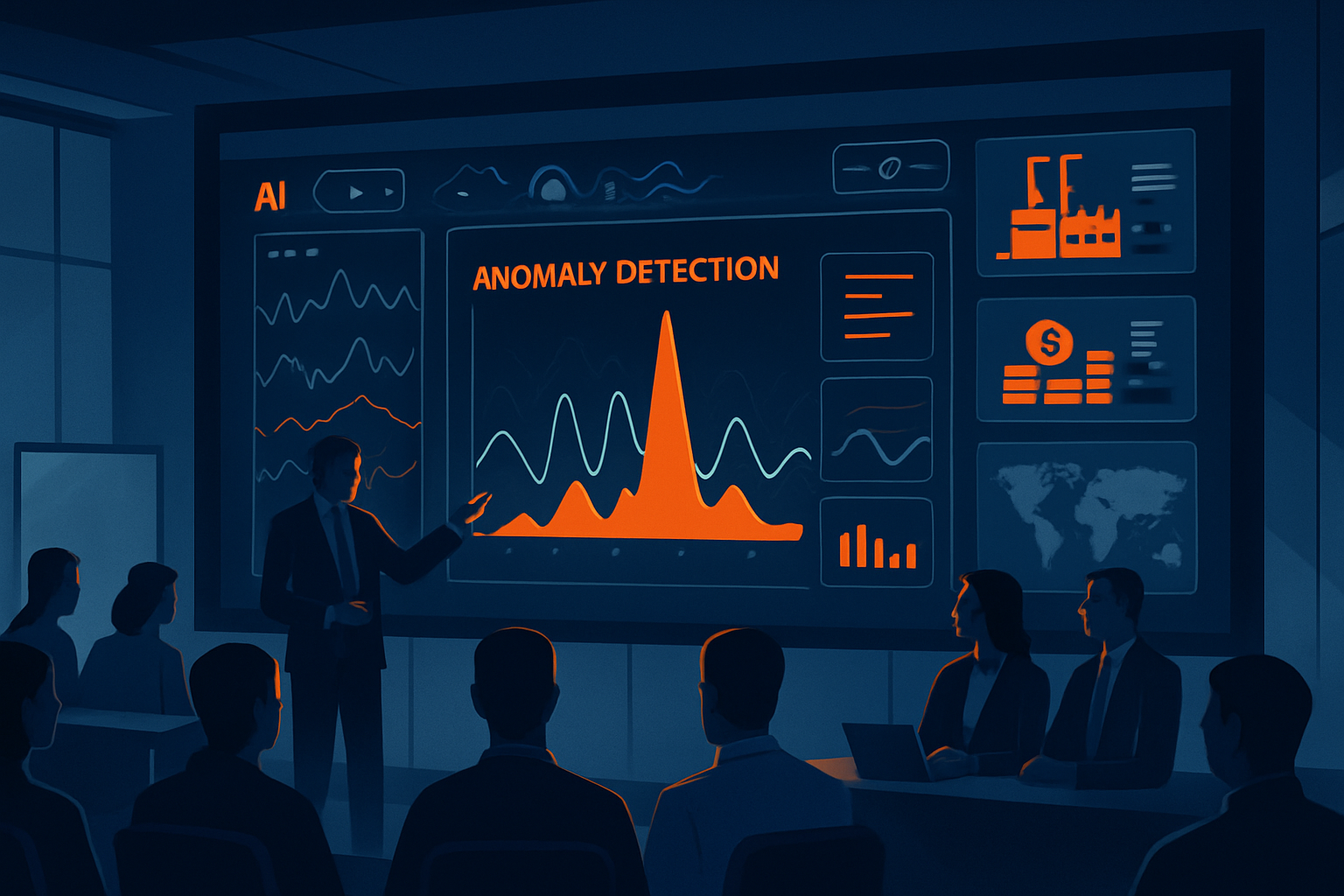
AI enables the analysis of large amounts of data in real time, facilitating decision-making. Machine learning algorithms can detect patterns and anomalies, helping businesses respond quickly to the unexpected. According to studies, integrating AI can lead to operational cost reductions of up to 30%, a compelling argument for executives. Automating repetitive tasks with AI frees up time for employees to focus on higher-value missions.
Sector Deployment and Adoption Dynamics
AI-based resource management systems and predictive analytics platforms are increasingly present in sectors such as manufacturing, finance, and logistics. According to one study, 75% of companies are considering adopting AI tools to improve their operations. The integration of AI into control functions is already visible, as companies seek to optimize their efficiency and further personalize their services to meet customer expectations. This ability to adapt quickly is presented as a key success factor in a competitive environment. Digital transformation is accelerating, making the integration of AI into process control a major challenge for businesses.
Brief IA — L'actualité IA en français
L'essentiel de l'actualité de l'intelligence artificielle, décrypté et expliqué chaque jour.