Harness and Loop Engineering: Avoiding Confusion in 2026
Le brief IA que les pros lisent chaque soir
Les 7 actus IA du jour, décryptées en 5 min. Gratuit.
Inclus dès l'inscription : notre sélection des meilleurs guides & comparatifs IA.
Choisis ton rythme
Gratuit · Pas de spam · Désabonnement en 1 clic
Teams working on artificial intelligence in 2026 often face challenges due to the confusion between two key disciplines: harness engineering and loop engineering. These two approaches play a crucial role in building AI agents, but a misunderstanding of them can lead to significant issues.
Harness Engineering
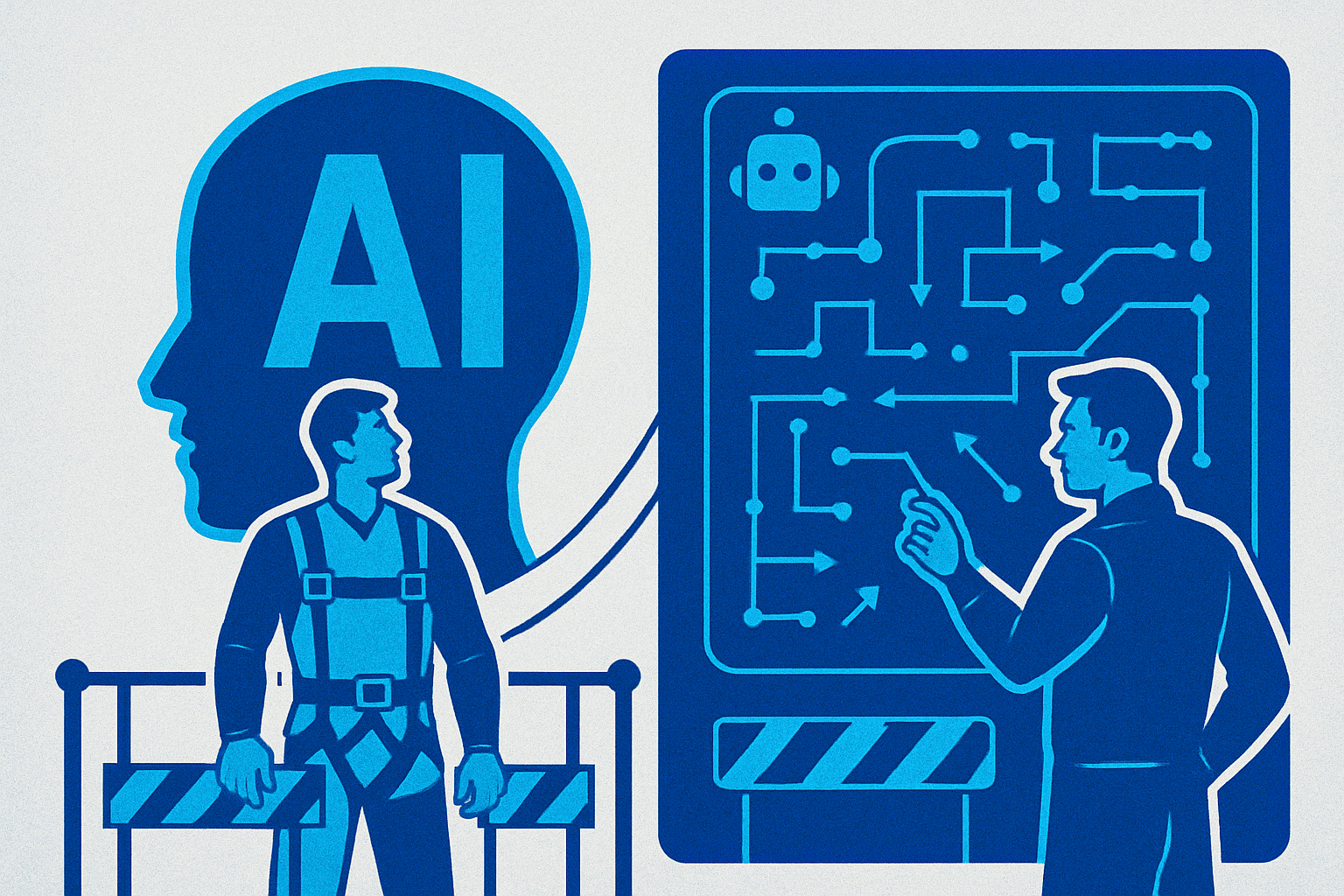
Harness engineering aims to surround the AI model with mechanisms that ensure its safety and reliability. This includes the use of tools, safety barriers, deterministic checks, permissions, and observability systems. The primary goal is to make undesirable behaviors structurally difficult to occur.
Loop Engineering
In contrast, loop engineering focuses on creating a planning and navigation system. This system is responsible for determining the work to be done, when to stop, and how to persist the state between executions. This is a crucial aspect for ensuring the continuity and autonomy of AI agents.
Problems Caused by Confusion
The confusion between these two disciplines can lead to specific failures. A weak harness can result in dangerous behaviors, while a weak loop makes agents fragile and reliant on human intervention to continue functioning.
Decision Framework
To avoid these problems, it is essential to correctly diagnose which discipline is lacking in a project. The article emphasizes that most production issues stem from the absence of one of these two disciplines, rather than both simultaneously.
Brief IA — L'actualité IA en français
L'essentiel de l'actualité de l'intelligence artificielle, décrypté et expliqué chaque jour.