Hollywood and AI: Tribeca Unveils Limits and Hidden Potential
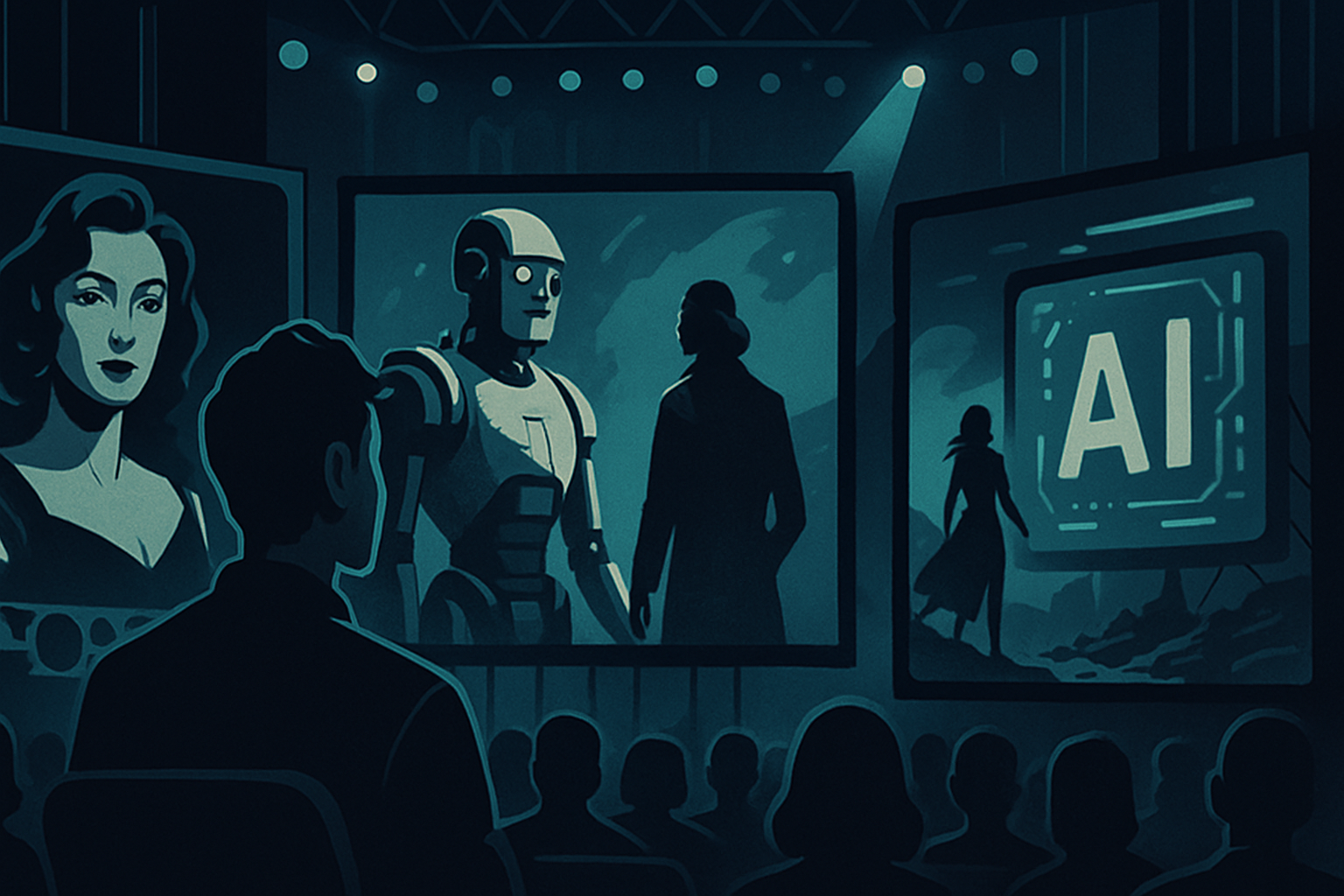
The film industry is buzzing with the promises of generative AI, but the current results seem disappointing. Despite the enthusiasm for this technology, few AI-driven projects are genuinely capturing public interest. Current video models often produce only short, incoherent sequences, and some major partnerships with Hollywood have failed, highlighting the limitations of Silicon Valley solutions.
At the Tribeca Film Festival, several projects illustrated these challenges. "Roar," a short film from Illuminai Studios, and "ChikaBOOM!" from Asteria Film Co. showcased the difficulties in creating coherent and captivating works with AI. These films suffer from obvious technological limitations, contrasting with more successful projects like "Dear Upstairs Neighbors" and "Mauvais Soleil" from OpenAI.
"Dear Upstairs Neighbors," directed by Connie Qin He in collaboration with Google DeepMind, stands out for its innovative approach. This short film tells the story of Ada, a woman disturbed by the noise from her neighbors. Márcia Mayer, who plays Ada, also produced the film. Thanks to custom AI models, the team was able to create a unique visual universe, incorporating conceptual illustrations by Yingzong Xin. The Veo and Imagen models, tailored for this project, helped overcome stylistic challenges. However, traditional animation was necessary to structure the narrative. The team used Autodesk Maya to create rough animations, which were then refined with Veo to achieve a polished visual rendering.
Le brief IA que les pros lisent chaque soir
Les 7 actus IA du jour, décryptées en 5 min. Gratuit.
Inclus dès l'inscription : notre sélection des meilleurs guides & comparatifs IA.
Choisissez votre rythme
Gratuit · Pas de spam · Désabonnement en 1 clic
This film demonstrates how AI can be a powerful tool for artists, provided it is used strategically and in complement to human creativity. Standard models are insufficient for ambitious projects, but bespoke collaborations, like that of Google, could open new avenues for cinema.
In conclusion, the future of Hollywood does not lie in the brute use of generative AI, but in strategic partnerships with tech companies to develop solutions tailored to the creative needs of artists.
Brief IA — L'actualité IA en français
L'essentiel de l'actualité de l'intelligence artificielle, décrypté et expliqué chaque jour.