Google DeepMind: AGI Could Transform Humanity by 2030
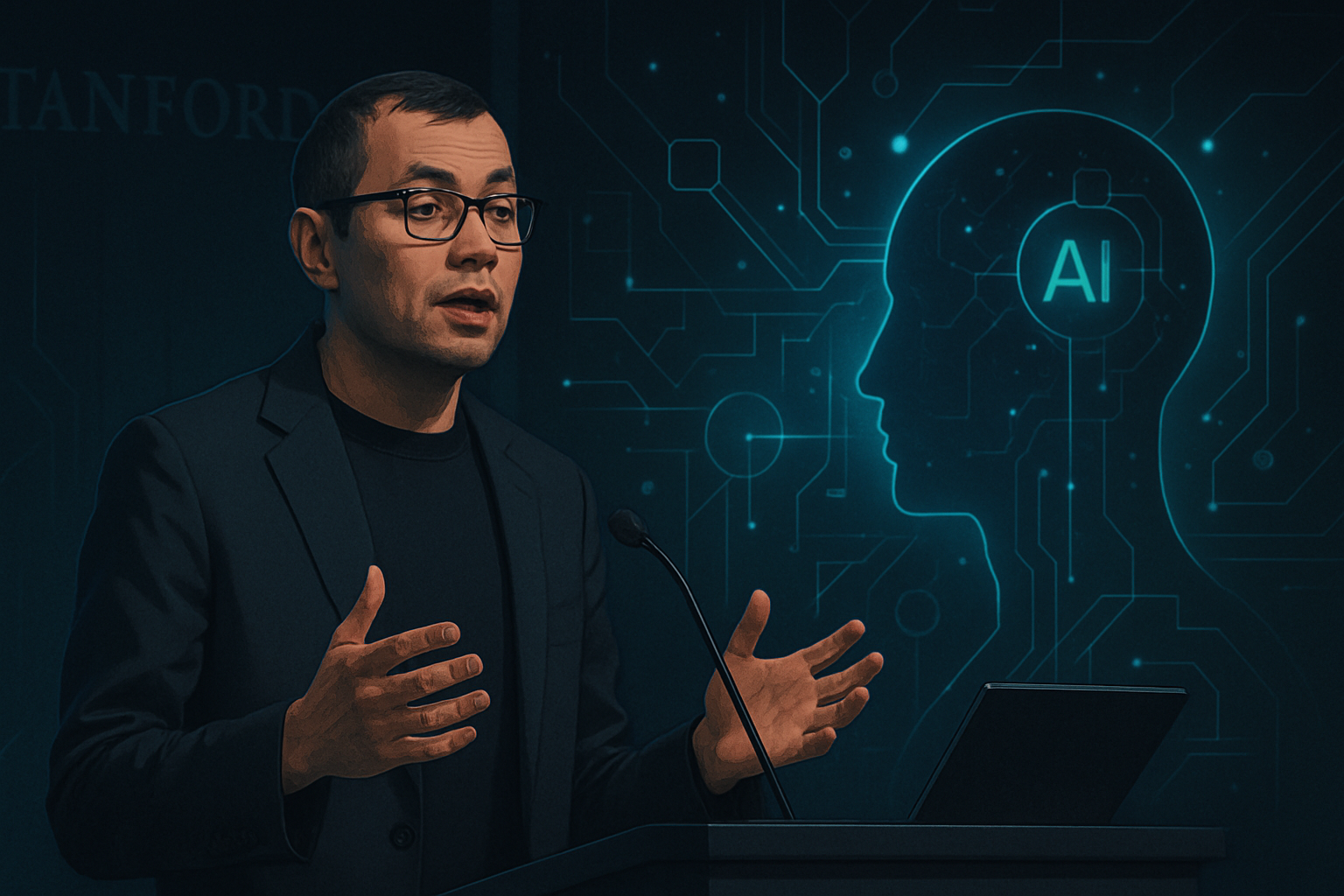
The CEO of Google DeepMind, Demis Hassabis, recently shared his vision of a near future where artificial general intelligence (AGI) could disrupt our society. During a discussion at the Stanford Graduate School of Business, Hassabis estimated that AGI could become a reality by 2030, with a margin of error of one year. This technological advancement could mark the beginning of a new human era, comparable to the singularity, a point of no return in technological progress.
Hassabis emphasized that AGI could transform our world into a "post-scarcity world," an idea supported by futurists like Elon Musk. He stressed the urgency for humanity to prepare for these imminent changes, particularly for students in the humanities and STEM, who must adapt and invest in this technology.
Le brief IA que les pros lisent chaque soir
Les 7 actus IA du jour, décryptées en 5 min. Gratuit.
Inclus dès l'inscription : notre sélection des meilleurs guides & comparatifs IA.
Choisissez votre rythme
Gratuit · Pas de spam · Désabonnement en 1 clic
The implications of AGI are vast. Industry figures, such as Sam Altman from OpenAI and Dario Amodei from Anthropic, have expressed concerns about the disappearance of many jobs, particularly entry-level office positions, within the next five years. While some leaders have tempered their alarmist predictions, Hassabis warned that society has a narrow window to prepare for these transformations.
According to Hassabis, AGI could unlock medical breakthroughs and lead to a major economic transformation. He also noted that some of his peers in the industry are "much too certain" of their predictions. He called for a collective awareness of the importance of these developments, emphasizing that the future remains to be written, but the coming years will be crucial in determining the direction this new technological era will take.
Brief IA — L'actualité IA en français
L'essentiel de l'actualité de l'intelligence artificielle, décrypté et expliqué chaque jour.