Microsoft: Brad Smith Warns About AI and Generation Z
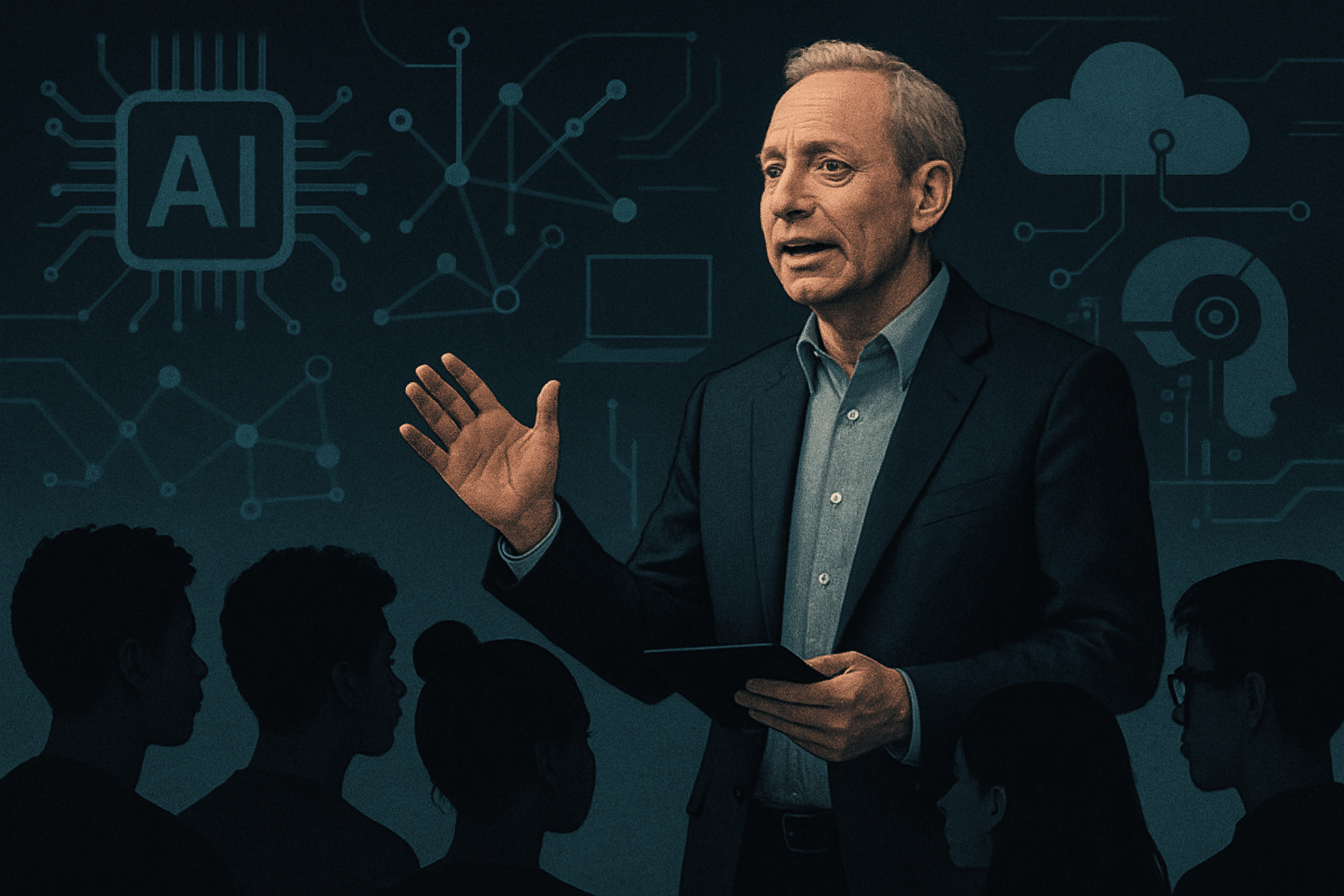
Brad Smith Calls for Awareness Among Tech Leaders
Brad Smith, president of Microsoft, recently highlighted the importance of listening to Generation Z's concerns about artificial intelligence (AI). During a speech, he emphasized that university students' protests against AI should serve as a wake-up call for tech companies in Silicon Valley. Smith insisted that young graduates are right to worry about the potential impact of AI on entry-level jobs.
In a blog post published on Wednesday, Smith expressed that the reaction of students, who are about to enter the job market, regarding AI should be taken as a serious warning for the tech sector. "To those in the tech industry who seem intent on pursuing a future where computers replace jobs, and where AI becomes more capable than humans, the next generation has offered a compelling response: 'Not so fast,'" he wrote.
The Growing Backlash from Generation Z Against AI
The growing backlash from Generation Z against AI is a phenomenon that is gaining traction. For several years, tech leaders have presented AI as a transformative force while warning about its potential impact on employment. Dario Amodei, CEO of Anthropic, stated last year that AI could eliminate half of entry-level jobs. Meanwhile, Mustafa Suleyman, CEO of Microsoft AI, claimed that IT work could be fully automated by AI within 12 to 18 months.
Le brief IA que les pros lisent chaque soir
Les 7 actus IA du jour, décryptées en 5 min. Gratuit.
Inclus dès l'inscription : notre sélection des meilleurs guides & comparatifs IA.
Choisissez votre rythme
Gratuit · Pas de spam · Désabonnement en 1 clic
In light of these prospects, university graduates, often concerned about these jobs, have expressed their discontent, particularly during graduation speeches where figures like former Google CEO Eric Schmidt were booed for their positive vision of AI.
An Evolving Tech Discourse
In his article, Smith acknowledged the students' concerns, noting that current graduates are facing the automation of tasks by AI in their first jobs, as well as pressure from companies that are downsizing while heavily investing in AI.
Recently, tech leaders have begun to change their tone, placing greater emphasis on productivity gains rather than job losses. Figures like Sam Altman, CEO of OpenAI, and Alex Karp, CEO of Palantir, who had previously warned about the risks of job replacement by AI, are now highlighting how it can enhance employee efficiency.
An Optimistic Yet Cautious Outlook
While Smith has not been among the most alarmist voices regarding job loss due to AI, his message aligns with the more optimistic discourse emerging from Silicon Valley. "AI is often at its best when we use it to enhance existing human capabilities and efforts," he asserted. However, he also cautioned against premature panic, emphasizing that AI could become one of the most important technologies of the next 25 years, but that leaders often overestimate the speed of its impact.
Smith concluded by reminding that tech leaders tend to overestimate the arrival of new technologies and underestimate human capabilities, calling for a balanced approach to the advancements of AI.
Brief IA — L'actualité IA en français
L'essentiel de l'actualité de l'intelligence artificielle, décrypté et expliqué chaque jour.