AI and Synthetic DNA: A Unified Front Against Bioweapons
A Call for Unity in the AI Industry
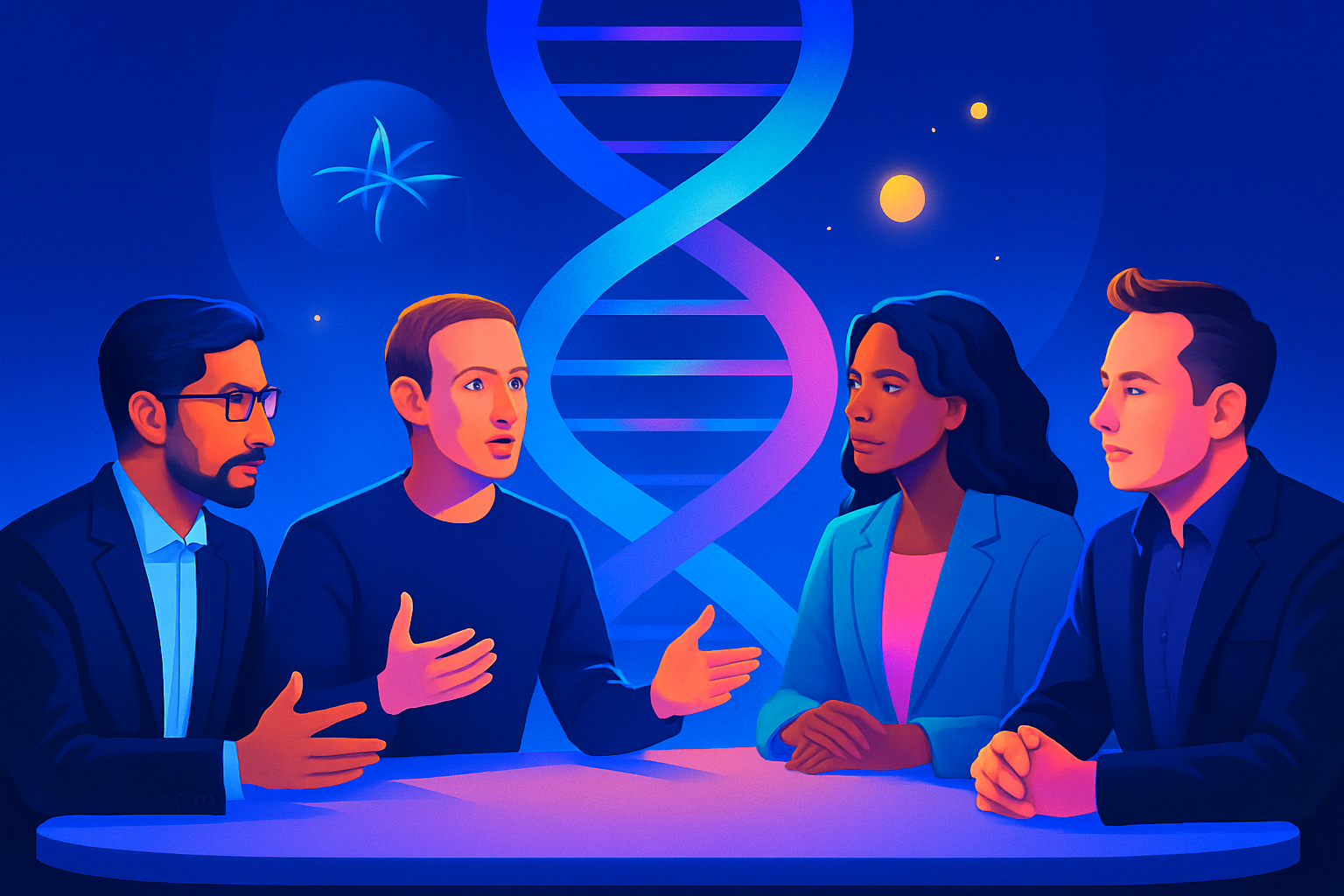
Prominent figures in the artificial intelligence industry, often divided by rivalries and conflicts, are finding common ground on a crucial issue: AI should not be used to create biological weapons. This week, CEOs from some of the most influential companies in the AI field signed a public letter urging governments to take action against the risks posed by malicious actors using their technology.
A Letter to Encourage Legislative Action
The letter, signed by Sam Altman of OpenAI, Dario Amodei of Anthropic, Alexandr Wang of Meta, Mustafa Suleyman of Microsoft AI, Demis Hassabis of Google DeepMind, along with other scientists and leaders from AI labs, calls on Congress to pass laws to improve the tracking of synthetic DNA sequences. These sequences could be used to create biological weapons, and the letter proposes legislation requiring companies selling synthetic DNA and manufacturers of synthesis machines to thoroughly vet "concerning sequences" and ensure the legitimacy of customers before shipping orders.
Le brief IA que les pros lisent chaque soir
Les 7 actus IA du jour, décryptées en 5 min. Gratuit.
Inclus dès l'inscription : notre sélection des meilleurs guides & comparatifs IA.
Choisissez votre rythme
Gratuit · Pas de spam · Désabonnement en 1 clic
AI and the Growing Threat to Biological Security
The letter, also signed by leaders in the synthetic DNA industry and national security experts, emphasizes that AI amplifies the threat of risks to biological security. "While the problem is not new, the pace of advancements in artificial intelligence is," the letter states. It specifies that AI systems now outperform PhD-level virologists on questions concerning highly technical laboratory procedures in their own areas of expertise. AI systems are rapidly improving, and alongside the incredible benefits for science and medicine, there is a real risk that the knowledge barriers that have historically prevented malicious actors from obtaining biological weapons are significantly eroding.
A Shared Urgency for Decisive Action
The letter expresses a distinct sense of urgency, calling on lawmakers to implement safeguards swiftly. "This is a rare moment of agreement among stakeholders who often disagree," it reads. "We hope that policymakers will respond with decisive actions." This convergence of views among leaders who are often at odds underscores the importance and urgency of a legislative response to prevent the growing risks associated with AI and biotechnology.
Brief IA — L'actualité IA en français
L'essentiel de l'actualité de l'intelligence artificielle, décrypté et expliqué chaque jour.