Linus Torvalds Defends AI and Challenges Skeptical Programmers
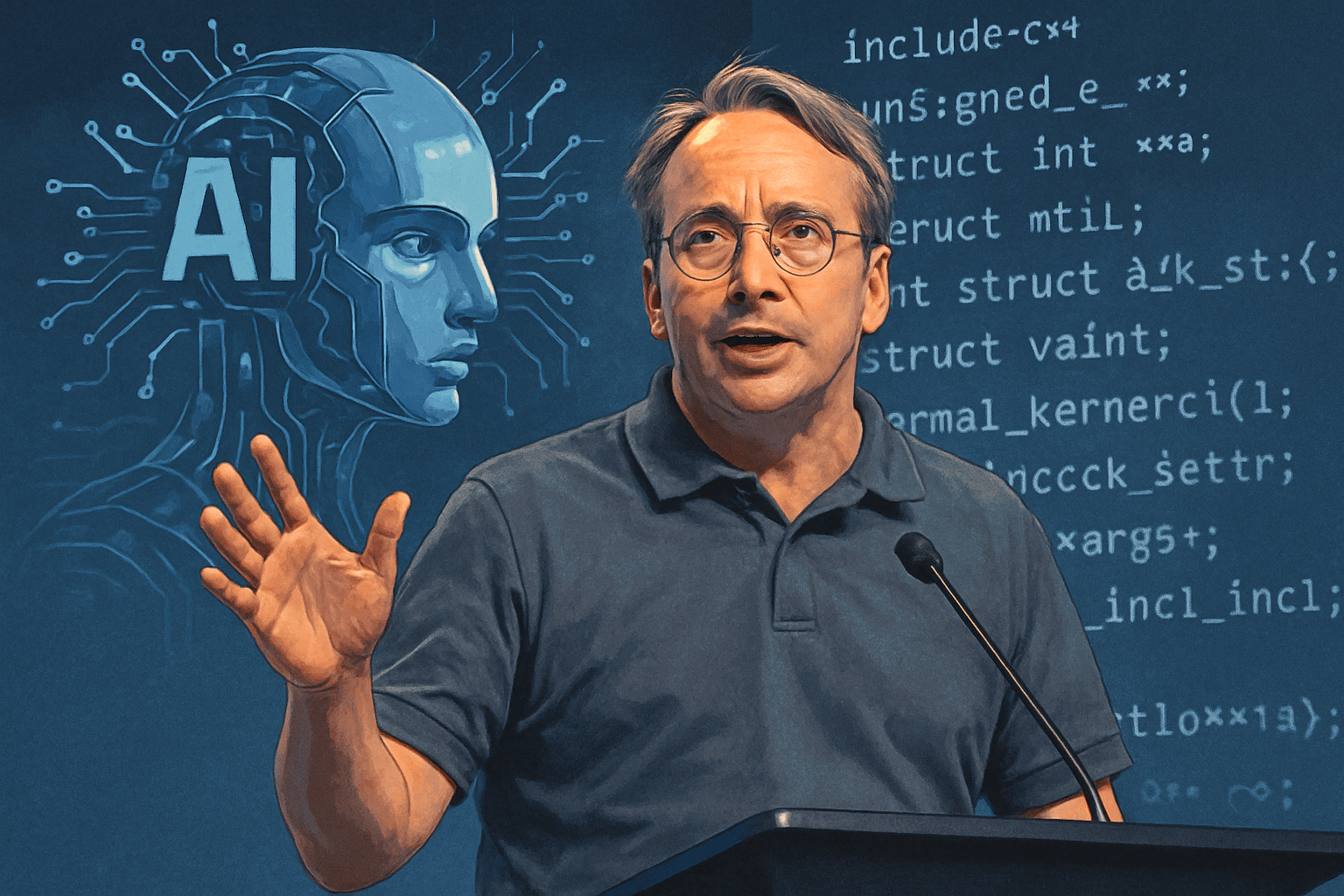
Linus Torvalds Defends the Use of AI in Linux
Linus Torvalds, the renowned creator of the Linux operating system, has recently expressed his unwavering support for the integration of artificial intelligence (AI) in the development of the Linux kernel. During a discussion on the Linux Kernel Mailing List (LKML), Torvalds made it clear: those who oppose the use of AI in this context are encouraged to create their own version of the project, in other words, to "fork."
Torvalds views AI as a tool among others, essential and effective for the development of Linux. He acknowledges that some projects, such as the programming language Zig, have chosen to categorically reject AI-generated code. However, Torvalds remains convinced that AI has a crucial role to play in the continuous improvement of Linux.
A Firm Stance on AI
Torvalds stated that he understands some people may have reservations about AI, but he is ready to defend its use as the main steward of the project. According to him, AI has evolved, and the reports it generates are now of better quality, which justifies its integration.
Greg Kroah-Hartman, who oversees the stable version of the Linux kernel, also highlighted the improvement in security reports produced by AI. He mentioned that since the introduction of advanced models in 2026, such as the Anthropic Claude Opus 4.8, AI-assisted programming has made significant strides.
Le brief IA que les pros lisent chaque soir
Les 7 actus IA du jour, décryptées en 5 min. Gratuit.
Inclus dès l'inscription : notre sélection des meilleurs guides & comparatifs IA.
Choisis ton rythme
Gratuit · Pas de spam · Désabonnement en 1 clic
Ongoing Challenges of AI
Torvalds admits that AI is not without flaws and can sometimes pose problems. However, he emphasizes the importance of not ignoring these tools, but rather ensuring that they support maintainers instead of complicating their work.
He also clarified that he will not force anyone to use AI, but he will not pay attention to those who seek to dissuade others from adopting it.
Reactions and Debates Surrounding AI
This stance comes amid lively discussions among Linux developers, particularly following the statement from the Software Freedom Conservancy (SFC) regarding the use of generative AI systems. The SFC recommends "best practices" for the use of AI in open source projects, encouraging support for those who reject these systems.
Theodore "Ted" Ts'o, one of the leading maintainers of the Linux kernel, expressed his concerns about this position, questioning whether it implies giving up automated technologies if a contributor opposes them.
Conclusion and Perspectives
Other influential Linux kernel developers, such as James Bottomley, have argued that contributors should not have the power to dictate the tools used by maintainers to evaluate and apply fixes. Torvalds concluded by reaffirming that the Linux community prioritizes technological improvement through open source rather than ideological considerations.
Brief IA — L'actualité IA en français
L'essentiel de l'actualité de l'intelligence artificielle, décrypté et expliqué chaque jour.