MCP Becomes Stateless, But the Scheme Grows by About 48%
Le brief IA que les pros lisent chaque soir
Les 7 actus IA du jour, décryptées en 5 min. Gratuit.
Inclus dès l'inscription : notre sélection des meilleurs guides & comparatifs IA.
Choisis ton rythme
Gratuit · Pas de spam · Désabonnement en 1 clic
Published on July 28, 2026, the Model Context Protocol transitions to statelessness and removes 13 of its 31 methods. An audit of three schema revisions, however, reveals an increase of approximately 48%, driven by a metadata envelope and more documentation. Tasks are moving out of the core towards an extension, and old calls are already being rejected on modern servers. Payloads are growing with requests, against operational gains, and recommendations specify when to remain on legacy, switch to dual, adopt the new, or migrate urgently, with an audit script to measure bandwidth impact.
Migration: Tasks in extension and old task calls rejected
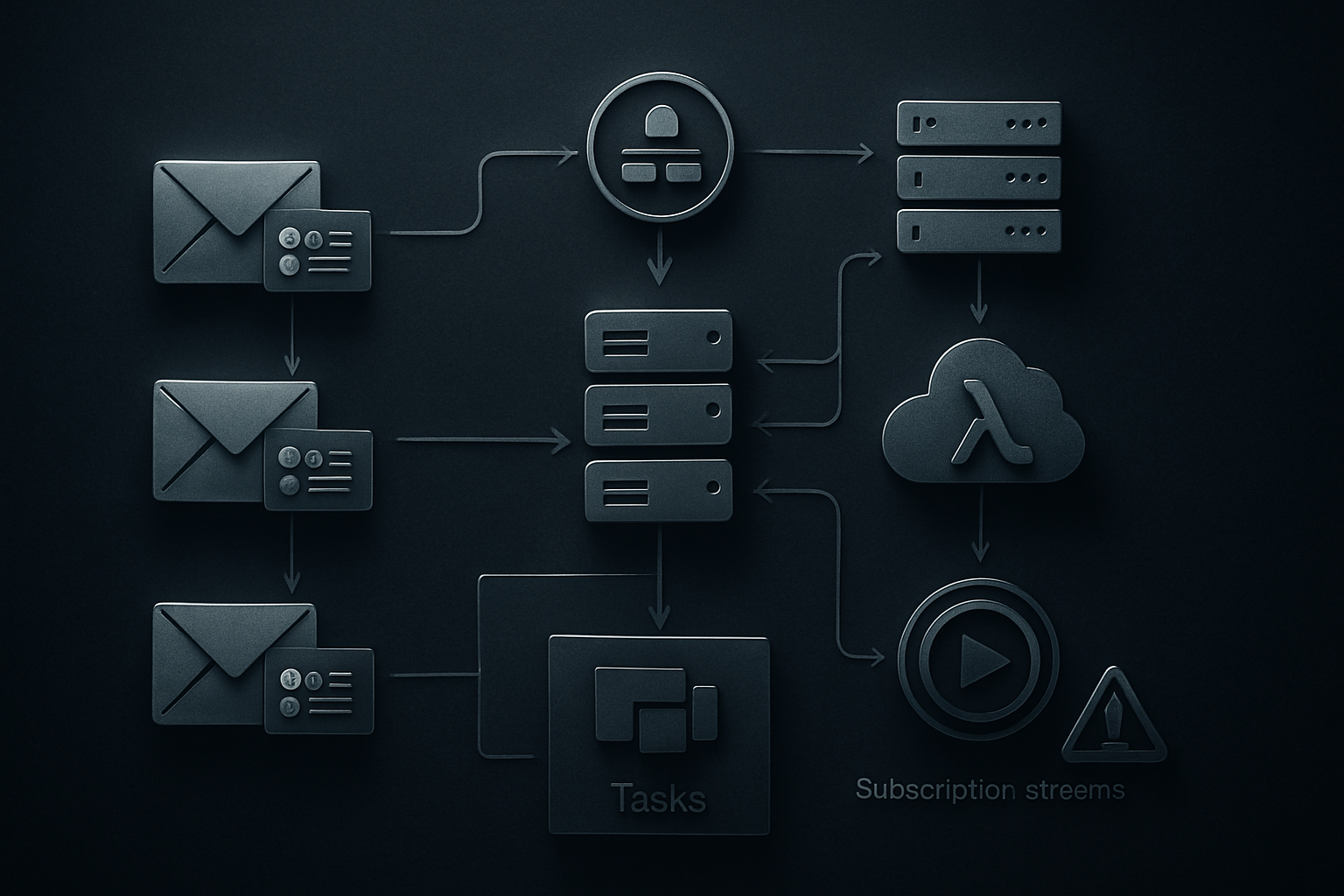
Tasks are leaving the core of the protocol to become an extension, and modern servers are already rejecting the old task methods. Recommendations urge an urgent migration when an integration depends on these Tasks. They present several paths: stay on legacy, serve both eras in parallel, or adopt only the modern version. An audit script is proposed to quantify the actual effect on the bandwidth of a workload before making a decision.
Rising cost per request, against easier deployment and load balancing
The introduction of a metadata envelope increases payloads and raises the cost per request. In return, the protocol aims for operational gains: stateless deployment and simpler load balancing.
Technical overhaul: more sessions, metadata per message, and new calls
The protocol becomes stateless: the handshake initialization disappears along with sessions. Servers can hide behind a simple round-robin or operate in a serverless mode that forgets everything between two invocations. Handshake functions now reside in message metadata, which includes the protocol version and client capabilities. Some features switch to opt-in or become obsolete. Subscriptions are rebuilt around client-driven listening streams, replacing unsolicited pushes from the server. A cache-oriented discovery call appears, and new types of errors reflect what was once guaranteed by the handshake. Thirteen of the thirty-one methods disappear, but an audit conducted on three revisions finds an approximate 48% growth in the schema, linked to the required documentation and metadata envelope. The stateless version was released on July 28, 2026.
Brief IA — L'actualité IA en français
L'essentiel de l'actualité de l'intelligence artificielle, décrypté et expliqué chaque jour.