MCP for LLM: Increased Control and Debate on Creativity
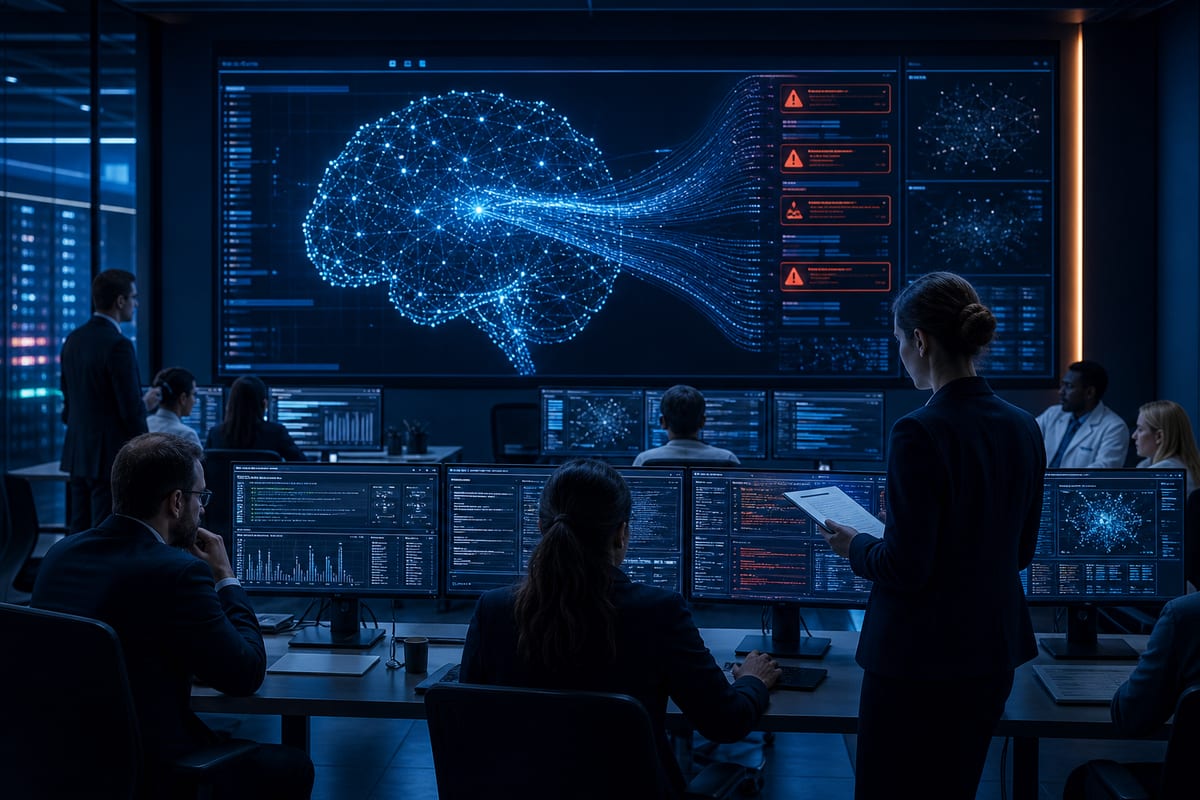
Language models are gaining momentum and are being integrated into critical applications, reigniting questions about compliance with guidelines. Competence servers (MCP) promise to frame their responses in real-time. Studies suggest that these systems can reduce inappropriate responses by up to 30%. The challenge remains to articulate security, creativity, and deployment requirements from the design phase.
Concerns About Creativity and the Pace of Innovation
Critics argue that an excessive reliance on competence servers could stifle the creativity of models and diminish their autonomy. They fear that perceived excessive controls could hinder innovation in artificial intelligence. The requirement to integrate these mechanisms from the architecture of products could, in turn, slow down innovation cycles. Meanwhile, the impact of these systems is seen as significant for the sector, as they influence the way applications based on LLMs are conceived and deployed.
How MCPs Frame Model Responses
Competence servers are designed to monitor and control the behavior of LLMs, incorporating regulatory algorithms tasked with examining the results produced by the models in real-time. They rely on reinforcement learning as well as neural networks to assess the relevance and safety of responses. These systems allow for the establishment of protocols designed to block the generation of harmful or misleading content, using verification and validation mechanisms aimed at further securing interactions. Studies report that they can reduce inappropriate responses by 30%, a decrease presented as enhancing reliability in sensitive contexts.
Le brief IA que les pros lisent chaque soir
Les 7 actus IA du jour, décryptées en 5 min. Gratuit.
Inclus dès l'inscription : notre sélection des meilleurs guides & comparatifs IA.
Choisissez votre rythme
Gratuit · Pas de spam · Désabonnement en 1 clic
Requirements in Sensitive Sectors and for Businesses
In healthcare, finance, or education, where a mistake can have serious consequences, the guarantees promised by these controls are deemed crucial. By enforcing guidelines, these systems would help bolster trust in technologies increasingly integrated into critical applications. For businesses, the pursuit of automation falls within strict ethical and regulatory frameworks, necessitating the consideration of these mechanisms from the design and development stages of products. A proactive approach is presented as potentially leading, in the long term, to more robust and reliable solutions.
Towards Common Frameworks and a Control–Freedom Balance
Supportive experts see these devices as a necessary step for the safety and ethics of LLMs. Stakeholders in the field deem it essential to find a balance between regulation and the freedom of action of models, enhancing collaboration between researchers and developers to refine controls without sacrificing the ability to produce creative and relevant responses. Discussions on ethical standards and best practices are multiplying, while controlling the behaviors of LLMs through these servers is presented as a major challenge. Ensuring secure integration into critical applications ultimately requires that companies, researchers, and regulators establish frameworks that reconcile innovation, security, and ethics, commensurate with the role of LLMs and the questions surrounding their compliance.
Brief IA — L'actualité IA en français
L'essentiel de l'actualité de l'intelligence artificielle, décrypté et expliqué chaque jour.