Claude Code: Optimize Your Prompts with Opus and Sonnet
Le brief IA que les pros lisent chaque soir
Les 7 actus IA du jour, décryptées en 5 min. Gratuit.
Inclus dès l'inscription : notre sélection des meilleurs guides & comparatifs IA.
Choisis ton rythme
Gratuit · Pas de spam · Désabonnement en 1 clic
Users of AI models Claude, such as Opus 4.7, Sonnet 4.6, and Haiku 4.5, can leverage specific techniques to optimize the efficiency of their prompts. These practices are essential for maximizing performance while controlling costs.
Calibrating Model Effort
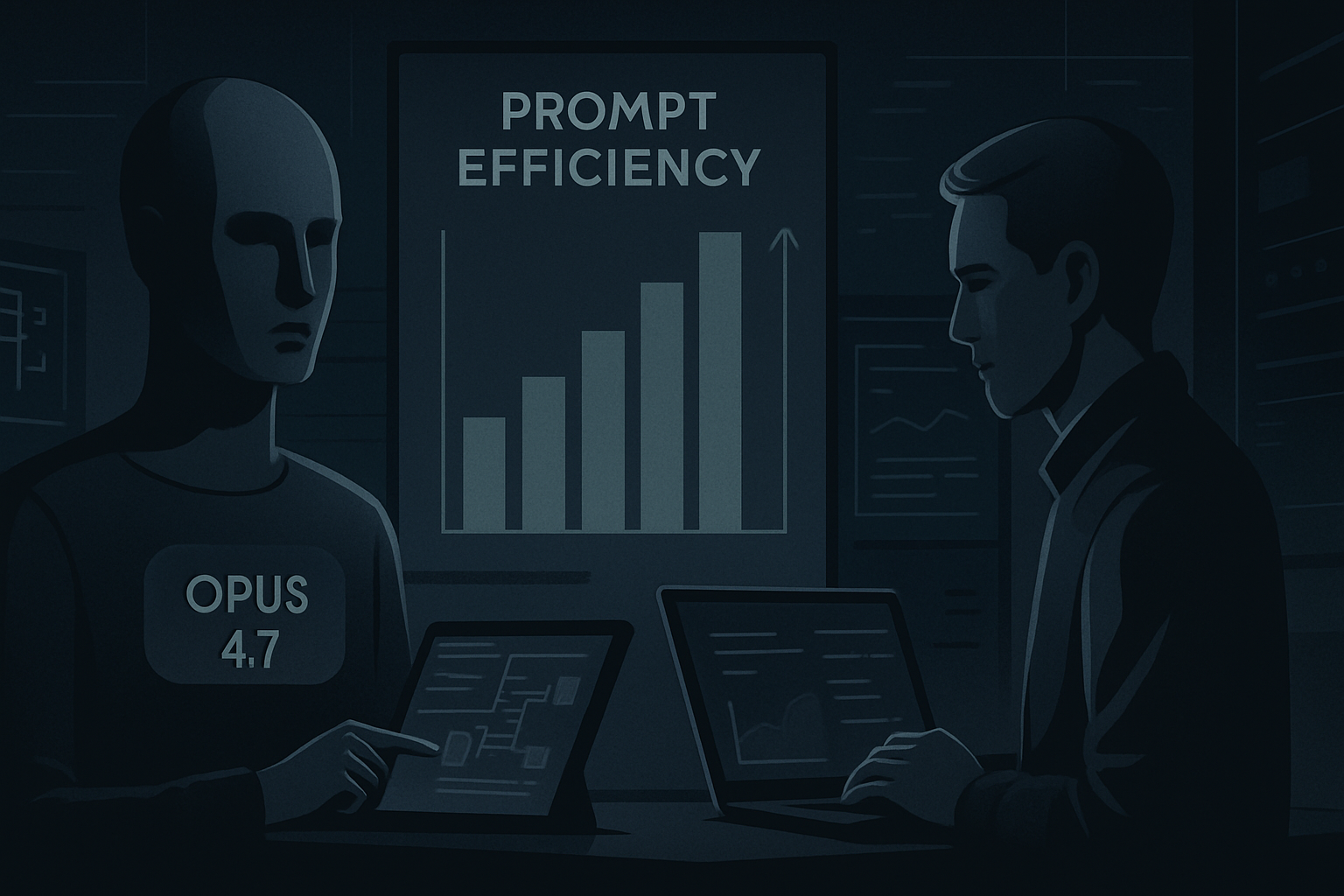
Before drafting a prompt, it is crucial to calibrate the model's effort. Claude Code offers an effort parameter for the Opus and Sonnet models, allowing users to adjust intelligence based on token expenditure. This feature enables a trade-off between capabilities for increased speed and reduced costs. For instance, during prototyping, Opus 4.7 can be used with an xhigh effort for initial planning, while Sonnet 4.6, with a high effort, is ideal for refinement and validation.
Calibrating Depth of Thought
In addition to effort, depth of thought is another aspect to consider. Although Claude Code does not provide a direct adjustment for this parameter, it is equally important for tailoring the model to users' specific needs. These adjustments help better align the model's capabilities with project requirements, ensuring optimal resource utilization.
Brief IA — L'actualité IA en français
L'essentiel de l'actualité de l'intelligence artificielle, décrypté et expliqué chaque jour.