Meta launches Muse Gadgets and offers a home dongle to 5,000 users
Le brief IA que les pros lisent chaque soir
Les 7 actus IA du jour, décryptées en 5 min. Gratuit.
Inclus dès l'inscription : notre sélection des meilleurs guides & comparatifs IA.
Choisis ton rythme
Gratuit · Pas de spam · Désabonnement en 1 clic
Meta pushes its Muse agent off-screen with a USB-C box for the home and an open-source program for tinkerers. 5,000 Muse Home Links have been produced and will be sent out for free to subscribers, while the community is invited to experiment with firmware and SDK to potentially define the future format of AI hardware.
5,000 Muse Home Link products, shipping announced, and offer reserved for subscribers
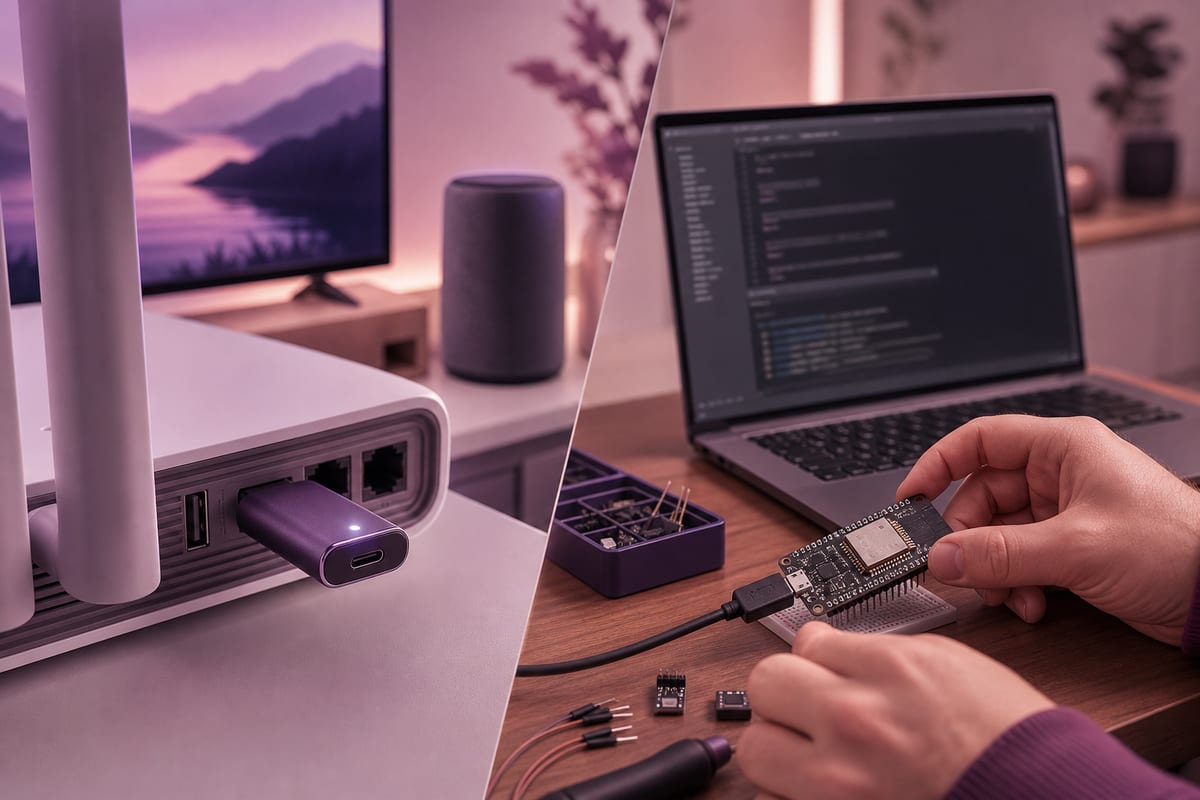
Meta has announced that it has manufactured 5,000 units of its Muse Home Link. These boxes are set to be shipped in the coming weeks and are advertised as free for subscribers to the Muse service, while supplies last. This small device connects Meta's AI agent to the home network and allows control of TVs, speakers, and other equipment with an HTTPS interface.
Gadgets Muse provides ESP32 firmware, Linux SDK, and Apache 2.0 code
The open-source project Gadgets Muse aims to enable the creation of AI hardware by enthusiasts. It includes firmware for ESP32 boards and a Linux SDK to connect homemade devices to Muse. The code is released under the Apache 2.0 license, and a community has formed on Discord to discuss the project.
Meta observes usage while competitors develop their hardware
The open-source approach allows Meta to observe what the community develops, in order to better understand the sought-after formats of AI hardware, as there is still no consensus on their appearance. Apple and OpenAI are also working on their own devices. Meta's Ray-Ban smart glasses are currently considered the most popular AI gadget on the market, and the company also offers its own accessory, Muse Home Link, a small USB-C box.
Brief IA — L'actualité IA en français
L'essentiel de l'actualité de l'intelligence artificielle, décrypté et expliqué chaque jour.