Meta Removes AI from Instagram After Backlash
Meta Retires Controversial Instagram Feature
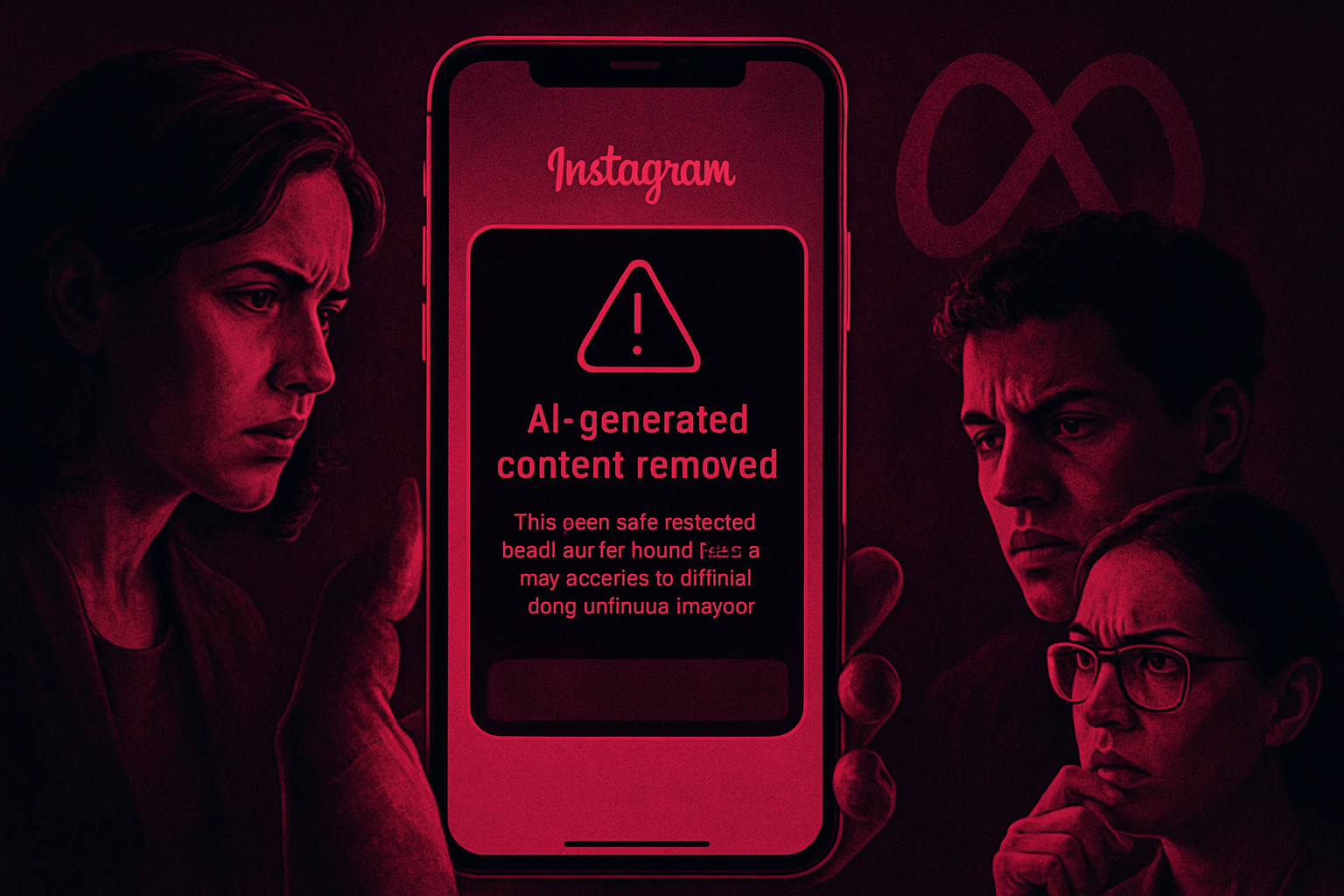
In response to a wave of criticism, Meta has decided to remove a controversial feature from its recent AI update on Instagram. This feature facilitated the creation of deepfakes by allowing users to generate photorealistic images of other people from their public accounts. Meta announced this withdrawal in a blog update, stating that it had taken into account the negative feedback from users.
The week prior, Meta had introduced this feature as part of its massive investment in generative AI, aiming to showcase its potential on Instagram. The AI image model allowed users to "tag" any public account, integrating these individuals into AI-generated images, which sparked a strong public backlash.
Le brief IA que les pros lisent chaque soir
Les 7 actus IA du jour, décryptées en 5 min. Gratuit.
Inclus dès l'inscription : notre sélection des meilleurs guides & comparatifs IA.
Choisis ton rythme
Gratuit · Pas de spam · Désabonnement en 1 clic
Meta had initially offered two options for opting out of this feature, but the fact that users were automatically included by default led to widespread outrage. The SAG-AFTRA union, which advocates for the protection of artists' images against AI misuse, expressed satisfaction with this withdrawal. In a statement, the union described the feature as irresponsible, given the well-known dangers of non-consensual digital replicas.
As AI-generated image and video models rapidly evolve, the line between the real and the virtual becomes increasingly blurred. To help distinguish AI-generated content, tech companies are resorting to invisible watermarks and more visible labels. However, in a content-saturated environment, these measures may prove insufficient. AI tools, such as those available on Instagram for creating and editing images, could even exacerbate this issue.
Brief IA — L'actualité IA en français
L'essentiel de l'actualité de l'intelligence artificielle, décrypté et expliqué chaque jour.