Meta Discontinues Muse Image: Instagram's AI Under Fire
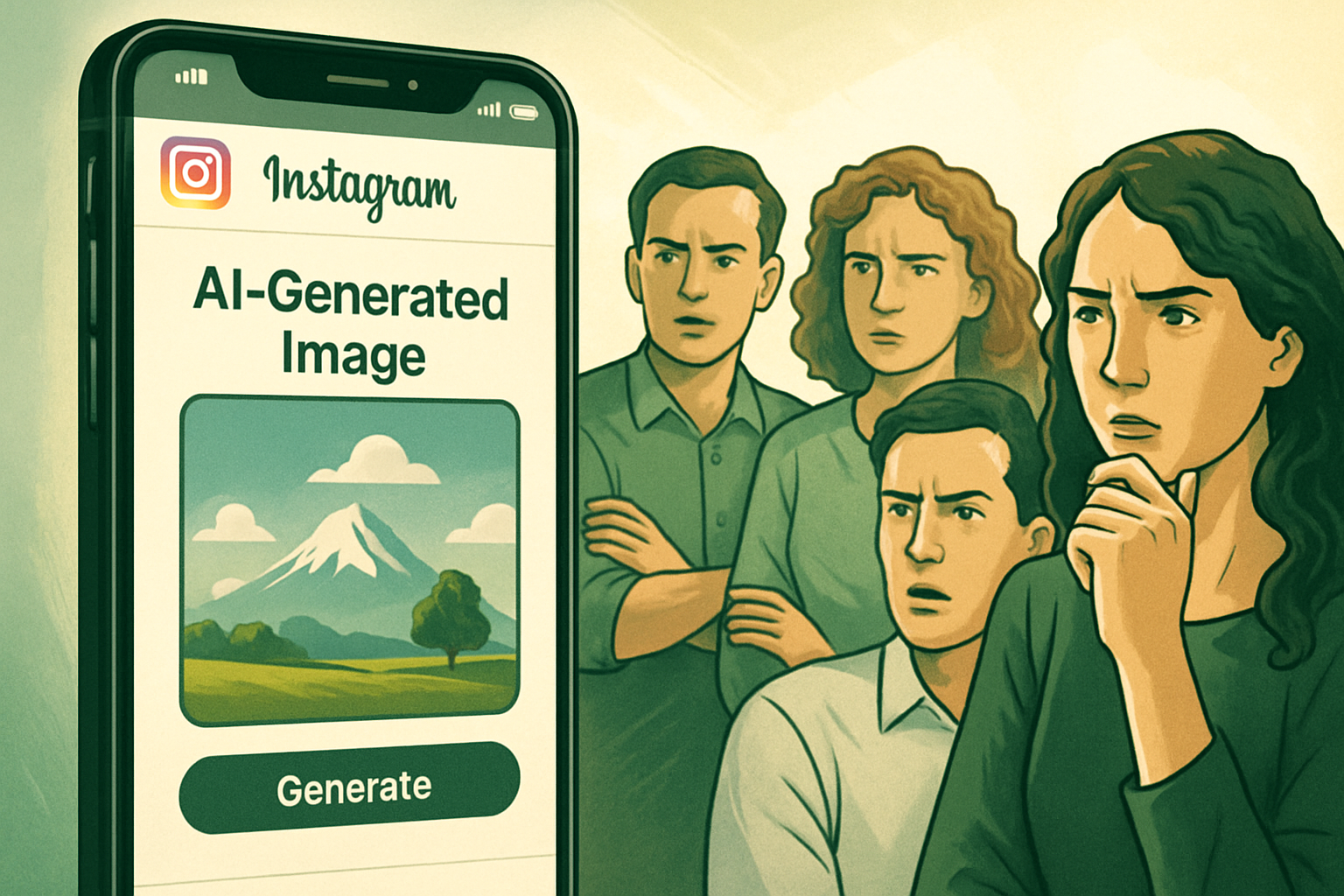
Meta Retires Muse Image After a Tumultuous Week
Meta recently introduced an innovative tool, Muse Image, designed to generate images via artificial intelligence from public posts on Instagram. Launched on Tuesday, the tool quickly sparked a wave of criticism from users and entertainment groups, leading to its hasty withdrawal.
What was supposed to be a standard launch turned into a full-blown communication crisis for Meta. By Friday, the company announced that the feature allowing AI-generated images from public content on Instagram had been suspended. Users had discovered this novelty during the presentation of Muse Image, developed by Meta Superintelligence Labs and accessible through Meta AI.
Meta explained that the initial goal was to provide a creative tool that would allow users to control how their public content could be used. However, in light of the negative feedback, the company decided to retract the feature. Other aspects of Muse Image, such as direct photo editing, remain available.
User Reactions and Privacy Concerns
The reception from Instagram users was particularly critical. Many expressed concerns about their privacy, fearing that this feature could facilitate the creation of deepfake content. On platforms like X and Reddit, advice quickly circulated on how to opt out of this controversial feature.
Privacy advocates, such as Apar Gupta, director of the Internet Freedom Foundation, harshly criticized Meta. In a video posted on X, Gupta condemned what he perceives as a repeated violation of user consent and privacy by Meta, despite the platform's dominance in the social media landscape.
Le brief IA que les pros lisent chaque soir
Les 7 actus IA du jour, décryptées en 5 min. Gratuit.
Inclus dès l'inscription : notre sélection des meilleurs guides & comparatifs IA.
Choisis ton rythme
Gratuit · Pas de spam · Désabonnement en 1 clic
Opposition from Entertainment Groups
The criticism was not limited to individual users. Organizations like SAG-AFTRA, which represents around 160,000 entertainment and media professionals, also voiced their disagreement. The union advised its members to opt out of the feature, emphasizing that explicit consent is essential for the use of Instagram users' images.
In a statement to Business Insider, SAG-AFTRA called the lack of clear consent a serious misjudgment, applauding Meta's decision to withdraw the feature. The union stressed the well-known dangers of non-consensual digital replicas and praised the halt of this reckless feature.
The Position of Talent Agencies
The Creative Artists Agency, representing many celebrities, also criticized Muse Image. The agency highlighted that the use of anyone's name, image, voice, or creative work by third parties, including AI models, requires explicit and documented consent. It advocated for innovation that respects creators' rights and protects their livelihoods.
AI and Artists' Rights
The rise of AI is generating increasing tensions among artists, some fearing that their image or voice may be exploited without their agreement. Public figures like Matthew McConaughey and Jeremy Clarkson have taken steps to protect their likeness from unauthorized use by AI.
Meta is not alone in facing these challenges. OpenAI has also encountered criticism with Sora 2, an AI video generation platform launched in 2025. Although this platform initially allowed the creation of content featuring copyrighted characters, it sparked outrage from studios like Studio Ghibli. Despite a partnership with Disney, Sora 2 was shut down in March, illustrating the ongoing difficulties in reconciling technological innovation with copyright respect.
Brief IA — L'actualité IA en français
L'essentiel de l'actualité de l'intelligence artificielle, décrypté et expliqué chaque jour.