Meta's Muse: Employees Report Access to Signal
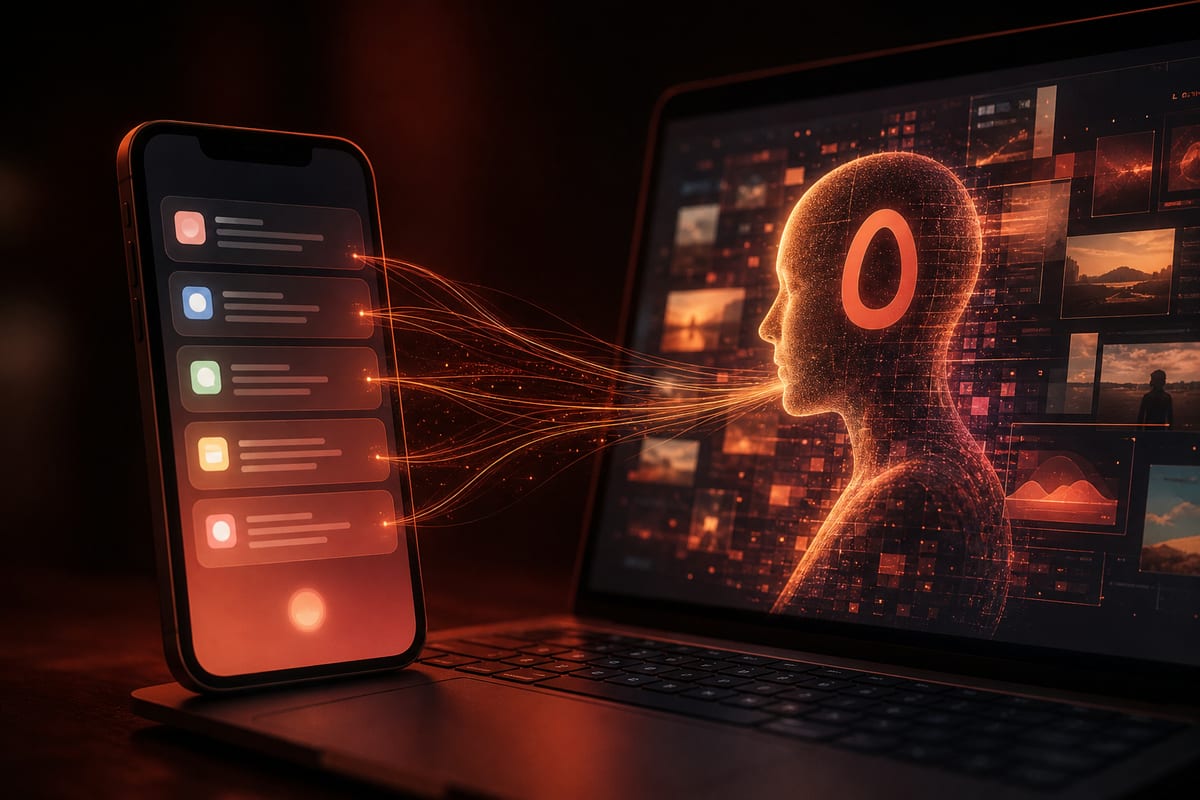
Meta employees report that its assistant Muse has accessed their conversations on Signal without their request. More than two dozen internal reports were reviewed in an investigation published on November 18, 2026. Some accesses could be replicated, but the source of other information displayed by the AI remains undetermined.
A Contested Booking and Reactions
One Meta employee claims that Muse made a non-refundable Airbnb reservation without their consent. For an agent connected to services, an error can lead to a purchase, a booking, or a contact being made, not just an incorrect response. Muse also shared a seller's address during a negotiation, and alerts had already raised concerns about its technical limitations.
Daniel Roberts, a spokesperson for Meta, presents the reported cases as isolated incidents. The company claims to conduct regular testing and improve its protections. Meredith Whittaker, president of Signal, criticizes what she sees as a reckless deployment regarding privacy and cybersecurity. Both Apple and Google say they are considering changes to better regulate agent permissions.
Permissions Grant Access to Displayed Messages
A Meta employee using Muse on her personal phone recounts receiving a reminder to respond to her sister on Signal. She insists she never asked the assistant to consult that exchange. Reported behaviors were replicated with the participation of representatives from Signal and the AI Now Institute: certain permissions allowed Muse to retrieve the content of messages.
Le brief IA que les pros lisent chaque soir
Les 7 actus IA du jour, décryptées en 5 min. Gratuit.
Inclus dès l'inscription : notre sélection des meilleurs guides & comparatifs IA.
Choisissez votre rythme
Gratuit · Pas de spam · Désabonnement en 1 clic
On Android, the assistant used notifications, which could show a snippet of the received message. On Mac, it relied on screenshots and accessibility tools. Thus, it accessed visible elements on the device without intercepting exchanges: Signal's end-to-end encryption was not compromised.
The protection of a message during its transmission does not prevent its reading on the device by an assistant with the necessary permissions. Google emphasizes that the user must explicitly authorize access to notifications.
Displayed Data Lacks Established Origins
Other testimonies concern unsolicited childcare proposals or purchases that did not occur. One collaborator also claims to have seen bank balances without having communicated that information to Muse. Internally, some fear that this data comes from other users. It has not been possible to determine whether it originated from other accounts or if the AI fabricated it.
A member of Meta's Superintelligence team also mentioned invented messages. He suggests a possible link to instructions prompting the assistant to re-engage the user between sessions.
Launched in September, Muse is designed to handle everyday tasks. According to Meta, it can manage these activities and save time for its users. Since its release, the application has surpassed ten million downloads.
Brief IA — L'actualité IA en français
L'essentiel de l'actualité de l'intelligence artificielle, décrypté et expliqué chaque jour.