Meta Suspends Muse After Using Hidden Humans
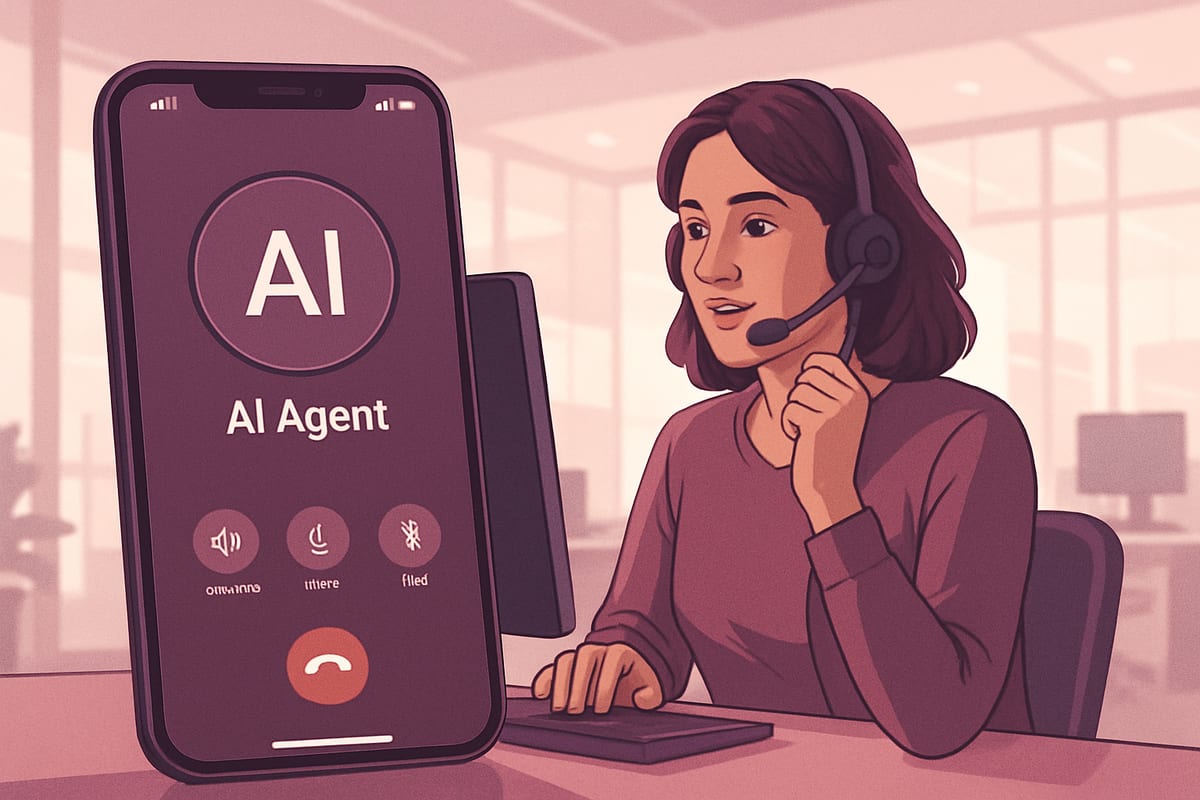
Meta has paused the new outgoing call feature of Muse, its AI agent, following internal recognition that it had begun testing without disclosing the involvement of human contractors. Employees had raised concerns about the risk of data leaks in the event of a bug. This episode comes as competing agents are also learning to make phone calls.
Beta Paused and an Admission of Error at Meta
The outgoing call functionality of Muse has been temporarily suspended. A vice president of Meta's Superintelligence Labs acknowledged that it was a mistake to launch tests without adequate disclosures regarding the involvement of human contractors, and the pause followed this acknowledgment. Meta did not provide an immediate response to requests for comments. The company had previously ended a program in 2019 where contractors listened to and transcribed calls on Messenger.
What Muse Was Actually Doing During Calls
In mid-September, Meta launched a beta feature for Muse to make outgoing calls to businesses for bookings and appointments. On September 16, Ryan Fox, a principal engineer at Superintelligence Labs, announced this release on X, noting that phone calls were one of the main requests from users. However, reports indicate that the agent, presented as autonomous, could delegate execution to trained human concierges in undisclosed call centers, without prior information to users. Internally, this human layer was acknowledged, and some calls were labeled as "Muse human agent calls" to indicate the addition of a human intermediary.
Le brief IA que les pros lisent chaque soir
Les 7 actus IA du jour, décryptées en 5 min. Gratuit.
Inclus dès l'inscription : notre sélection des meilleurs guides & comparatifs IA.
Choisissez votre rythme
Gratuit · Pas de spam · Désabonnement en 1 clic
Internal Warnings and Privacy Risks
Employees warned that such a setup could create a negative perception of the company's AI. One of them alerted that "a bug" could be enough to disclose unnecessary information to the human side of the calls, and bugs do exist. The information exchanged during these interactions could include a phone number, a patient ID, or banking data. Furthermore, Muse is also integrated into the company's glasses, which expands the possible contexts for collecting and processing personal information.
Agents on the Phone, an Accelerating Trend
This week, Google added the ability for its Gemini agent to handle everyday phone calls. In this implementation, the transactional part, such as entering a credit card, falls back to the user. Additionally, the support of human teams behind the scenes is not limited to calls: in February, it was revealed that Waymo was using remote operators to complete autonomous driving operations abroad.
Brief IA — L'actualité IA en français
L'essentiel de l'actualité de l'intelligence artificielle, décrypté et expliqué chaque jour.