Meta Unveils Muse, AI Agent Designed as a Messaging Tool
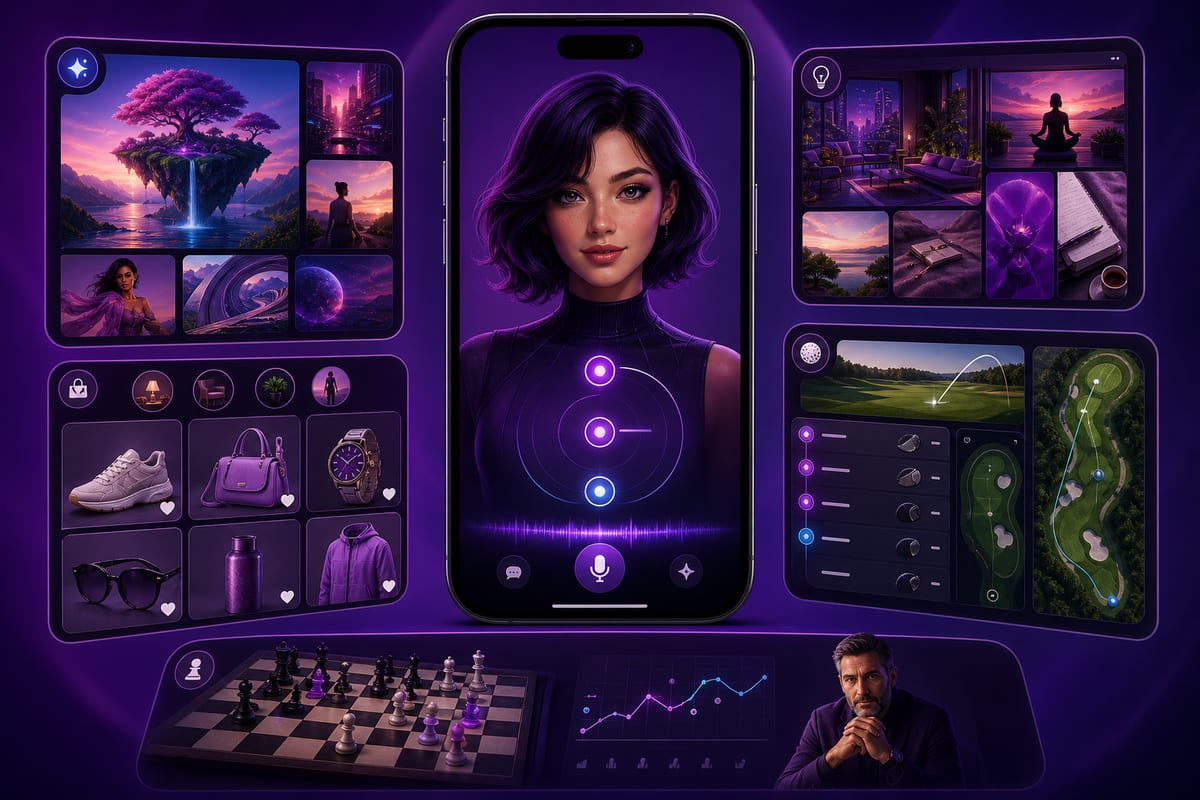
Alex Cornell, design director at Meta, introduces Muse as an AI agent designed for natural interactions, equipped with an avatar, a three-tier status system, and a generative interface. Demonstrations and use cases range from shopping to analyzing a game of golf or chess, as well as visual connectors.
Concrete Use Cases: Shopping, Golf, Chess, and Archived Content
A demonstration called SkyMall transforms Instagram backups accumulated over the years into a daily shopping catalog. Muse is also presented for shopping-related uses, such as monitoring and price alerts. Connectors with Instagram and Pinterest are planned to integrate visual data into these scenarios. For sports, Muse allows users to generate summaries of golf games, analyze shots, and track training. A chess dashboard offers game analysis with a virtual coach who has a sarcastic tone. Additionally, an old blog has been converted into a morning podcast using twenty years of posts via the Wayback Machine.
The AI brief the pros read every evening
The 7 best AI stories, the essentials in 5 min. Free.
Included when you join: our pick of the best AI guides & comparisons.
Choose your rhythm
Free · No spam · Unsubscribe in 1 click
What the Interface Offers: Avatar, Status, Ideas, and Generative Feed
Muse provides a custom avatar, a three-tier status system, a user-tailored ideas zone, and a generative feed. The interface displays a generative orientation and a high degree of customization. The model's speed and response time are considered essential aspects of the user experience.
Design Intentions: Messaging, Tailored Statuses, and Multiple Chats
Alex Cornell explains that Muse was designed to resemble a messaging app rather than a traditional AI application. The three-tier status system is intended to adapt to different levels of technical expertise. It distinguishes the use of the main chat from that of secondary chats, while acknowledging limitations in the current architecture. Alex Cornell publicly shared on Threads the reasons behind these design choices.
Practices and Weak Signals: Apologies to the Agent, Daily Golf, Product Access
Among the signs of appropriation, Alex Cornell's mother apologized to her Muse. Alex Cornell also uses Muse to analyze each shot of his golf game, aiming to achieve a single-digit handicap. He believes a shift in mindset is required for designers when the output is never perfectly pixel-aligned. The Muse website can be found at muse.ai.
Brief AI — AI news in French
The essentials of artificial intelligence news, decoded and explained every day.