Microsoft Makes AI "Broadcasting" Its Priority with Copilot
Le brief IA que les pros lisent chaque soir
Les 7 actus IA du jour, décryptées en 5 min. Gratuit.
Inclus dès l'inscription : notre sélection des meilleurs guides & comparatifs IA.
Choisis ton rythme
Gratuit · Pas de spam · Désabonnement en 1 clic
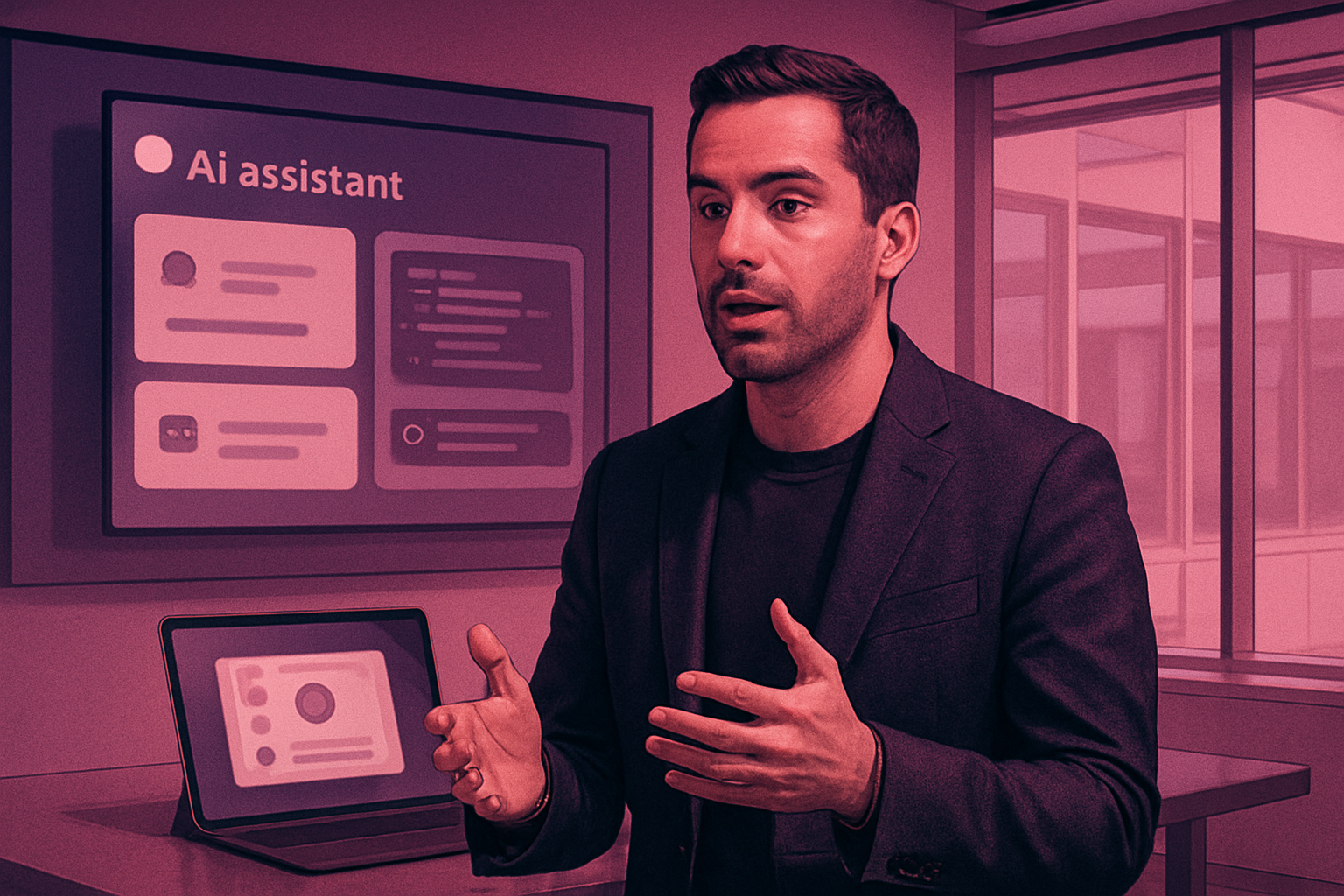
Microsoft places the "diffusion" of AI at the center of its strategy and revamps Copilot into a unified application. Jacob Andreou, head of Copilot, presents the widespread adoption of AI as an existential challenge for the company and a prerequisite for its benefits to be shared across the economy.
Copilot combines chat, collaboration, code, and "Autopilot" agent
Microsoft has recently transformed Copilot into a single application that brings together chat, collaboration, coding functions, and an autonomous agent called "Autopilot," aimed at both individuals and professionals. Jacob Andreou states that the goal is to leverage this technology for empowering people. He believes that the diffusion of AI is essential for Microsoft and that it can enable the entire economy to benefit.
"Diffusion" becomes the common thread in communications
Satya Nadella has recently weighed in on the AI debate, while Microsoft increasingly emphasizes "diffusion" in its public communications. Brad Smith believes that winning the AI race depends as much on widespread adoption as on building advanced models, and the company has published a report on the "global diffusion of AI." Jacob Andreou presents this diffusion as the main risk monitored by Microsoft, defining it as making AI widely accessible throughout the economy and questioning how to transform raw intelligence into tangible benefits for individuals, employees, and the economy.
A feared risk: concentration of value if adoption fails
Jacob Andreou expresses his concern that a failure in diffusion could lead to a centralization of value and the economy among a few companies. The debate on the long-term impact of AI is polarized: some believe that the technology could enhance productivity and create new sectors, while others warn that control over the most advanced models could allow a few companies to capture a disproportionate share of economic gains, exacerbate inequalities, and strengthen their power. Microsoft emphasizes the need to broadly share the benefits of AI.
Microsoft's business model promotes widespread adoption
Microsoft's revenue sources come from marketing cloud services, office suites, developer tools, and various professional applications, while most other AI labs focus on selling advanced models. The company benefits from extensive integration of AI in its products for both consumers and businesses.
Brief IA — L'actualité IA en français
L'essentiel de l'actualité de l'intelligence artificielle, décrypté et expliqué chaque jour.