Microsoft's Aggressive Strategy Against OpenAI and Anthropic Revealed
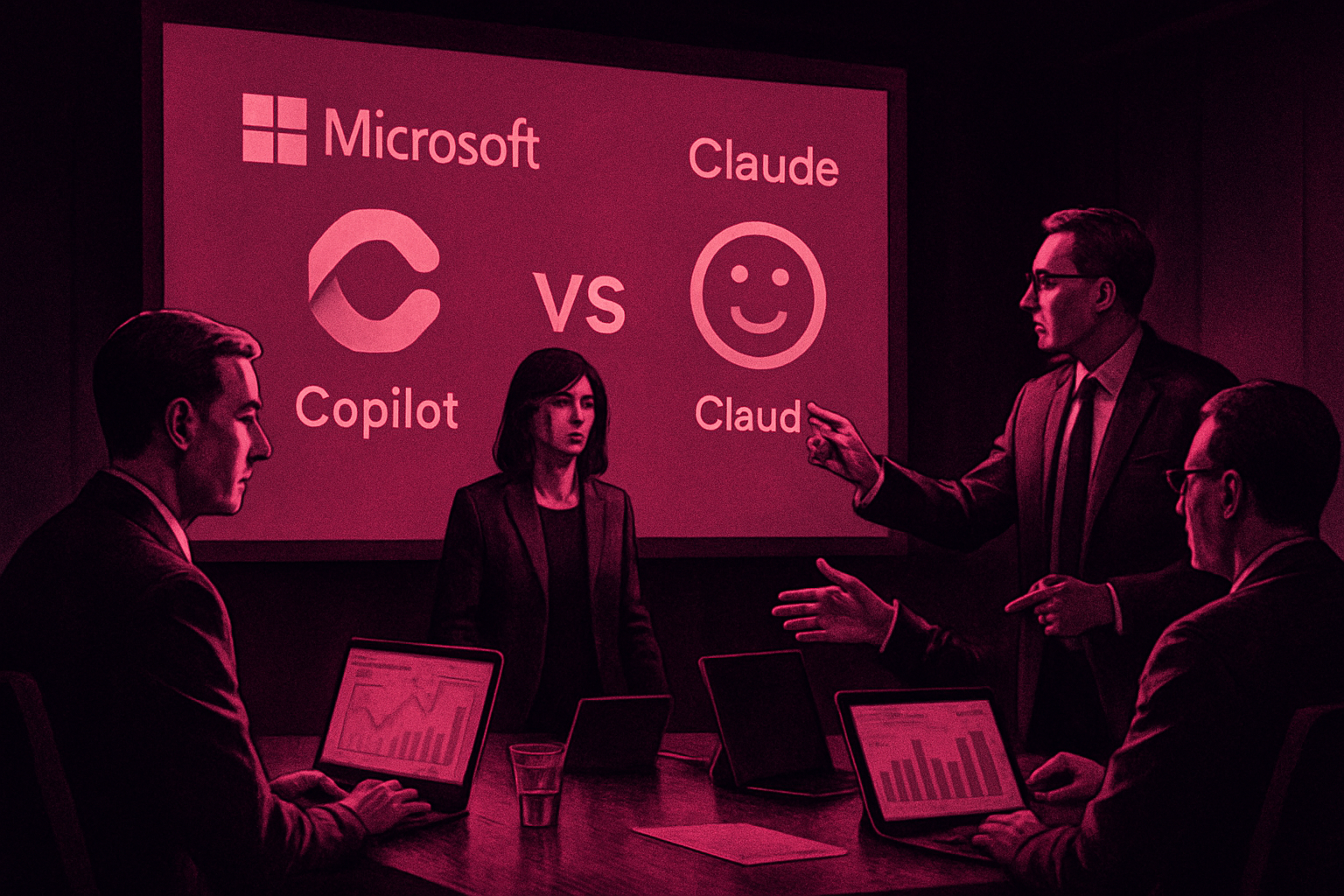
Microsoft Adjusts Its Business Strategy in Response to OpenAI and Anthropic
In the context of increased competition in the field of artificial intelligence, Microsoft appears to be reshaping its business strategy. During an internal meeting held on Tuesday, company leaders unveiled a plan aimed at enhancing the competitiveness of their sales teams against AI giants such as OpenAI, Google, and Anthropic. According to a Bloomberg report, this strategic session, intended to prepare for the new fiscal year, emphasized the perceived superiority of Microsoft's AI models in terms of efficiency and cost compared to those of its rivals.
During this meeting, Jay Parikh, Executive Vice President of Microsoft, highlighted the importance of presenting Microsoft as a provider of comprehensive solutions, unlike its competitors, whom he claimed only offer isolated components. "Everyone sells pieces — we sell the complete end-to-end system. That's the story we all need to tell in FY27," he stated, stressing the need for salespeople to promote this integrated vision.
Direct Comparison with Competitors
Jacob Andreou, another Executive Vice President, illustrated this strategy by directly comparing Microsoft's flagship product, Copilot, to Anthropic's chatbot Claude. According to information reported by Bloomberg, Andreou claimed that Anthropic's model was "slower and less accurate" when used in Microsoft’s office applications, and that it lacked adequate security integrations.
Le brief IA que les pros lisent chaque soir
Les 7 actus IA du jour, décryptées en 5 min. Gratuit.
Inclus dès l'inscription : notre sélection des meilleurs guides & comparatifs IA.
Choisis ton rythme
Gratuit · Pas de spam · Désabonnement en 1 clic
Microsoft and Anthropic were contacted by TechCrunch for comments on these claims, but no response was received by the time of publication. This aggressive approach by Microsoft is not unusual in the business world, but it is notable given the company's previous relationships with some of these competitors.
A Strategic Shift
Microsoft's current strategy fits into a broader trend. A recent report revealed that Microsoft has begun replacing OpenAI and Anthropic models in key applications like Word and Excel with its own solutions. This change has been interpreted as a cost-cutting measure.
Historically, Microsoft and OpenAI have maintained a close relationship. The two companies had signed a unique agreement allowing Microsoft to provide financial and computational resources to OpenAI while benefiting from exclusive access to its APIs and models. However, this partnership was modified last April, removing the exclusivity clause and paving the way for OpenAI to sell its technologies to other companies, including Microsoft's competitors.
Implications for Microsoft's Future
This strategic repositioning could explain the current messaging from Microsoft's sales team. The company has faced less favorable stock market prospects over the past year, with investors questioning Microsoft's heavy investments in developing its AI capabilities. By highlighting the competitiveness of its products, Microsoft is likely seeking to reassure investors and bolster confidence in its long-term strategy in the field of artificial intelligence.
Brief IA — L'actualité IA en français
L'essentiel de l'actualité de l'intelligence artificielle, décrypté et expliqué chaque jour.