Prompt Compression: Revolutionizing Language Model Costs
Le brief IA que les pros lisent chaque soir
Les 7 actus IA du jour, décryptées en 5 min. Gratuit.
Inclus dès l'inscription : notre sélection des meilleurs guides & comparatifs IA.
Choisis ton rythme
Gratuit · Pas de spam · Désabonnement en 1 clic
The emergence of large language models (LLMs) has transformed the tech sector, providing companies with the opportunity to automate complex tasks. However, this advancement comes with significant costs, particularly through agentic loops. These loops, which integrate LLMs with external applications via APIs, can generate considerable expenses for businesses.
Prompt Compression: An Economical Solution
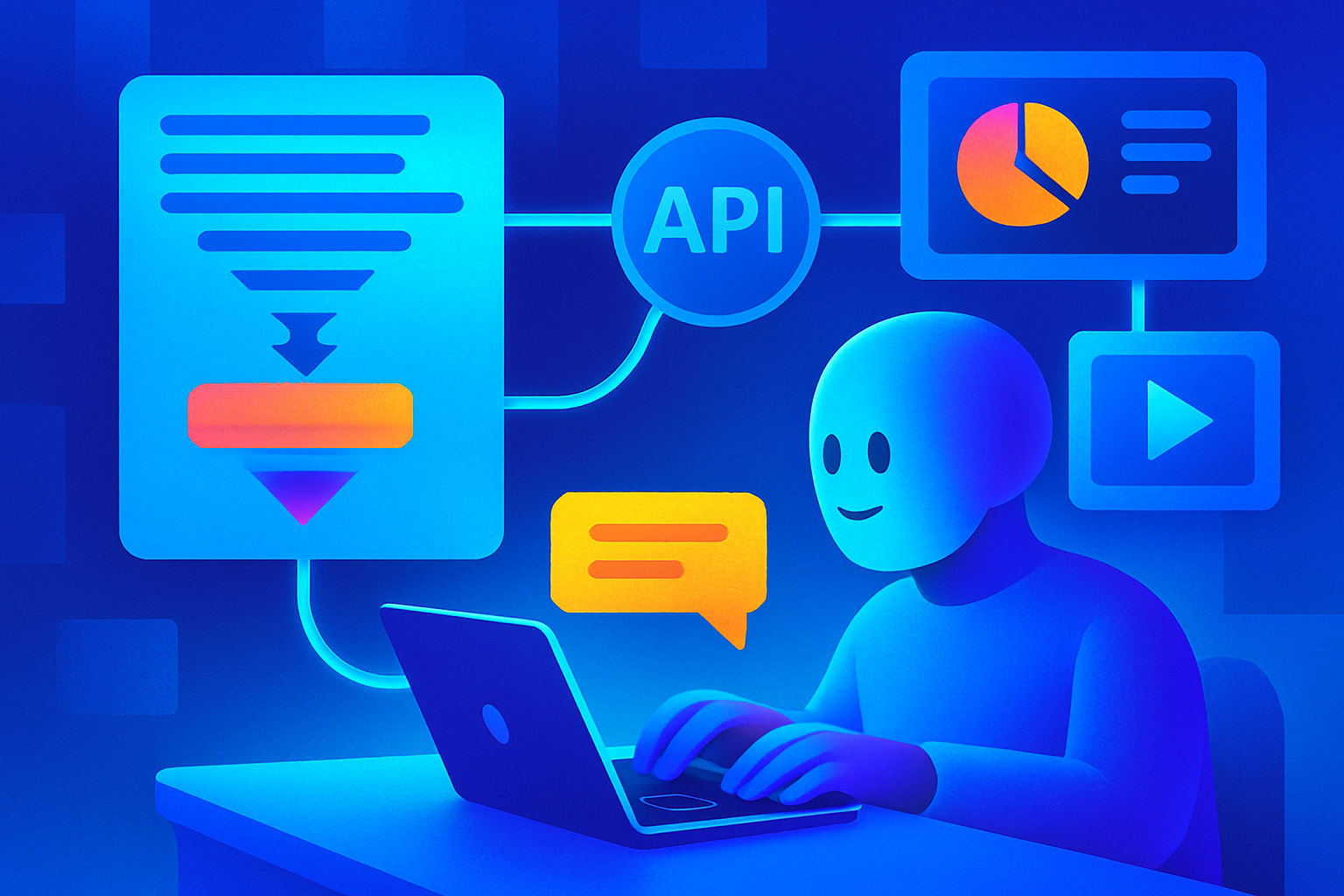
Agentic loops rely on the constant interaction between LLMs and external systems, leading to costs associated with token usage. Each request sent to an LLM consumes tokens, and costs can quickly accumulate, especially for companies processing large amounts of data. Some businesses report monthly expenses reaching several thousand euros solely for the use of these models. Prompt compression emerges as a potential solution to reduce these costs. By optimizing the formulation of requests, it allows for a decrease in the number of tokens required. Studies indicate that a reduction of 30 to 50% in token usage is feasible with well-designed prompts.
Consequences for the Tech Sector
The impact of prompt compression on the artificial intelligence sector could be significant. By reducing the costs associated with using LLMs, companies could more broadly integrate these technologies into their operations. This could also encourage the development of new AI-based applications and services, making these technologies accessible to a larger number of businesses, including SMEs. Consequently, competition in the sector could intensify, as companies that adopt these optimizations could gain a significant competitive advantage.
Reactions and Challenges Ahead
Reactions to this new approach are varied. Tech companies and AI developers welcome this initiative, viewing it as a way to make AI more affordable and sustainable. However, some experts point out that prompt compression requires technical expertise to be implemented effectively. Companies must invest in training their teams to maximize the benefits of this optimization. Furthermore, regulators may need to monitor the increased use of LLMs, particularly concerning data protection and algorithm transparency.
In summary, implementing prompt compression represents a strategic challenge for companies integrating AI into their operations. As costs associated with LLMs continue to rise, this approach could not only enhance the profitability of businesses but also transform the competitive landscape of the sector.
Brief IA — L'actualité IA en français
L'essentiel de l'actualité de l'intelligence artificielle, décrypté et expliqué chaque jour.