NASA and IBM Launch Open Source Lunar AI Model
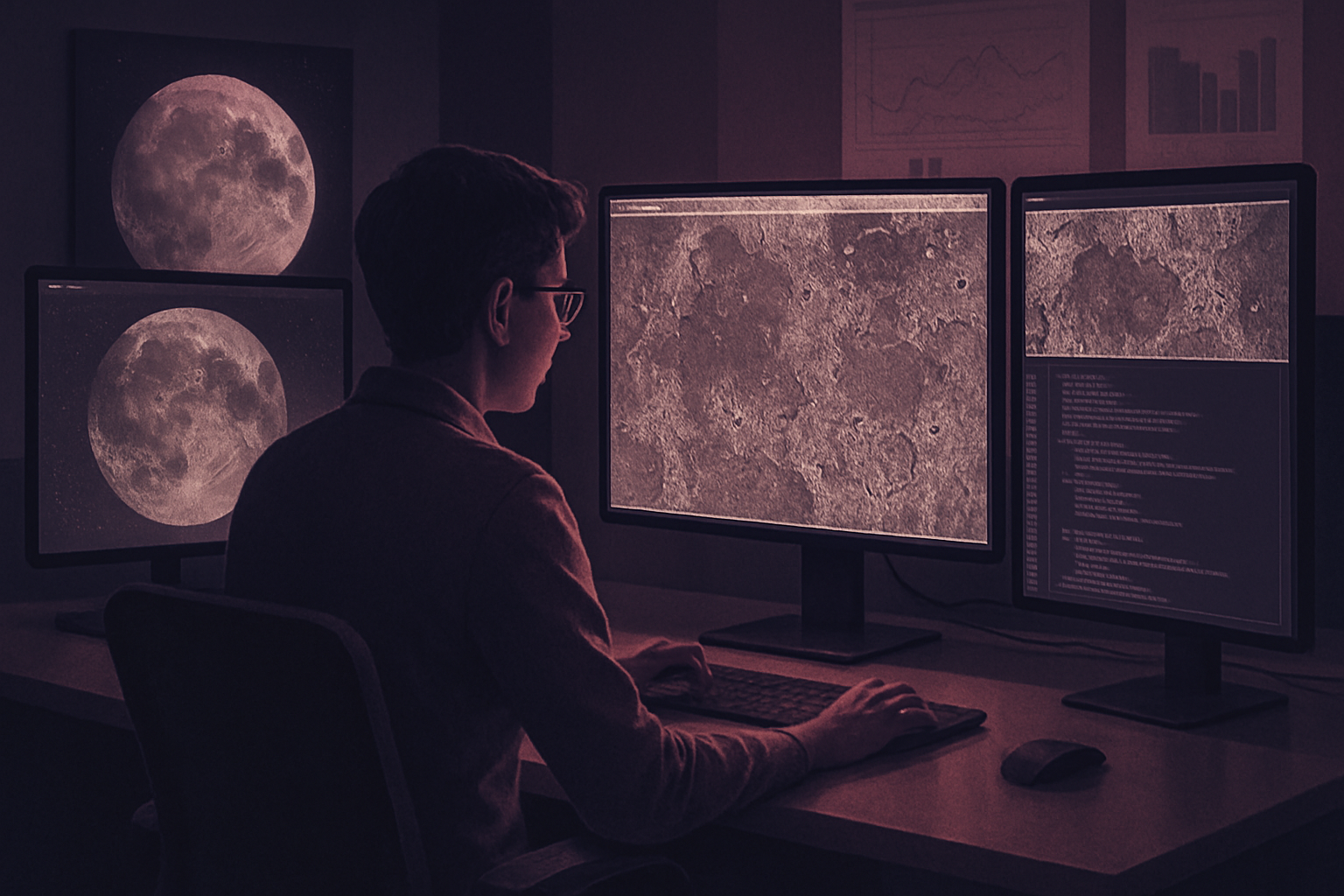
NASA and IBM have introduced an open-source foundation model trained on decades of lunar data, now available on Hugging Face. This model aims to identify patterns in lunar archives and support the preparation of future missions, while raising questions about the reliability of results in light of algorithmic biases and limitations.
Reliability Conditioned by Data and Model Refinement
Some observers point out that biases present in historical lunar data and the limitations of machine learning algorithms can influence the results produced by the model. They believe it is essential to continue evaluating and improving the model to ensure the relevance and reliability of the analyses. The coming months and years will be crucial to observe how this model will be integrated into future missions and its impact on the space sector.
Open Code and Collaboration Beyond Borders
The NASA-IBM Lunar Foundation Model is accessible on the Hugging Face platform. Its open-source nature allows the scientific community to use, improve, and adapt the model according to their needs. This openness could encourage international collaboration, with researchers from around the world likely to contribute to the model's enhancement, share data, and develop new approaches for exploring the Moon and other celestial bodies.
Le brief IA que les pros lisent chaque soir
Les 7 actus IA du jour, décryptées en 5 min. Gratuit.
Inclus dès l'inscription : notre sélection des meilleurs guides & comparatifs IA.
Choisissez votre rythme
Gratuit · Pas de spam · Désabonnement en 1 clic
Announced Capabilities and Types of Integrated Data
The result of a collaboration between NASA and IBM, the NASA-IBM Lunar Foundation Model relies on advanced data processing and machine learning methods to examine datasets related to the Moon. This model aims to identify patterns and trends in historical data, taking into account information from previous missions such as Apollo or lunar probes. The model can provide analyses on the Moon's geology, soil composition, and indications of potential resources to exploit.
Envisioned Uses for Missions and Sector Dynamics
The optimized use of historical data through this model could transform the planning and execution of future lunar missions, particularly by helping to target areas of interest, which would reduce costs and improve the efficiency of explorations. This initiative is part of a broader trend of integrating AI into the space sector, where other agencies and private companies, such as SpaceX and Blue Origin, are also exploring AI-based solutions. This evolution is likely to intensify competition in the field of space exploration. Feedback has been largely positive: experts praise the initiative, and many researchers express their enthusiasm for the possibilities offered by the model, which could also serve as a foundation for missions to other celestial objects. The model is described as a key point for the future of lunar exploration.
Brief IA — L'actualité IA en français
L'essentiel de l'actualité de l'intelligence artificielle, décrypté et expliqué chaque jour.