Intel Reinvents Itself with AI: Lip-Bu Tan at the Helm
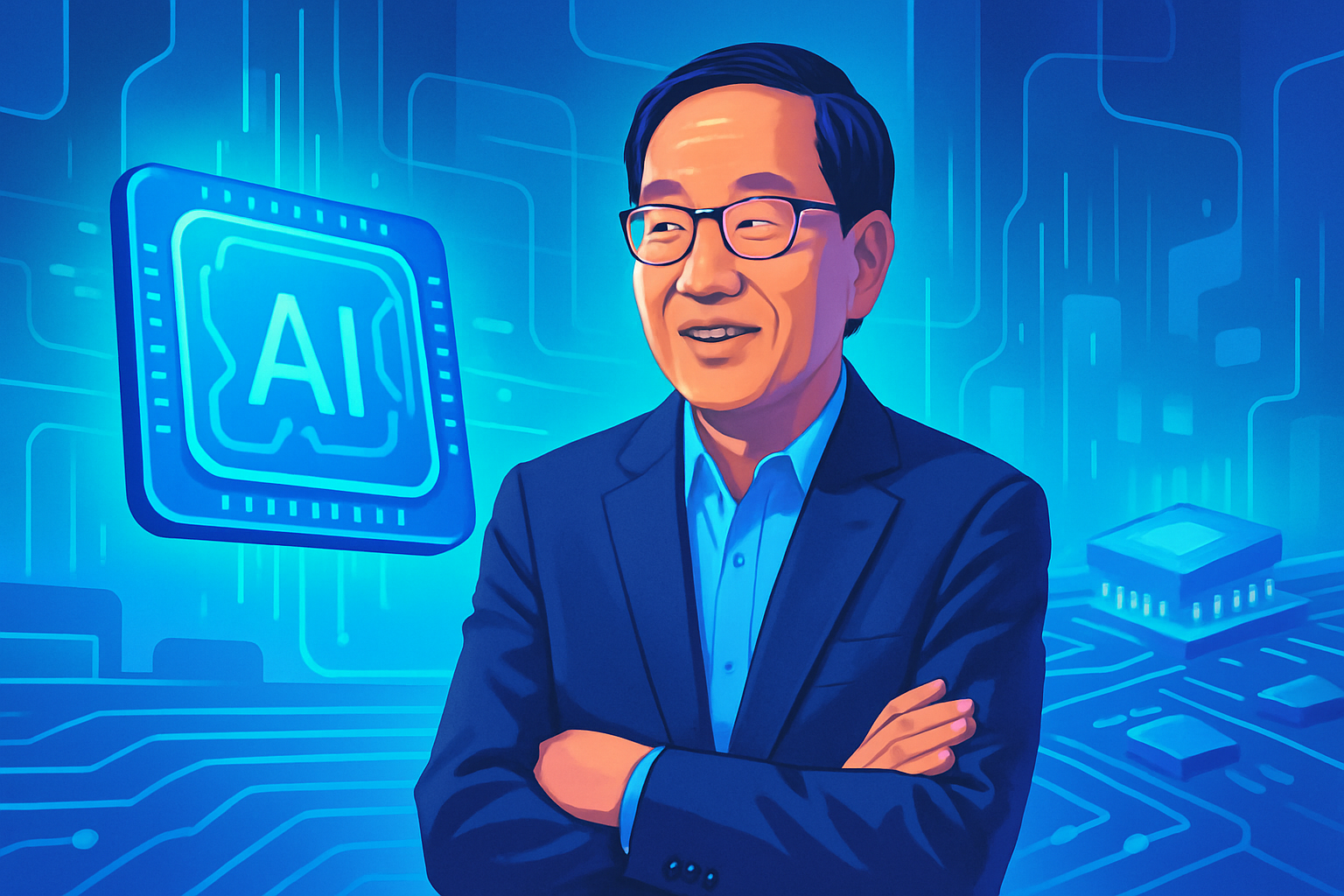
Lip-Bu Tan, the CEO of Cadence Design Systems, has recently taken the helm of a bold initiative aimed at revitalizing Intel, a struggling semiconductor giant. The semiconductor market, valued at $500 billion, is undergoing significant changes, and Intel is seeking to reclaim its leadership position by integrating inference technologies and agent-based AI into its design and manufacturing processes. This strategy could not only transform the company but also redefine the competitive dynamics in the tech industry, where players like AMD and NVIDIA continue to advance.
Technological Advances
The integration of agent-based AI into Intel's processes represents a significant advancement in chip design. This technology allows systems to learn and adapt in real-time, thereby improving the efficiency and performance of integrated circuits. Meanwhile, inference, which involves drawing conclusions from data, is essential for optimizing manufacturing processes and reducing costs. According to recent studies, the use of AI in the semiconductor sector could increase productivity by 30% by 2025, a figure that underscores the importance of this transformation for Intel.
Industry Implications
Intel's resurgence could have major repercussions for the entire semiconductor sector. If the company manages to turn its situation around, it could encourage other players to adopt similar technologies, leading to a wave of innovation in chip design. Furthermore, renewed competition between Intel, AMD, and NVIDIA could stimulate research and development, benefiting consumers with more efficient and cost-effective products. Additionally, Intel's rise could also influence supply chains and strategic partnerships within the industry.
Le brief IA que les pros lisent chaque soir
Les 7 actus IA du jour, décryptées en 5 min. Gratuit.
Inclus dès l'inscription : notre sélection des meilleurs guides & comparatifs IA.
Choisissez votre rythme
Gratuit · Pas de spam · Désabonnement en 1 clic
Reactions and Outlook
Reactions to this initiative are mixed. On one hand, investors and industry analysts are optimistic about Lip-Bu Tan's efforts, hoping that the integration of AI will allow Intel to regain its leadership position. On the other hand, some experts remain skeptical, pointing out that competition is fiercer than ever and that the path to Intel's rehabilitation will be fraught with challenges. The hurdles related to rapid innovation, customer demands, and geopolitical tensions could complicate this transformation.
The long-term outlook for Intel also depends on its ability to attract and retain talent in an increasingly competitive tech job market. The search for new engineers and AI specialists will be crucial for successfully navigating this transition.
Intel's situation is a key issue to watch in the coming months. The company's ability to reinvent itself and adapt to the new realities of the semiconductor market could influence not only its future but also that of the entire tech industry. The success of this transformation could also redefine performance and innovation standards in the sector, making this period particularly critical for the players involved.
Brief IA — L'actualité IA en français
L'essentiel de l'actualité de l'intelligence artificielle, décrypté et expliqué chaque jour.