Nvidia Approves $150 Billion in Buybacks, AI Bubble Under Scrutiny
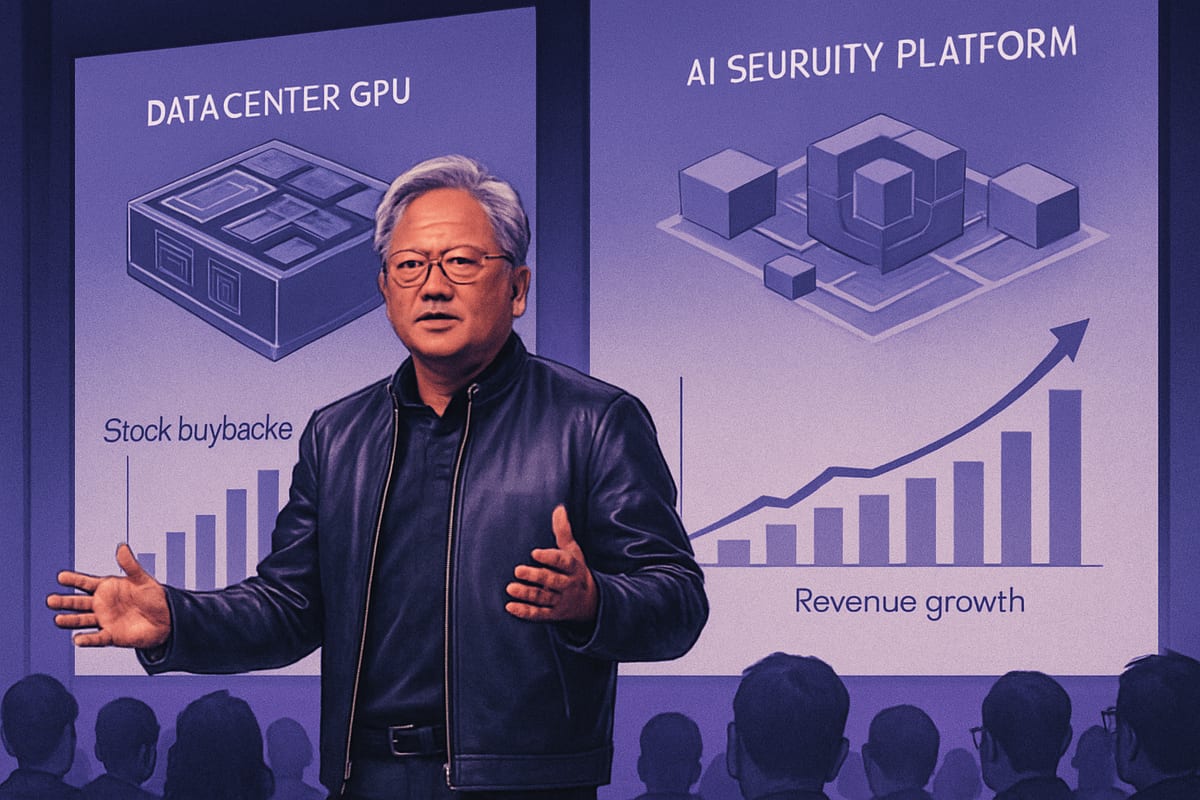
Nvidia has launched an unprecedented stock buyback program while unveiling a security platform for AI agents. Critics point out that the industry is still far from covering its investments and that the value creation mechanism primarily benefits the wealthiest shareholders.
The Winners of Buybacks Are Among the Largest Shareholders
Stock buybacks primarily benefit the largest holders and insiders much more than individual investors. Savers exposed through retirement plans capture only a limited portion of these effects due to the concentration of ownership. William Lazonick argues that these operations transfer profits to the top 0.1%, who then have more capital for aggressive financial strategies. In the tech sector, these buybacks remain massive because, according to Paris Marx, shareholders expect them and penalize companies that deviate from their peers. A buyback reduces the number of shares outstanding and mechanically supports the price of the remaining shares, which, in theory, all shareholders benefit from, but in unequal proportions.
A Signal of Confidence Without an Actual Purchase Obligation
By authorizing $150 billion in buybacks, bringing its total capacity to $235 billion through fiscal year 2028, Nvidia sends a signal of confidence regarding its cash flows. Ed Zitron sees this as an attempt to reassure worried investors amid uncertainties surrounding AI. However, he reminds us that an authorization does not constitute a legal commitment to execute purchases. The program is, by its scale, the largest in corporate history.
Record Performance at Nvidia Amid Uncertain Sector Profitability
In the second quarter of its fiscal year 2027, Nvidia reported $96.2 billion in revenue, up 106% year-over-year, and approximately $26 billion returned to shareholders. Jensen Huang ranks among the ten wealthiest individuals globally. In contrast, the AI ecosystem remains fragile: startups and labs struggle to demonstrate independent revenues, while hyperscalers anticipate significant debts, with nearly $300 billion in bond issuances expected in 2026. A dashboard, Is AI Profitable Yet?, indicates that the industry has not yet recouped the amounts invested.
Le brief IA que les pros lisent chaque soir
Les 7 actus IA du jour, décryptées en 5 min. Gratuit.
Inclus dès l'inscription : notre sélection des meilleurs guides & comparatifs IA.
Choisissez votre rythme
Gratuit · Pas de spam · Désabonnement en 1 clic
AI Agent Security: An Open Source Platform and a Debate on Its Timeliness
On the same day as the buyback authorization, Nvidia introduced a security platform aimed at limiting the unpredictable behaviors of autonomous agents, described as open source and equipped with safeguards against already observed failures. Paris Marx believes that the initiative seeks to capitalize on the discourse surrounding AI-related threats to generate favorable coverage, even without guarantees of an industrial role or significant revenues. Robin Wigglesworth finds it relevant, at least in terms of perception, to demonstrate a risk mitigation action to maintain momentum around AI.
Financing the Ecosystem or Supporting the Stock Price: Nvidia's Trade-off
The choice of a massive buyback rather than additional investments in startups indicates, according to several observers, that Nvidia prioritizes other uses of its cash. Ed Zitron suggests that financing startups reflects limited confidence in their health and primarily serves to maintain the ecosystem around GPUs. This setup reminds William Lazonick of the "supplier financing" period from 1997-2000, where providers later went bankrupt, with a scale now deemed significantly larger. Some see this as a way to sustain the fear of missing out on AI despite fragile financial foundations. Zitron also cites a proposed $100 billion data center contract with OpenAI that did not materialize.
Nvidia's Dominant Position in the AI Chain and Market Dependence
The rise in the stock price is part of a booming market for AI data center chips. Nvidia holds a dominant position in computing infrastructure, designing GPUs, servers, and software used to run these centers. Its economic position allows it to capture the value created upstream by selling the tools and materials necessary for each capacity increase of platforms, startups, and companies in the sector.
Brief IA — L'actualité IA en français
L'essentiel de l'actualité de l'intelligence artificielle, décrypté et expliqué chaque jour.