Nvidia Teams Up with SpaceXAI for Orbital AI by 2027
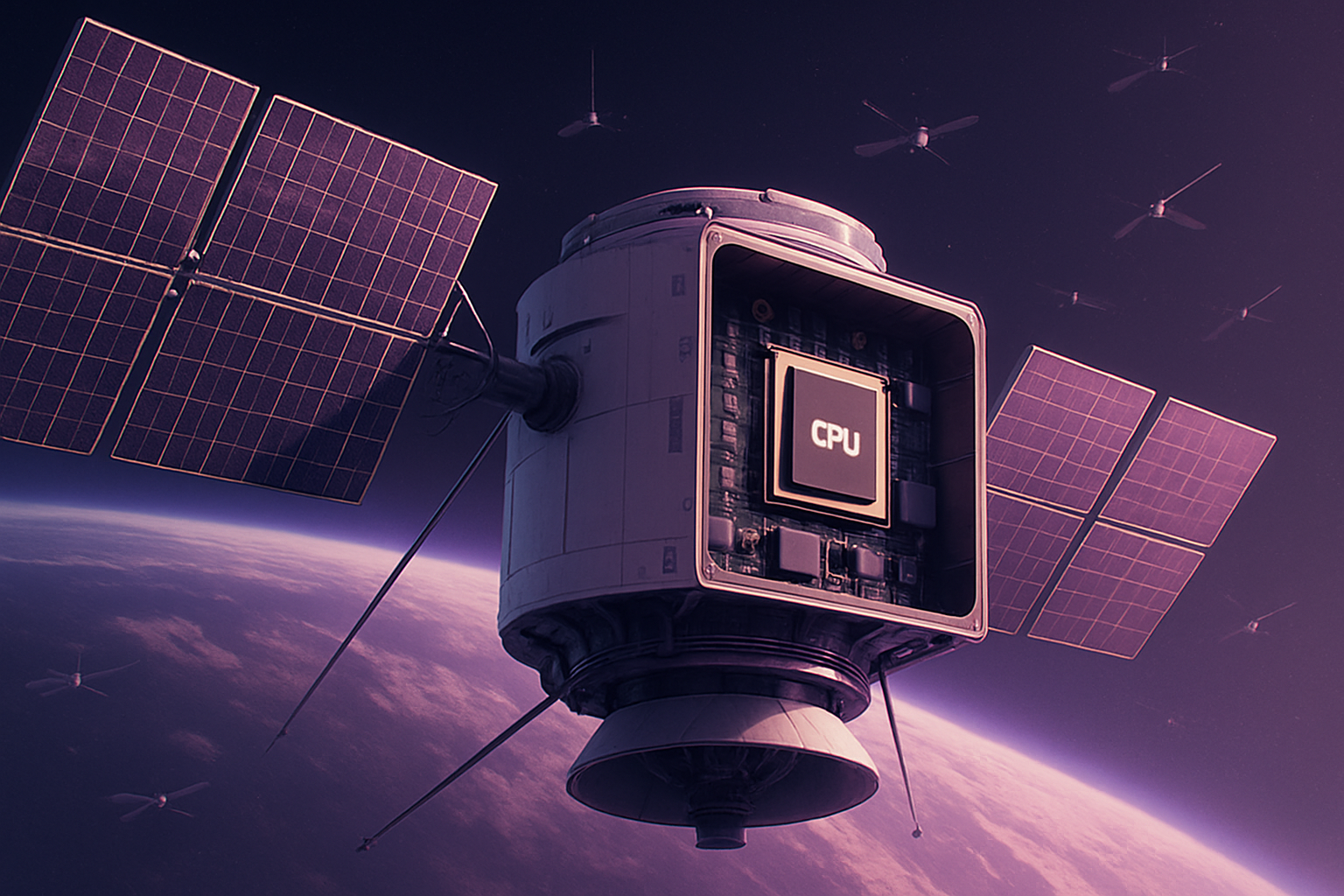
Elon Musk plans to have the first Vera Rubin NVL72 systems in orbit by the last quarter of 2027, followed by large-scale deployment in 2028. Nvidia indicates that SpaceX will use a version of its Vera Rubin platform adapted for the space environment to orchestrate AI agents. This project is part of the rise of SpaceXAI, which is already providing computing capabilities and exploring industrial avenues that include lunar factories.
Announced Timeline: First Systems by Late 2027, Scaling Up in 2028
Elon Musk aims to send Vera Rubin NVL72 systems into orbit starting in the last quarter of 2027. The stated goal is to achieve large-scale deployment as early as 2028. In preparation, he has already filed a request with the FCC to launch one million satellites, with the ambition of establishing an orbital data center.
What Nvidia Provides: A Vera Rubin Platform Adapted for Orbit
Nvidia states that SpaceX will use a space-optimized version of the Vera Rubin platform. According to the company, the Vera CPU will orchestrate AI agent tasks in orbit. This announcement was made this week. Ian Buck, vice president at Nvidia, claims that Vera provides AI agents with the necessary power to act in real-time, particularly for executing code, processing data, and coordinating complex tasks. He adds that SpaceXAI is translating this architecture, used in large AI computing centers, to orbital computing.
Le brief IA que les pros lisent chaque soir
Les 7 actus IA du jour, décryptées en 5 min. Gratuit.
Inclus dès l'inscription : notre sélection des meilleurs guides & comparatifs IA.
Choisis ton rythme
Gratuit · Pas de spam · Désabonnement en 1 clic
An Active Business Model Around SpaceXAI and Grok
SpaceX is transforming into a computing power provider for third parties, including Anthropic and Google. This activity is already presented as highly profitable for the company. Currently, operations are limited to ground-based data centers. Meanwhile, SpaceXAI, born from the merger with xAI, offers the Grok models.
Space Constraints and Industrial Options Considered
Orbital data centers could take advantage of solar energy without certain terrestrial limitations, but onboard electronics will have to contend with radiation that can disrupt calculations by flipping bits. It is likely that Nvidia will adapt its components to these conditions. Elon Musk mentions a design that is touted to be simpler, cheaper, more compact, and lighter than a traditional rack. Initially, the satellites would be produced on Earth and launched into orbit by rocket, while a later project would involve establishing robotic factories on the Moon to assemble satellites, followed by launch via a catapult. In parallel, SpaceX has launched Terrafab to develop its own AI chips. The overall aim is to eventually facilitate the processing of AI prompts directly from space.
Brief IA — L'actualité IA en français
L'essentiel de l'actualité de l'intelligence artificielle, décrypté et expliqué chaque jour.