Omen AI Acquires Aquatic Labs for $16M and Aims for 1 GW by 2027
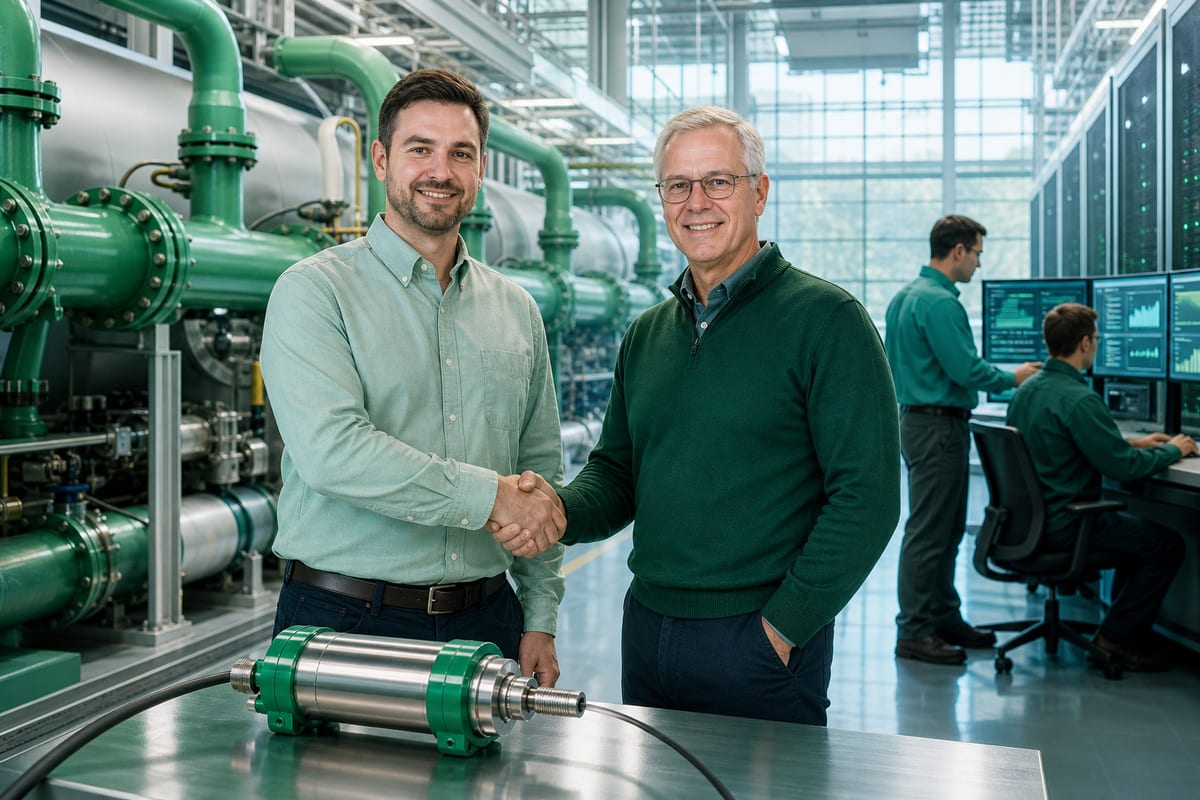
Omen AI acquires Aquatic Labs for $16 million and is preparing a unique sensor to monitor cooling fluids in real-time. The company announces deployment goals as early as this year and claims to be unaffected by the recent shift in investor attitudes towards AI infrastructure.
An Integrated Sensor in the Works with a Timeline for This Year
Allan Adams has now taken on the role of Chief Scientist at Omen AI, while teams from both companies are working to integrate their technologies into a single sensor. They aim for commercialization by early next year. By the end of the year, Omen's initial sensors are expected to monitor chips consuming between 250 and 300 MW, with a market estimated at $5 to $7 billion. The company then targets the equivalent of 1 GW of chips by the end of 2027.
Reducing Costly Downtime Through Continuous Monitoring
When the fluid system fails, data center operators most often opt for draining to avoid damaging expensive equipment. This procedure results in operational downtime until the system is restored, generating high costs. Real-time monitoring allows for prolonged use of the same fluid and reduces cleaning-related expenses.
An Acquisition to Merge Two Approaches to Water Measurement
Omen AI acquired Aquatic Labs for $16 million in a deal combining cash and stock, following an introduction between Zach Laberge and Allan Adams facilitated by an investor in the filtration sector. Both companies were developing complementary real-time water sensors, with Omen detecting elements in water and Aquatic Labs measuring alkalinity. Allan Adams asserts that integrating these technologies into a single sensor provides a richer picture of the fluid and aims to automate a previously slow and manual process.
Le brief IA que les pros lisent chaque soir
Les 7 actus IA du jour, décryptées en 5 min. Gratuit.
Inclus dès l'inscription : notre sélection des meilleurs guides & comparatifs IA.
Choisissez votre rythme
Gratuit · Pas de spam · Désabonnement en 1 clic
Crossed Paths of the Founders, from Hydraulics to the Oceanic Environment
After leaving high school, Zach Laberge founded an initial company specializing in fluid analysis for large machines used in hydraulic construction. Meanwhile, Allan Adams, a trained physicist, developed cutting-edge ocean detection technologies while he was a professor at MIT and a researcher at the Woods Hole Oceanographic Institution before launching his own company.
Funding, Product Trajectory, and Market Climate
Founded in 2024, Omen AI is developing a real-time sensor and raised $31 million in Series A funding in June. Allan Adams hopes these technologies will also have an impact beyond data centers, emphasizing the need for measurements to discharge into municipal networks as safely and responsibly as possible. AI companies had previously estimated infrastructure spending to be around $4 trillion by 2030, but some investors are expressing skepticism, with a recent drop in hyperscaler stocks. The Omen AI team claims to be little affected by this shift, as their activity occurs after the construction of sites; Zach Laberge indicates he is working on projects funded 12 months ago. In this context, the water consumption of U.S. data centers, estimated between 17 and 19 billion gallons per year and projected to triple in the next five years according to the Water Foundation, presents a costly and sensitive issue. Improving fluid monitoring, still based on laboratory shipments taking several days, is presented as a lever for reduction.
Brief IA — L'actualité IA en français
L'essentiel de l'actualité de l'intelligence artificielle, décrypté et expliqué chaque jour.