OpenAI Abandons ChatGPT Atlas, Its AI Browser, After a Failure
Le brief IA que les pros lisent chaque soir
Les 7 actus IA du jour, décryptées en 5 min. Gratuit.
Inclus dès l'inscription : notre sélection des meilleurs guides & comparatifs IA.
Choisis ton rythme
Gratuit · Pas de spam · Désabonnement en 1 clic
OpenAI Abandons ChatGPT Atlas, Its AI Browser, After a Failure
Summary
- A market already crowded
- A strategy that relied on the ChatGPT brand
- A mixed reception
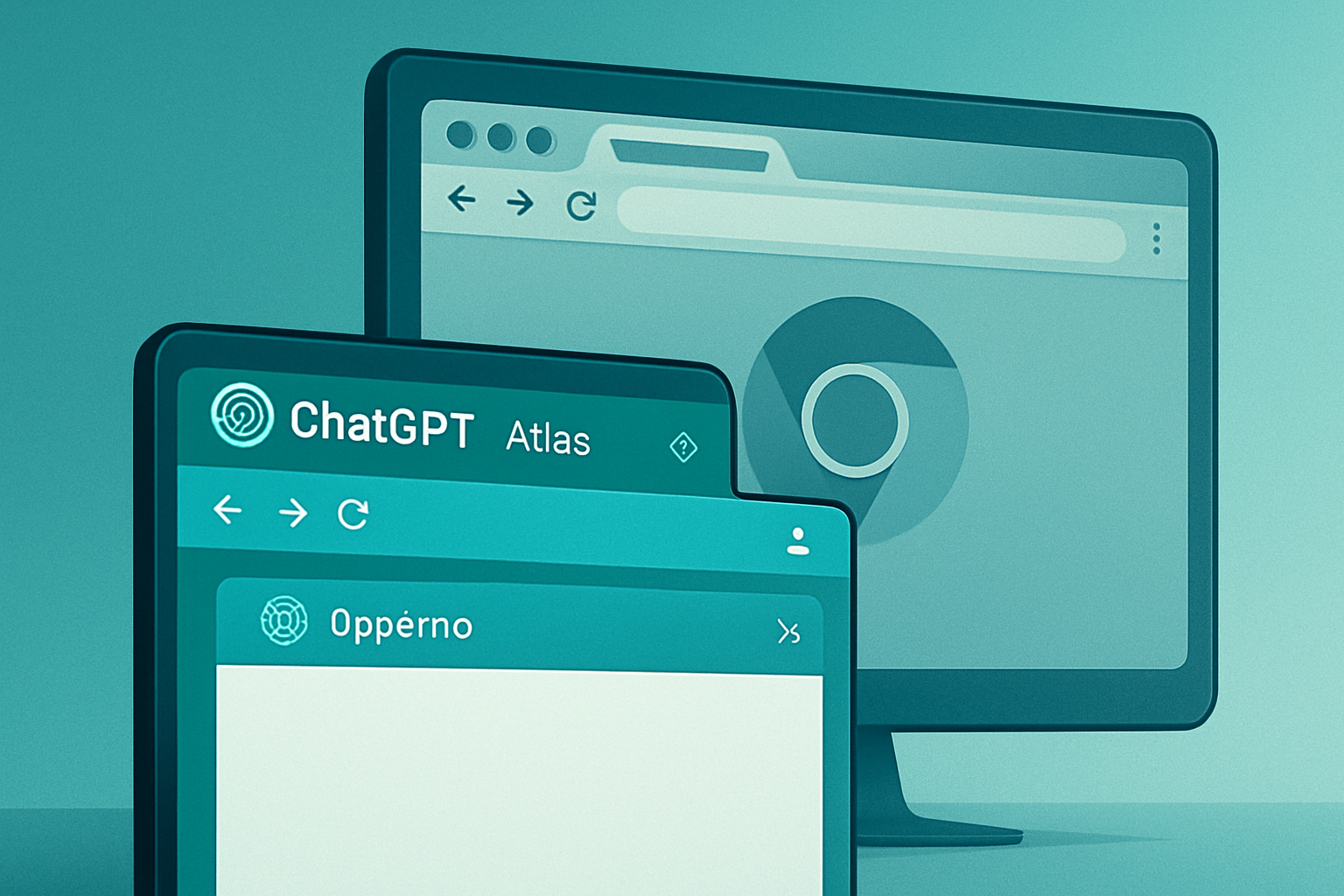
The outcome was already evident for the power users who were still following the update page, unchanged since March and resembling more of a graveyard than a changelog. On Sunday, August 9, 2026, as announced, OpenAI officially shut down its ChatGPT Atlas browser. "After this deadline, Atlas may no longer open, may not allow browsing, nor support agentic workflows," the company stated on a help page. The agentic capabilities and features will be — or are already — redistributed to other products, such as the Chrome extension and the desktop version of ChatGPT.
The death notice for the browser was slipped in early July in a few lines within the announcement revealing ChatGPT Work, the agent powered by GPT-5.6 intended to compete with Claude Cowork among professionals without coding skills. Less than a year after its grand launch during a livestream that Sam Altman himself teased on X, the AI-powered browser joins an ever-growing list of "side quests" abandoned by OpenAI, alongside the Sora model and the "adult" mode.
A Market Already Crowded
How could a product meant to reinvent the way we browse the web fade away so quickly? The causes are technological, economic, and contextual. But they all converge toward the same paradox: ChatGPT Atlas arrived too early, and too late.
AI represents a once-in-a-decade opportunity to rethink what a browser is. Tabs were nice, but there hasn't been much innovation since.
Sam Altman
CEO, OpenAI
Launched on October 21, 2025, on macOS after several months of development, ChatGPT Atlas faced the disadvantage of entering a crowded market. Microsoft was the first to strike in May 2023, integrating Bing Chat, powered by GPT-4, into its Edge browser. Opera and Brave gradually sprinkled their tools with AI-enhanced features. The Browser Company scrapped its Arc project to start anew with Dia. Perplexity just opened Comet to the public for free, barely three weeks earlier, with a nearly identical offering. And above all, Google accelerated its pace. Under pressure from all these players seeking to shake it up, the market leader tightened its update cycle on Chrome from four weeks to two. It also began integrating its Gemini chatbot, which gained capabilities over the months.
A Strategy That Relied on the ChatGPT Brand
To turn the tables and capture market share from the Mountain View firm, which then held over 73% of the global browser market, according to StatCounter, OpenAI came equipped with several advantages. The California-based company, a newcomer in this field but bolstered by several executives poached from Google, could count on a pool of 800 million weekly users, nearly unlimited capital, media clout, and, most importantly, the brand recognition of ChatGPT, which had become synonymous with artificial intelligence in the eyes of the general public.
Was this enough to embed itself more deeply into the daily lives of millions of users, capture valuable data on their browsing habits, and ultimately fuel the development of its other products? The question remained open at the time of launch, and some observers immediately expressed skepticism. "Sam Altman is very good at selling. But is he that good?" questioned Business Insider.
With all these levers, OpenAI's strategy was clear: place the conversational agent at the heart of the experience while opting for a decidedly streamlined approach that would not intimidate novices and theoretically allow for broad appeal. Innovate without disrupting, then. Based on Chromium, the browser absorbed the codes proven by its competitors, offering a standard interface with a favorites bar and a taskbar providing access to bookmarks, tabs, and settings. The homepage is reduced to a central bar where users can query ChatGPT, which splits into four tabs once the request is launched. Beyond the chatbot's response, it can also display organic results, images, and videos.
ChatGPT Atlas offers other possibilities, described as more advanced but "clumsy," according to a WIRED journalist. On each web page, it integrates a Ask ChatGPT button, which allows users to synthesize key information or obtain an explanation of a highlighted passage. Paying subscribers enjoy the privilege of accessing an Agent mode, capable of performing certain tasks autonomously, such as filling a cart, setting a reminder, or adding an event to the calendar. A Memory function finally allows ChatGPT to be more relevant than average, taking into account the user's personal context, habits, and browsing history. These features reflect OpenAI's vision, where AI gradually becomes an executor that one mandates, rather than a robot that has all the answers. "In the long run, we see ChatGPT becoming the operating system of your life," wrote Fidji Simo on Substack, the day after the launch.
A Mixed Reception
Ultimately too minimalistic and somewhat underdeveloped, the experience disappointed and earned ChatGPT Atlas lukewarm reviews in the specialized press. It was criticized for offering an interface visually very similar to Chrome — "As I switched back and forth on my computer during my tests, I often forgot which was which," joked the WIRED journalist — and, above all, for primarily promoting the chatbot rather than reinventing browsing. The application was also called out for lacking an ad blocker, VPN, and reading mode, and especially for its features deemed impractical, which at best offered only a slight efficiency gain. Many pointed out that the product felt out of step with its time, with its value struggling to emerge. In a podcast, a TechCrunch journalist summed up the general sentiment quite well, not targeting only ChatGPT Atlas: "When I tested these tools, I slowly watched the agent click on a site and perform a task I would never do in real life. For example, finding a recipe and adding all the ingredients to my Instacart cart."
Brief IA — L'actualité IA en français
L'essentiel de l'actualité de l'intelligence artificielle, décrypté et expliqué chaque jour.