OpenAI Already Advising 2028 Candidates on Their AI Speeches
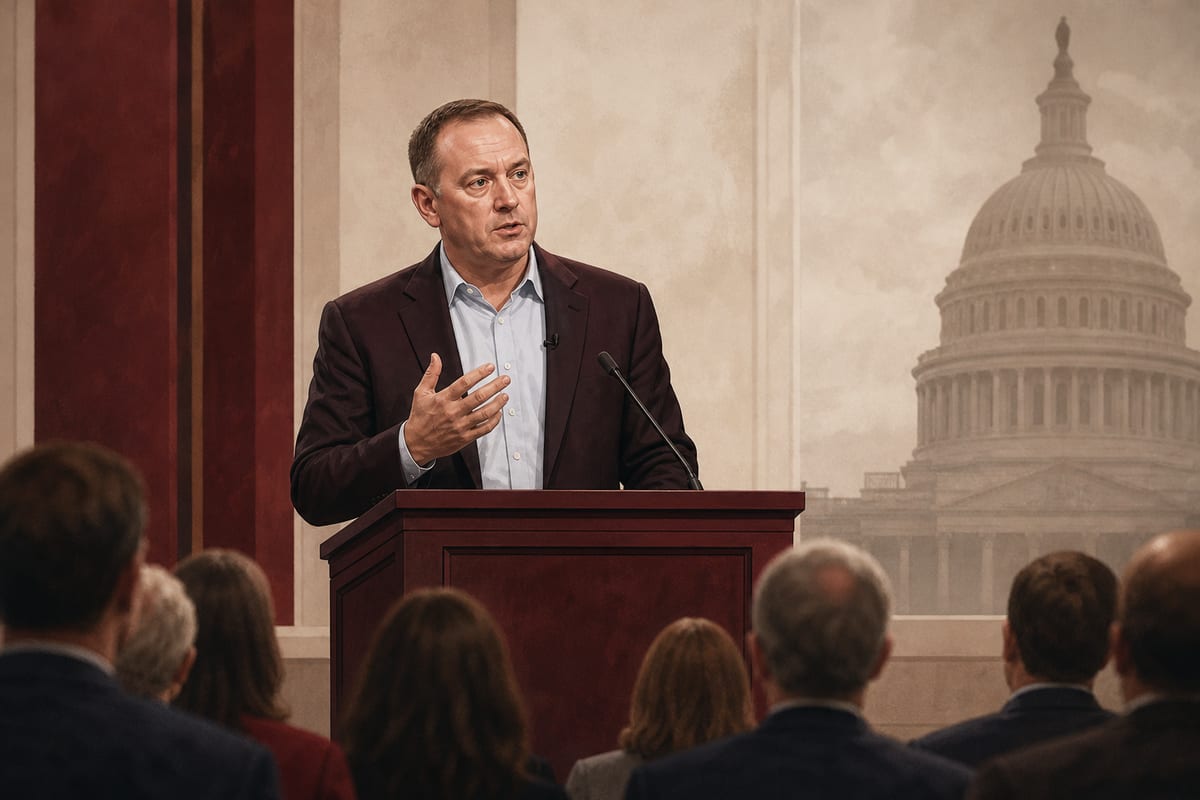
OpenAI's chief lobbyist, Chris Lehane, has circulated a memo to presidential hopefuls outlining guidelines on AI. A "third way" is advocated, a warning is issued regarding the Chinese offensive, and the debate is refocused on data centers. The shadow primary is in full swing, and campaign teams are encouraged to incorporate these themes now.
Shadow Primary and Campaign Tone: AI Takes Center Stage
With the shadow primary already underway and an expected intensification following the midterm elections, both parties will need to define their approach to AI, and the candidates selected will partly set the tone. Chris Lehane believes that successful candidates will neither promise to halt the future nor succumb to fatalism, but will explain how to shape and benefit from it. He considers that the landscape in 2028 will be different as AI capabilities advance and the public becomes more familiar with these tools. OpenAI, when approached for comment on these efforts, did not respond.
Proposed Strategic Line: A Governance Philosophy
The memo drafted by Chris Lehane urges candidates to move beyond talking points to adopt a philosophy of AI governance. It encourages them to clarify how humans will remain in control of important decisions. Lehane advocates for a middle ground between unregulated development and oversight by a self-proclaimed elite, asserting that whoever articulates a "third way" could define a new contract for the era. It is suggested to address concrete issues: adapting the tax code for the AI era, protecting children, the impact on the accessibility of daily life, and maintaining the technological edge of the United States against China.
Le brief IA que les pros lisent chaque soir
Les 7 actus IA du jour, décryptées en 5 min. Gratuit.
Inclus dès l'inscription : notre sélection des meilleurs guides & comparatifs IA.
Choisissez votre rythme
Gratuit · Pas de spam · Désabonnement en 1 clic
Infrastructure and China: Data Centers and the 2002 Vote
Chris Lehane warns that a standoff over data centers would have repercussions beyond local projects. He writes that not all centers are "good" projects and that communities should not have to accept higher electricity bills, urging decision-makers to address these issues without making infrastructure the enemy. On the international front, he asserts that a world where America leads does not resemble a world where the Chinese Communist Party sets the pace. He compares a potential loss of American AI leadership to China to a "2028 version" of the 2002 vote that authorized the war in Iraq.
Channels, Targets, and Context: A Discreet Memo for 2028
According to a source familiar with the matter, the memo was selectively shared with about six potential candidates, as well as some members of Congress and influential political figures. OpenAI's public relations representative privately informs 2028 candidates that artificial intelligence will play a structuring role in their campaigns, while warning Democrats about the political consequences of rejecting essential infrastructure. He compares the current period to the New Deal of 1932, believing that the next president will be able to reimagine the relationship between citizens and technological power. For the 2026 deadline, he considers that AI is already present, with data centers becoming a substitute for accessibility concerns, in a climate of anxiety related to the rapid pace of progress and a social contract perceived as fractured. Chris Lehane has also publicly expressed this desire to influence the discourse at the Semafor World Economy 2026 conference in Washington, DC. The previously unreported memo aims to frame the conversation as the next presidential election approaches. Additionally, POLITICO and Business Insider are part of the Axel Springer Global Reporters network.
Brief IA — L'actualité IA en français
L'essentiel de l'actualité de l'intelligence artificielle, décrypté et expliqué chaque jour.