OpenAI: Former Employee Allegedly Used Codex to Record
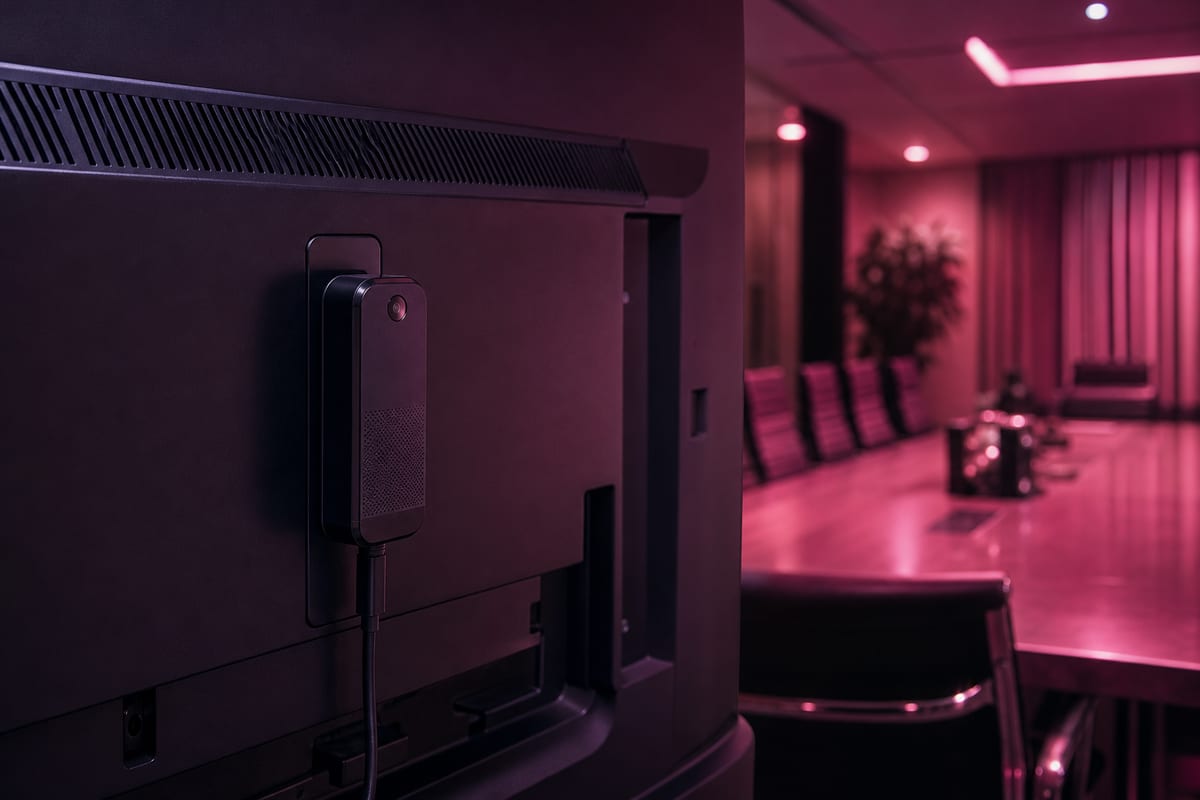
Prosecutors accuse Abdulrahman Alfozan, a Saudi engineer who previously worked at OpenAI, of soliciting Codex to facilitate covert recordings within the company. Terminated in mid-October, he has pleaded not guilty. His defense is seeking his release on a $1 million bail.
Prosecutors Detail Seized Evidence
Photographs of a document stamped "CONFIDENTIAL" were found on Alfozan's phone, prosecutors claim. OpenAI and another company had entered into a strategic partnership. Investigators also reportedly discovered dozens of recorded conversations from the company on his personal computer during September of this year. The prosecution believes that some exchanges appear to involve confidential trade secrets.
The investigation is ongoing, prosecutors indicated on Monday. At a hearing held last week, Assistant U.S. Attorney Nick Parker specified that it concerned the recording device as well as five devices seized from the couple's home. Recordings and images from OpenAI's surveillance cameras are also part of the evidence being examined.
Codex Allegedly Used to Modify a Recorder
Prosecutors argue that Alfozan used Codex to modify a recorder similar to one found hidden behind the television in a meeting room. He allegedly requested the addition of a feature capable of detecting voice.
According to prosecutors, Codex was also used to organize the covert recordings on Dropbox. Alfozan accessed the application from his wife's account. These details were presented on Monday by the prosecution in support of its request to keep him detained before trial.
Le brief IA que les pros lisent chaque soir
Les 7 actus IA du jour, décryptées en 5 min. Gratuit.
Inclus dès l'inscription : notre sélection des meilleurs guides & comparatifs IA.
Choisissez votre rythme
Gratuit · Pas de spam · Désabonnement en 1 clic
Defense Challenges Continued Detention
Arrested by the Department of Justice on October 9, Alfozan is charged with using a device intended to intercept oral communications. A first attempt at release, about a week after his arrest, was thwarted by the judge's concerns about the risk of flight. To support this risk, prosecutors cite WhatsApp messages with a member of the Saudi royal family: the engineer allegedly mentioned applying for a position at Echelon, an AI company based in Riyadh. This move would occur "after the IPO," apparently referring to the one OpenAI is considering for next year.
On Friday, David Rizk, Alfozan's attorney, filed a new request for release, along with the bail proposed by his client. He states that four friends of the engineer, all American citizens, have agreed to guarantee it. He criticizes prosecutors for not yet providing evidence to support more serious charges, including espionage or theft of trade secrets.
The departure of Alfozan's wife and child to Saudi Arabia also weighed in the detention decision. Rizk explains this by the impending expiration of his wife's student visa; their stay is extended, he claims, due to the trauma caused by an FBI intervention last month, which he describes as violent, followed by media coverage. The attorney denounces government insinuations that he deems false, portraying his client as a spy. A hearing is scheduled for Tuesday morning before Alex Tse, the magistrate who denied the initial request.
Brief IA — L'actualité IA en français
L'essentiel de l'actualité de l'intelligence artificielle, décrypté et expliqué chaque jour.