OpenAI Plans to Launch a Smartphone by Late 2027 or 2028
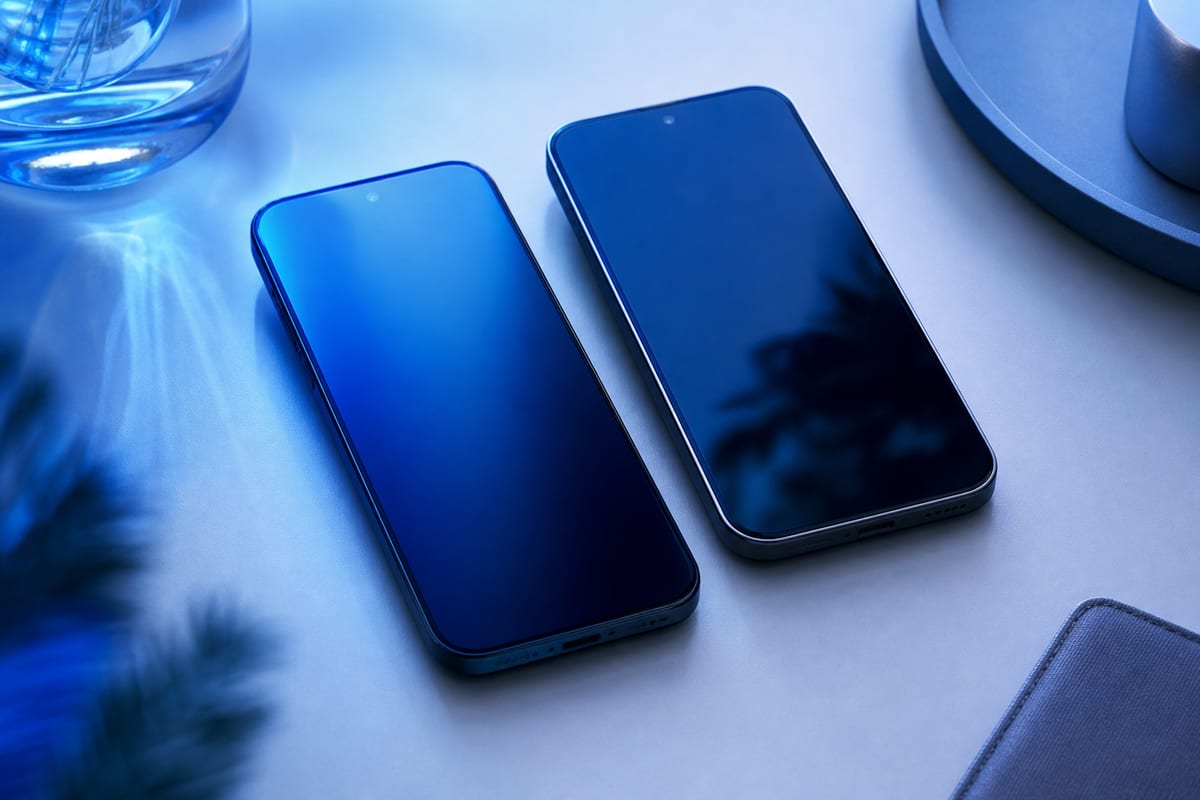
OpenAI is reportedly preparing its first smartphone, which could be launched by the end of 2027 or in 2028, according to Cailian Press. The device, which has yet to be officially announced, may prioritize agents capable of operating across multiple services. For companies that might be interested, the available information does not yet allow for an assessment of security, pricing, or integration with existing tools.
Points to Verify Before Adoption in Business
Verifications would particularly focus on the data that the AI would have access to, where it is processed, and its potential reuse for training models. It would also be necessary to distinguish between autonomous operations and those subject to validation, while maintaining control over payments, files, and account changes.
The administration of the phone would constitute another point of control: compatibility with fleet management tools, remote wiping, access restrictions, and separation between personal and professional uses. IT teams should be able to review the actions of the AI and investigate suspicious access. It should also be checked whether the AI functions require a subscription or additional fees compared to ChatGPT offerings, especially for advanced agents, cloud processing, or APIs.
The availability of software could also hinder adoption: a technician may need to consult an intervention, scan a part, and then send their report. An absent tool or one limited to a web version could then necessitate two devices. A trial should also simulate a network interruption while modifying a ticket and verify that the employee can identify the saved data and then complete it manually. A new attempt could otherwise create a duplicate or leave outdated information for the next technician.
Le brief IA que les pros lisent chaque soir
Les 7 actus IA du jour, décryptées en 5 min. Gratuit.
Inclus dès l'inscription : notre sélection des meilleurs guides & comparatifs IA.
Choisissez votre rythme
Gratuit · Pas de spam · Désabonnement en 1 clic
Agents Could Perform Operations
Agents could leverage the system's functions and the necessary information to carry out operations without requiring the user to switch from one application to another.
No system choice has been established. Android and GrapheneOS are possibilities, as well as a proprietary system for the device, which remains a hypothesis rather than an announced project.
This latter path could offer greater control over the relationships between the AI and the hardware, permissions, and the execution of operations. However, it would require time, resources, and developer support. Security and application compatibility would also be among the challenges to address.
A MediaTek Chip and Two NPUs Mentioned
Analyst Ming-Chi Kuo mentions a MediaTek Dimensity 9600 chip suitable for the project, which could be manufactured using TSMC's 2 nm process. The configuration he describes would combine LPDDR6 memory, UFS 5.0 storage, and two neural processing units, or NPUs, dedicated to AI.
The precise photographic features remain unknown. However, the camera could also be used to detect and interpret the environment, providing visual context for the AI's responses and the operations it would perform. OpenAI has also recruited Jony Ive, former head of design at Apple, for this project.
Production Aiming for the First Half of 2027
FIH Mobile, a subsidiary of Foxconn, is said to have secured an order to assemble the device, according to information published on November 19 by the Securities Times. The name of the phone is not known.
Android Police mentions a possible production launch in 2027. Abhishek Yadav specifies on X that the target would be the first half of 2027.
Abhishek Yadav also attributes to OpenAI a goal of 30 million devices between 2027 and 2028. Android Police reports that OpenAI had previously expressed the ambition to sell more phones than Samsung, without specifying whether this referred to cumulative sales or annual shipments. For comparison, Canalys estimates that Samsung shipped 60.5 million smartphones in the first quarter of 2025.
Brief IA — L'actualité IA en français
L'essentiel de l'actualité de l'intelligence artificielle, décrypté et expliqué chaque jour.