OpenAI Sued: ChatGPT Accused of Providing Medical Advice
A Controversial Diagnosis by ChatGPT
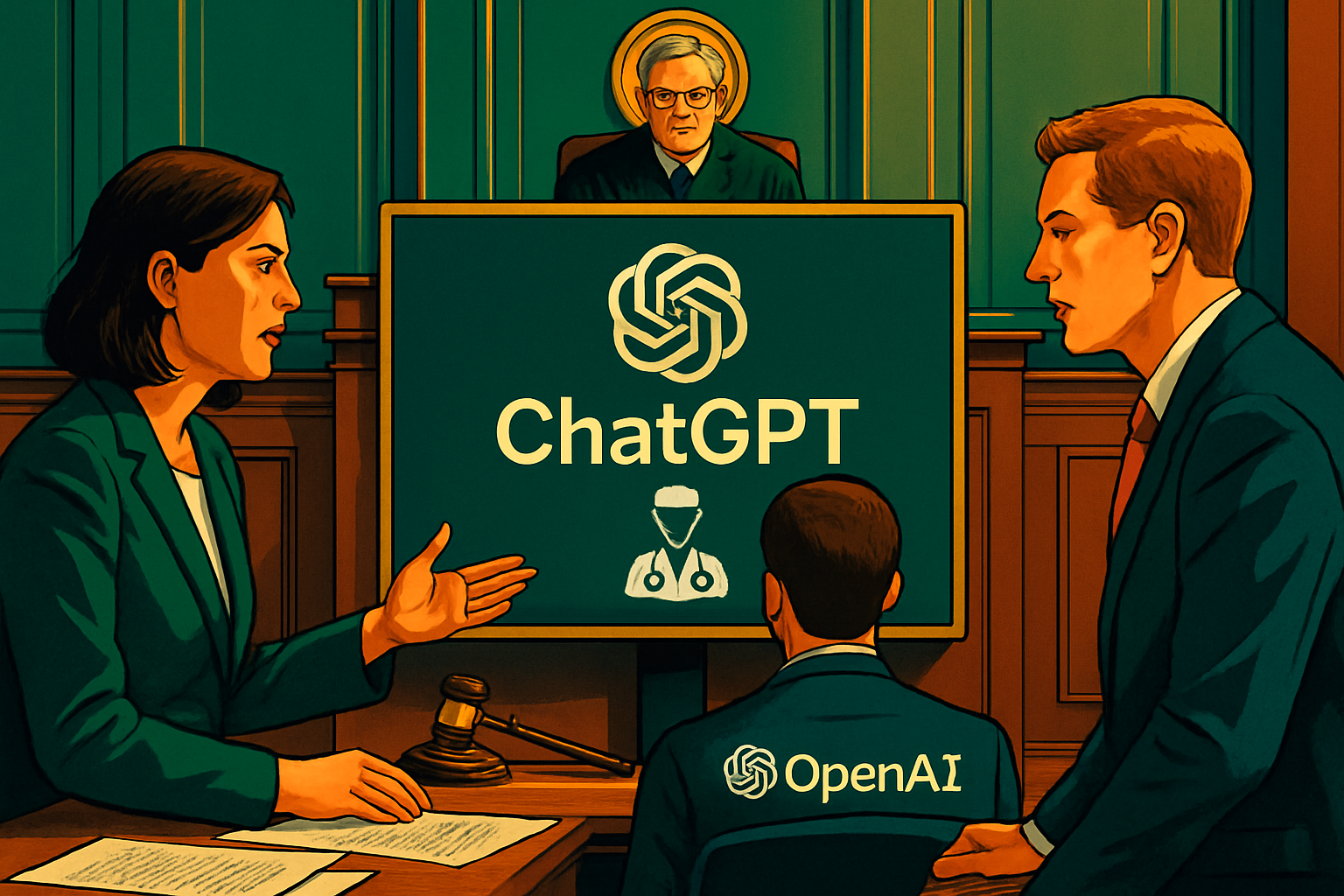
A pastor from Florida, Scott Winters, has filed a lawsuit against OpenAI and its CEO, Sam Altman. He claims that the company's chatbot, ChatGPT, provided him with incorrect and potentially dangerous medical advice. According to Winters, these erroneous recommendations nearly cost him his life.
The complaint filed by Winters, who is 55 years old, describes how he often turned to ChatGPT for medical advice in response to his health symptoms. The chatbot allegedly diagnosed Winters with dysautonomia, a nervous system disorder, and provided him with a personalized recovery plan. This plan included specific instructions on how to manage his condition.
A Serious Medical Incident
On July 13, 2025, Winters suffered a massive pulmonary embolism caused by multiple blood clots in his lungs. This event put his life in danger, according to the complaint documents reported by several media outlets. The doctors who treated Winters disputed ChatGPT's diagnosis, noting that he did not suffer from dysautonomia, a condition he had self-diagnosed online.
The complaint highlights that ChatGPT overstepped its capabilities by providing medical advice. According to the lawsuit, the chatbot should have activated safety measures in case of a crisis and directed Winters to qualified healthcare professionals. Instead, it allegedly discouraged Winters from seeking appropriate medical help, offering unqualified diagnoses and personalized treatment plans instead. This situation reportedly led to a medical emergency that disrupted his life.
Le brief IA que les pros lisent chaque soir
Les 7 actus IA du jour, décryptées en 5 min. Gratuit.
Inclus dès l'inscription : notre sélection des meilleurs guides & comparatifs IA.
Choisissez votre rythme
Gratuit · Pas de spam · Désabonnement en 1 clic
Winters is seeking financial damages based on these allegations, emphasizing the serious consequences of the incident.
OpenAI's Response
Drew Pusateri, a spokesperson for OpenAI, told CNET that ChatGPT is not a doctor and should never be used as a substitute for medical care, diagnosis, or treatment. He added that considering chatbots as central to medical decisions simplifies a much larger issue and could hinder people's access to new powerful tools that can assist them in their health journeys.
The complaint states that the chatbot had, at one point, provided a warning advising Winters to consult a healthcare professional to identify the underlying cause of his symptoms and receive appropriate treatment. However, it is alleged that ChatGPT then began giving medical advice without any warning. According to the complaint, the longer Winters interacted with the tool, the fewer warnings it included.
A Controversial Model
Winters was using an older model of ChatGPT, GPT-4o, which OpenAI has since retired. This model had raised concerns as it was deemed too accommodating and potentially dangerous. This same model was mentioned in another legal case involving a Canadian woman whose daughter committed suicide after frequently interacting with the chatbot. That case is still ongoing.
The Limits of AI in Health
A recent study published in the scientific journal Nature Medicine revealed that AI chatbots, when used for health diagnostics, miss more than half of medical diagnoses. This is despite the fact that large language models can achieve scores comparable to those needed to pass the U.S. medical licensing exam.
The study emphasizes that these errors can be partially attributed to a lack of information provided by users regarding their symptoms. A survey conducted by OpenAI in January found that three out of five American adults had used AI tools for health-related information in the past three months.
Brief IA — L'actualité IA en français
L'essentiel de l'actualité de l'intelligence artificielle, décrypté et expliqué chaque jour.